Trump announces three-day Russia-Ukraine ceasefire, 1,000-for-1,000 prisoner swap tied to Victory Day
Former President Donald Trump announced a three-day ceasefire between Russia and Ukraine from May 9–11, 2026, tied to Russia’s Victory Day, including a reciprocal prisoner exchange of 1,000 detainees from each side, confirmed by both leaders.
Key takeaways
- Ceasefire dates: May 9–11, 2026, to coincide with Russia’s Victory Day.
- Terms: Suspension of “all kinetic activity” and a prisoner exchange of 1,000 detainees from each side.
- Announced: By former President Donald Trump on Truth Social; confirmed by President Volodymyr Zelenskyy on X.
- Russia’s stance: Moscow said it ceased combat operations and would remain at previously occupied positions when its unilateral pause began.
What Trump announced
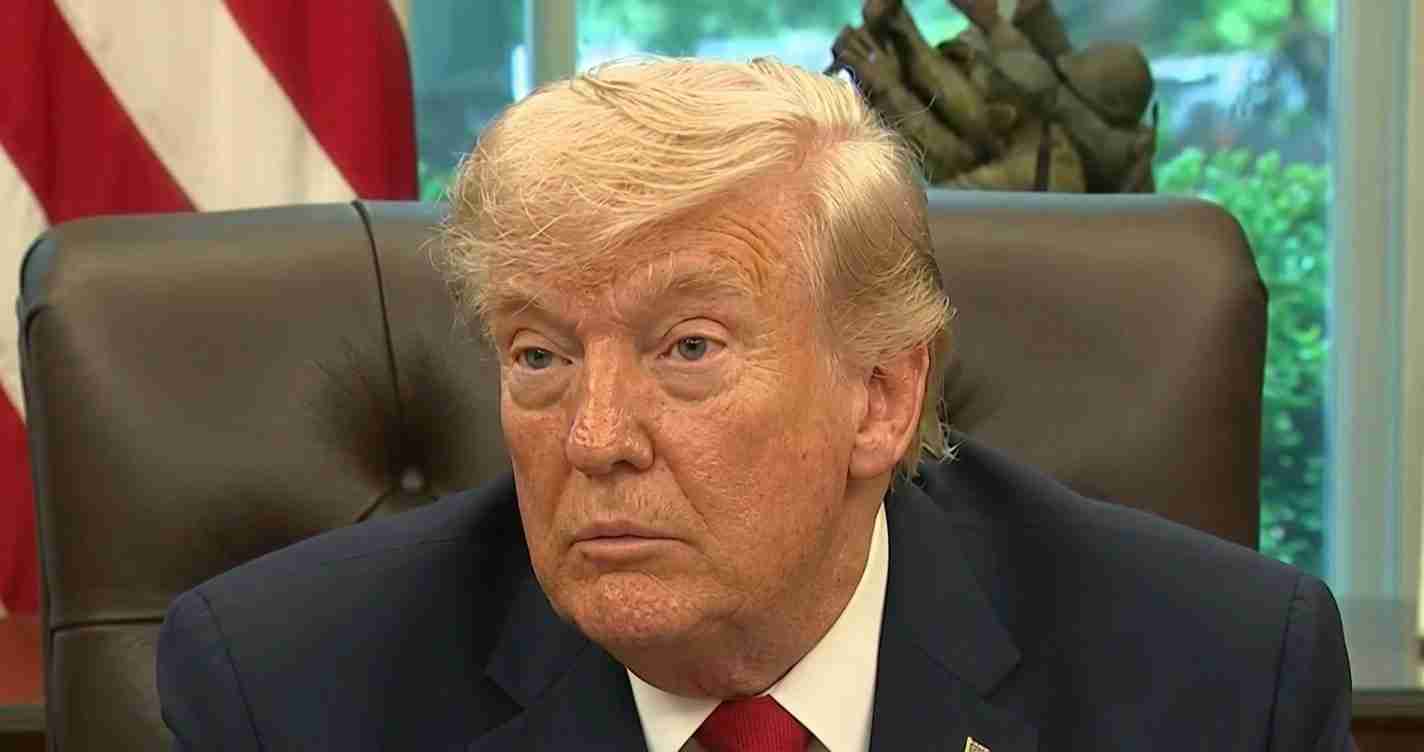
On Truth Social, Trump wrote that he had personally asked both leaders for a temporary halt in fighting and that both President Vladimir Putin and President Volodymyr Zelenskyy had agreed. The pause would run from Saturday through Monday and include a suspension of “all kinetic activity” and a prisoner swap of 1,000 people from each country.
“Hopefully, it is the beginning of the end of a very long, deadly, and hard-fought war,” Trump wrote, saying his team had been mediating talks and that both sides were “getting closer and closer every day.”
Ukrainian confirmation and conditions
President Volodymyr Zelenskyy confirmed the deal on X, saying the exchange had been reached “within the framework of the negotiating process mediated by the American side”. He said Ukraine had Russia’s agreement for a 1,000-for-1,000 swap and that a ceasefire regime would be established on May 9, 10 and 11. Zelenskyy instructed officials to prepare to carry out the exchange, thanked Trump for his role, and asked the United States to help ensure Moscow follows through.
Russia’s position and Victory Day context
Victory Day is one of Russia’s most important national holidays, marking the Soviet Union’s defeat of Nazi Germany. This year’s celebrations were scaled back amid the conflict, and officials said the traditional parade would not feature tanks, missiles or heavy equipment for the first time in decades.
The Russian Defense Ministry said Moscow ceased combat operations and would remain at its “previously occupied lines and positions” from midnight when a unilateral pause announced by President Putin took effect, framing the move as a limited pause tied to the holiday.
Historical context of the war
The full-scale invasion began four years ago and was expected to be swift; instead it became a protracted, costly war as Ukrainian forces resisted. The conflict has seen heavy fighting, shifting front lines, and repeated, often short-lived, ceasefires and prisoner swaps. Both sides have accused the other of violating pauses, and analysts warn that distrust and unclear verification mechanisms make ceasefires fragile.
Verification and trust issues
A central question is how the ceasefire and prisoner exchange will be monitored and enforced. Past agreements collapsed after mutual accusations of attacks. Ukraine’s growing use of drones, including strikes inside Russia at times, complicates pauses.
Zelenskyy appealed to the United States to help guarantee Russia’s compliance, stressing the need for a credible monitoring mechanism. As of this report, Trump and U.S. officials have not published detailed verification, transport, or timing arrangements beyond the dates and the 1,000-for-1,000 framework.
Diplomatic significance
If implemented, a three-day pause and large reciprocal prisoner exchange would be a rare, tangible step to reduce immediate human suffering. Trump framed the move as progress toward ending the war, and observers say such gestures can build limited trust but rarely resolve deeper territorial and political disputes.
The agreement also places the United States in a visible mediator role — a position that could bring diplomatic credit if the exchange proceeds but also raises scrutiny about how Washington will verify compliance and respond to potential violations.
Implications for Fresno, California
Economic impact
Local economies such as Fresno’s are tied to global markets for energy, grain and fertilizer. Any de-escalation that reduces uncertainty could ease commodity price swings, benefiting Fresno farmers and food producers with steadier input costs and shipping rates. Conversely, if the ceasefire collapses, renewed volatility could raise costs for businesses and consumers.
Political consequences
The announcement places U.S. foreign policy at the center of local debate. Fresno voters may weigh active U.S. mediation’s potential to reduce conflict against concerns about credibility and enforcement. Local officials could face questions on national security, humanitarian priorities, and federal spending for aid to Ukraine.
Social effects
Fresno’s diverse population includes families connected to Eastern Europe. Any prisoner returns or de-escalation may be welcomed by residents with ties to the region. Community organizations offering immigrant and refugee support could see increased demand if repatriations or safer humanitarian access materialize.
Cultural relevance
Victory Day and World War II memory mean different things across communities. A pause tied to that holiday may prompt local commemorations, discussions about history, peace and reconciliation, and programming by media, schools and cultural groups.
Practical applications for residents
- Travel and safety: Short pause unlikely to change advisories immediately; families should follow consular guidance.
- Humanitarian aid: Charities and resettlement groups may see renewed calls for assistance if the pause enables repatriations or humanitarian flights.
- Local businesses: Agribusinesses and exporters should monitor commodity and shipping markets for short-term price shifts affecting contracts and input costs.
Sources and statements
- Truth Social — Trump’s announcement (platform)
- X — Zelenskyy’s confirmation (platform)
- Russian Defense Ministry — official statements
- Kremlin briefings — Victory Day and holiday plans
Reporting note
This article is based on statements posted by President Trump on Truth Social, confirmation from President Zelenskyy on X, and public statements from the Russian Defense Ministry. Further verification and monitoring of the deal’s implementation are ongoing as U.S. and Ukrainian teams prepare logistics and observers watch whether combat activity remains suspended.