
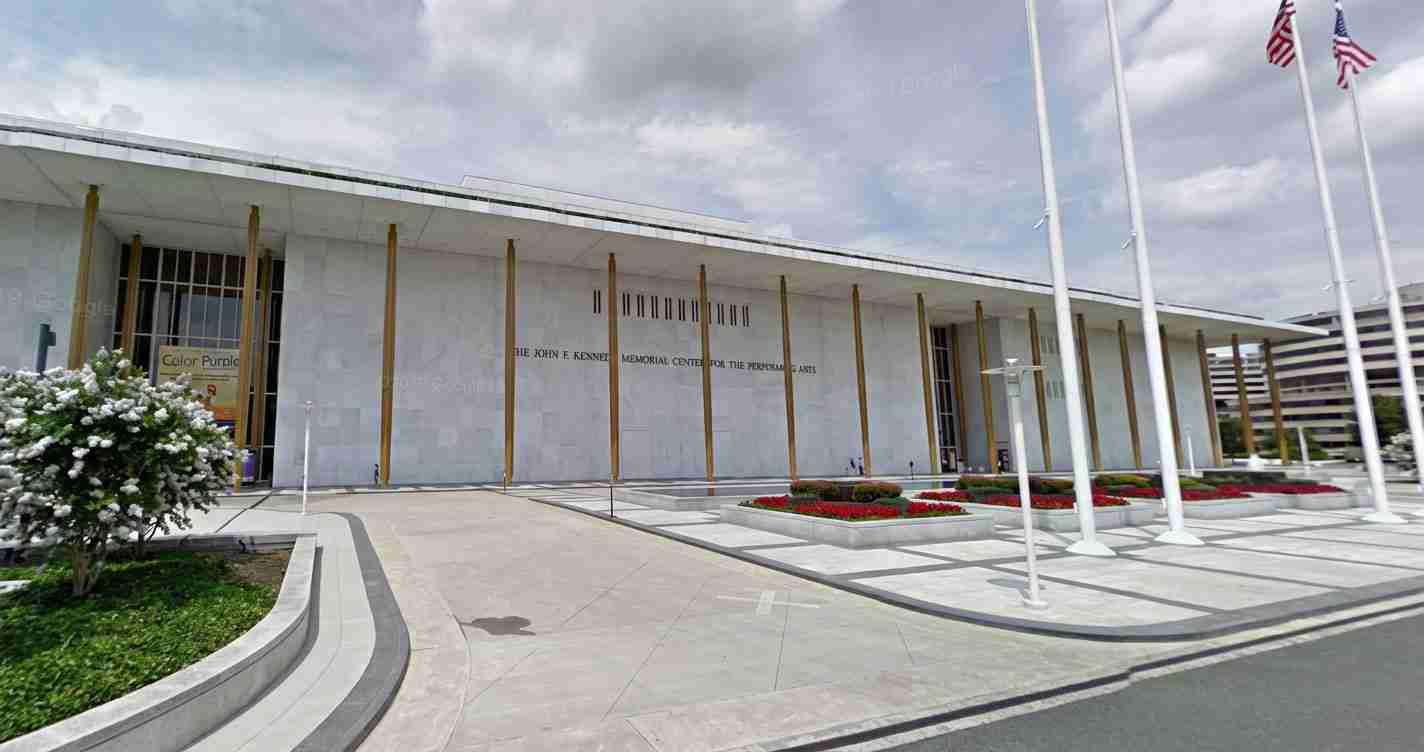
Federal judge orders Trump name removed from Kennedy Center, saying only Congress can rename the memorial
A federal judge in Washington, D.C., ordered President Donald Trump’s name removed from the John F. Kennedy Center for the Performing Arts, finding the Kennedy Center board exceeded its authority and that only Congress may formally rename the Congress-created memorial.
- Key takeaway: The court held the Kennedy Center’s statute fixes its name; only Congress can authorize a name change (Fox News; ABC7).
- What’s required: Removal of all physical signage and elimination of official references to a “Trump‑Kennedy Center” (ABC7).
- Litigation: The suit was filed by Rep. Joyce Beatty, D‑Ohio; the Kennedy Center board voted unanimously in December to add Trump’s name and plans to appeal (Fox News).
What the judge said and the legal basis
U.S. District Judge Christopher Cooper, appointed by former President Barack Obama, found the Kennedy Center board lacked the legal authority to change the building’s formal name. Cooper wrote that the center’s organic statute “makes crystal clear that the Center is to be named for President Kennedy, and it cannot bear any other formal name or public memorial based on the Board’s unilateral say‑so.” (Fox News; ABC7).
Cooper’s ruling rests on the premise that the Kennedy Center is a Congress-created memorial. Because Congress originally chose the name, any formal renaming similarly must come from Congress — a legal interpretation that anchors the court’s order and frames the dispute over naming authority.
Impact of the order: signs and branding
The court ordered removal of all physical signage bearing the Trump name and the elimination of any official references to a “Trump‑Kennedy Center” in government materials and branding. This affects plaques, exterior signs, digital listings, and printed materials updated since the board’s December vote. (ABC7).
“The Center is to be named for President Kennedy, and it cannot bear any other formal name” — Judge Christopher Cooper.
Board response and planned appeal
Roma Daravi, vice president of public relations for the Trump Kennedy Center, said the board will appeal Cooper’s decision and emphasized the need for urgent restoration funded by recently secured federal dollars. Daravi stated:
“We will review the decision carefully though the reality remains the Center requires an urgent and significant restoration — a truth that even the plaintiff acknowledges. With $257 million secured by President Trump and approved by Congress, the resources are in place and we remain committed to pursuing every lawful avenue to ensure the Trump Kennedy Center is restored as a national cultural landmark for all Americans to enjoy.” (Fox News).
The Trump reaction
Former President Trump used Truth Social to criticize both the ruling and Judge Cooper, writing that he had taken pride in “taking over a losing Institution” and accused “Judge Cooper and the Radical Left” of preferring to see the center “DIE” rather than accept his proposed transformation. (Fox News).
How the dispute began
The controversy stems from a December vote in which the Kennedy Center Board of Trustees unanimously agreed to add President Trump’s name to the center’s title. Critics immediately challenged the action, arguing the board lacked authority given the center’s statutory status as a memorial to John F. Kennedy.
U.S. Rep. Joyce Beatty (D‑Ohio) brought the legal challenge, asserting the board exceeded its powers and that the statute establishing the Kennedy Center fixes the name for the memorial. (Fox News; ABC7).
Funding and repairs
The Trump administration secured $257 million from Congress for Kennedy Center repairs and deferred maintenance under the One Big Beautiful Bill Act. The funding is intended for maintenance, repairs, security, and capital projects tied to the building and site.
Supporters argue the funds will help restore the center as a national arts landmark; critics counter that a name change does not alter governance or address longstanding operational problems. (Fox News).
Other legal action and proceedings
Judge Cooper previously denied a preservation group’s request for a preliminary injunction to block a planned two‑year closure for rehabilitation, allowing the scheduled closure and renovation to proceed while legal battles continue. (ABC7).
Implications for Fresno, California
Economic impact: Fresno’s arts and tourism sectors could experience indirect effects if the dispute delays national touring productions or creates branding confusion that ripples to producers and presenters scheduling tours that reach Fresno audiences.
Local arts funding and partnerships: Fresno institutions that collaborate with national venues may face uncertainty if grant priorities or touring schedules shift due to prolonged legal or governance disputes.
Political and social effects: The case highlights the intersection of national institutions and politics and may prompt local officials to review naming processes for public venues to avoid similar legal challenges. It may also spur community discussion on stewardship, transparency, and oversight of cultural organizations.
Cultural leaders in Fresno are advised to consult legal counsel and involve elected bodies when considering naming major public venues or sponsorship deals, as the ruling underscores that formal naming rights for government‑related memorials often require legislative action.
What happens next
The Kennedy Center board has said it will appeal Cooper’s decision, beginning further legal review of the limits of board power versus congressional authority. If an appellate court upholds Cooper’s ruling, the center will need to remove signage and references to the Trump name unless Congress passes legislation authorizing a change. If reversed, the board’s renaming action could stand. The dispute is expected to continue in court and in Congress, where any formal renaming would require legislative approval. (Fox News; ABC7).



