
Decades‑long ACTIVE study finds brain training reduces dementia risk by 25% with booster sessions
A 20-year follow-up of the ACTIVE randomized trial finds adaptive speed‑of‑processing brain training with booster sessions cut Alzheimer’s and related dementia diagnoses by 25% versus controls, marking the first long-term protective effect from cognitive training.
- Randomized, long-term result: Adaptive speed‑of‑processing training plus ≥1 booster lowered 20‑year dementia risk by 25% (HR 0.75, 95% CI 0.59–0.95).
- Dose matters: Benefits were limited to those who received booster sessions; speed training without boosters showed no effect.
- Real‑world ascertainment: Dementia outcomes were identified using Medicare claims and medical records over two decades.
- Policy potential: Proven, low‑risk programs could be implemented in community settings to help reduce local dementia burden.
What the ACTIVE study did
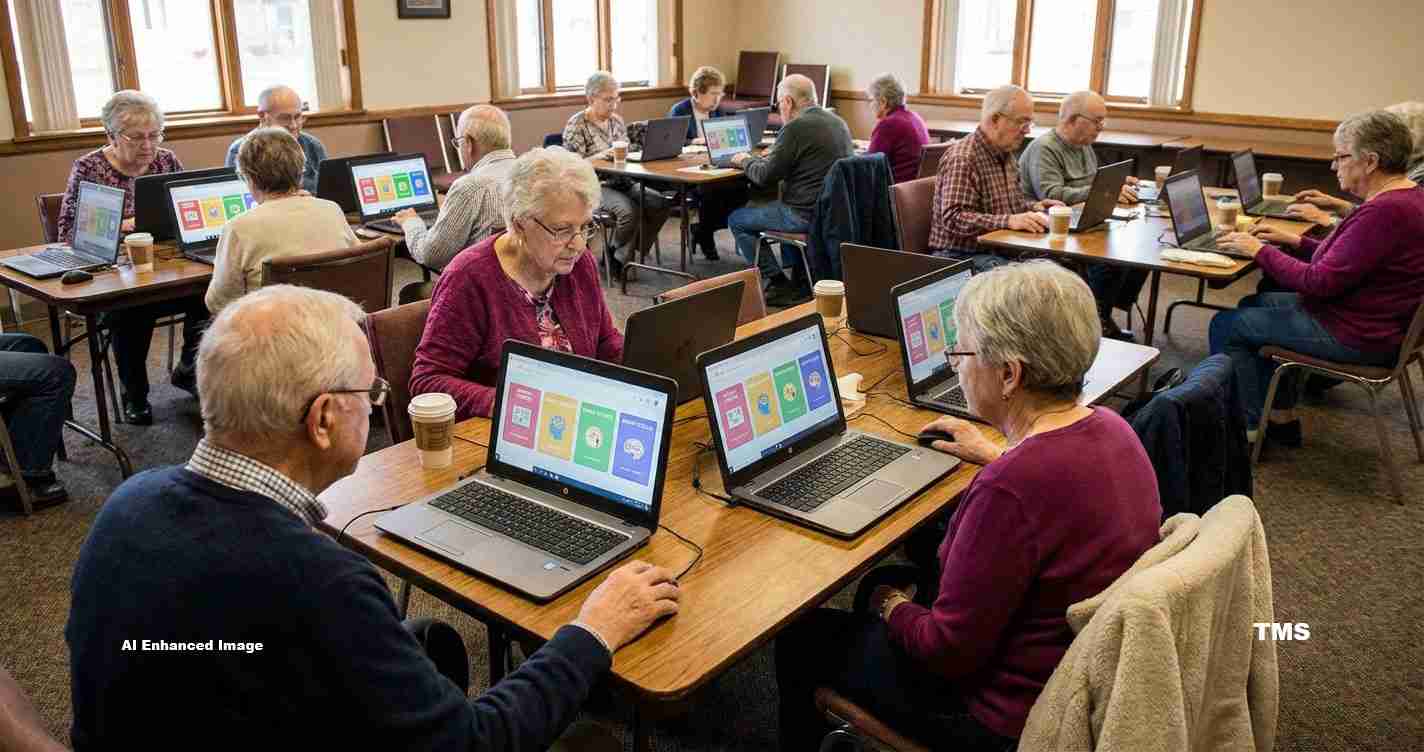
The Advanced Cognitive Training for Independent and Vital Elderly (ACTIVE) trial began in 1998–1999 with roughly 2,802–2,832 volunteers aged 65–94 who had no major cognitive problems. Participants were randomly assigned to one of four groups: speed‑of‑processing, memory, reasoning or a no‑training control.
Initial training was brief and structured: ten classroom or computer sessions (about 60–75 minutes each) delivered over roughly six weeks. A subset was randomly selected to receive booster sessions at 11 months and again at 35 months, so some participants received up to 18 sessions across three years.
Training types
- Speed‑of‑processing training: Adaptive computer tasks emphasizing rapid recognition and response to visual information.
- Memory training: Strategy‑based mnemonic techniques.
- Reasoning training: Practice with pattern and problem‑solving strategies.
Sources for study design and enrollment: ScienceDaily, the PubMed record and the UF Health release.
Twenty‑year outcomes: what the data show
Researchers used Medicare claims and medical records to identify dementia diagnoses across roughly 20 years of follow‑up; many participants are now in their 90s. The headline finding concerns speed training with booster(s):
- Reduced dementia incidence: Among those who had speed training plus at least one booster, 40% (105 of 264) were diagnosed with dementia within 20 years, versus 49% (239 of 491) in the control group — a 25% lower risk (HR 0.75, 95% CI: 0.59–0.95).
- No effect without boosters: Speed training without boosters did not show a significant long‑term effect (HR 1.01, 95% CI: 0.81–1.27).
- Memory and reasoning: These training arms did not lower 20‑year dementia risk in this analysis.
Earlier ACTIVE reports showed short‑ and mid‑term benefits: at five years, training groups had improved daily functioning (medications, finances); at 10 years, speed and reasoning training showed sustained cognitive gains.
Primary sources for outcomes and statistics: ScienceDaily, the PubMed record and the journal Alzheimer’s & Dementia: TRCI.
Why speed training may work
Investigators propose the adaptive nature of speed training is critical: task difficulty adjusts to performance, continuously challenging visual processing speed and divided attention. This repeated, titrated challenge may strengthen specific brain networks differently than memory or reasoning drills.
“These findings were surprising, and importantly, there was no harm from the training,” said Michael Marsiske, PhD, a lead investigator at the University of Florida College of Public Health and Health Professions.
Coverage and commentary on mechanisms: ScienceDaily and broader reporting such as Fox News.
Expert views and next steps
George Rebok, PhD (Johns Hopkins) said the results support refining speed training for older adults and pairing it with other lifestyle measures. The NIH commented that moderate cognitive training may delay dementia diagnosis but that more research is needed to clarify neural mechanisms.
Study authors plan trials combining training with exercise, dietary changes and blood‑pressure control, and to use large, real‑world datasets (for example, Medicare records) to confirm and extend these findings.
Relevant statements and plans: ScienceDaily, the UF Health release and NIH commentary at NIH.
Funding, publications and data sources
The ACTIVE trial and follow‑up were funded by the National Institutes of Health, including the National Institute on Aging and the National Institute of Nursing Research. The 20‑year findings are published in Alzheimer’s & Dementia: TRCI. Dementia ascertainment used Medicare claims and medical records; authors report no notable conflicts in public summaries.
Primary publication and data references: PubMed, journal article, and institutional summaries such as the UF Health release.
Limitations to keep in mind
Important caveats:
- The trial began before many modern digital behaviors and current medical advances; applicability to today’s older adults may vary.
- Participants were volunteers healthy enough to enroll in a long-term trial, which may limit generalizability.
- The observed protective effect depended on receiving booster sessions; training dose and timing appear to matter.
Sources: ScienceDaily, PubMed.
Implications for Fresno, California
This research has local relevance for Fresno’s public health planning, senior services and community programs. Key implications are summarized below.
Economic impact
If validated locally, speed‑of‑processing training could slow growth in dementia‑related long‑term care costs. Fewer dementia cases would lessen pressure on families, Medicaid and local care systems. Senior centers and community programs offering validated courses could create modest revenue and jobs for instructors.
Political consequences
Local policymakers and health departments may see evidence here as a rationale for funding preventive, cost‑effective programs. Fresno leaders interested in public health returns on investment could pilot training at senior centers, libraries and clinics.
Social effects
Accessible community courses could benefit Fresno’s older adults and reduce social isolation when paired with group activities. Families may gain non‑medical options to help maintain independence for older relatives.
Cultural relevance
Fresno’s diverse communities will need culturally sensitive outreach and language support. Offering free or low‑cost programs at trusted neighborhood sites and working with immigrant and farmworker organizations could increase participation and equity.
Practical applications for residents
Residents can pursue short, regular sessions plus boosters — the ACTIVE model — at community sites. Health providers should prioritize validated speed‑of‑processing programs over untested “brain games” and insist on booster sessions for long‑term effect.
Where Fresno residents can start
- Ask local aging services about cognitive training offerings.
- Check with the Fresno County Department of Public Health, area hospitals and senior centers for pilot programs.
- Clinicians can refer patients to validated speed‑of‑processing training rather than generic apps.
Further program guidance and background: NIH and general context at BrainHQ.
Reporting and sources
This article is based on the ACTIVE study 20‑year results and related coverage. Primary source material and summaries used in this report include:
- UF Health news release
- ScienceDaily summary
- PubMed record (journal article)
- Alzheimer’s & Dementia: TRCI (journal link)
- Fox News coverage
- NIH commentary
- Additional background (BrainHQ)
Note: All original facts and URLs from the source material have been preserved and linked to the relevant keyphrases above for reference.



