
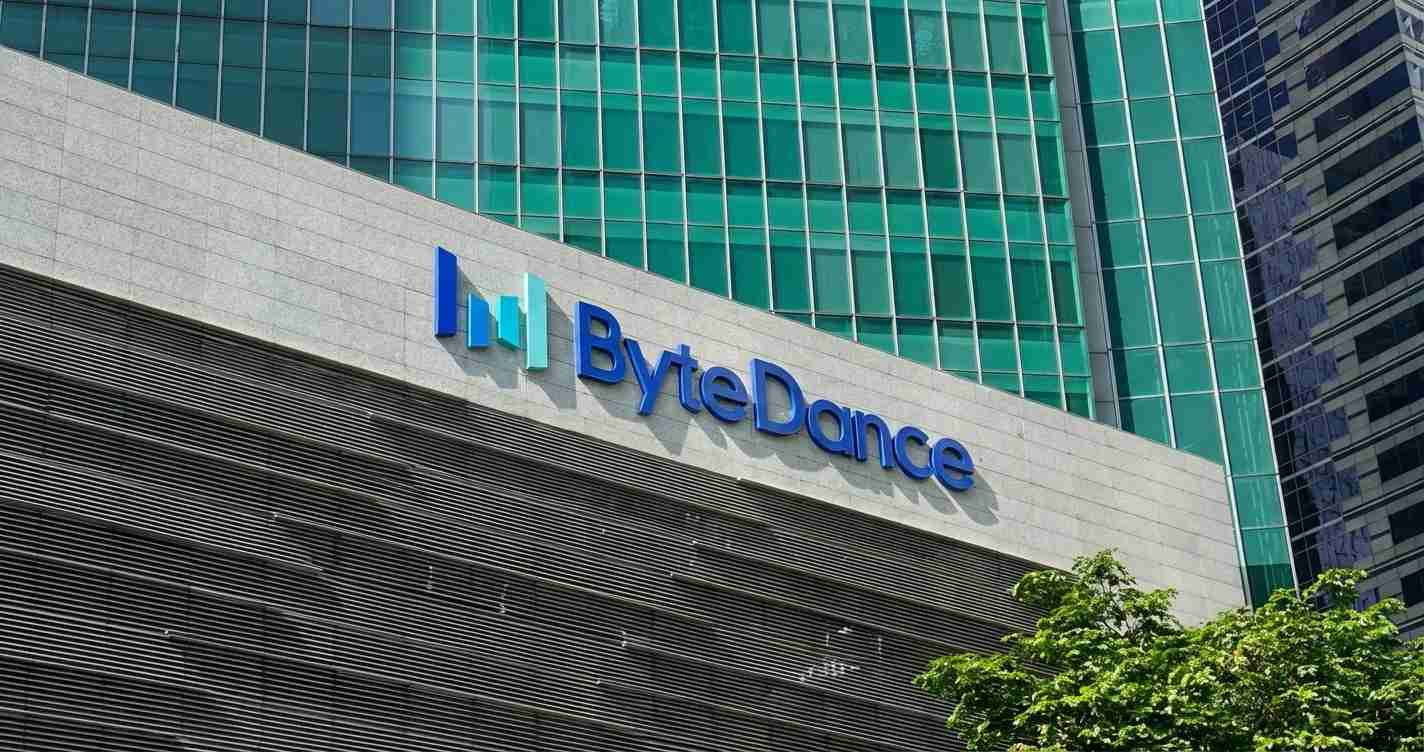
TikTok signs deal for U.S. joint venture with Oracle, Silver Lake; $14 billion sale set to close Jan. 22, 2026 amid data security overhaul
TikTok has agreed to form a U.S. joint venture with American-led investors including Oracle and Silver Lake to resolve a yearslong dispute. The $14 billion deal, due Jan. 22, 2026, aims to address U.S. data security and influence concerns.
- Sale and timeline: A $14 billion transaction to form a U.S. joint venture is scheduled to close on Jan. 22, 2026.
- Major backers: Oracle and Silver Lake are named among primary investors; reported ByteDance direct ownership figures vary (below 20% vs. combined 35%).
- Security and product changes: Plans include retraining recommendation algorithms on U.S. data, stronger software assurance and data segregation to address national security laws.
- Approvals required: The agreement still needs signoff from U.S. regulators and Chinese authorities before it becomes final.
Key information
TikTok announced on Dec. 18, 2025, that it signed agreements to create a U.S. joint venture with American-led investors. The transaction is scheduled to close on Jan. 22, 2026. Sources reporting the signed agreements include Fox Business and analysis from Forrester.
- Backers and valuation: Major investors include Oracle and Silver Lake. The U.S. business is reported to be valued at roughly $14 billion.
- Ownership figures: Reports indicate ByteDance’s direct ownership in the new U.S. firm would be below 20%, while ByteDance-related investors could hold a combined ~35% stake — a difference with regulatory implications.
- Users affected: The change would impact more than 170 million U.S. users, according to internal messaging and public reporting.
What the agreements say — and what they leave open
TikTok’s internal memo, cited by reporters, frames the deal as a mechanism to keep the app operating in the U.S. while responding to legal and political pressure. The agreements propose a new ownership plan led by American investors, naming Oracle and Silver Lake among primary stakeholders, with other international investors such as MGX (UAE-based) reported to hold a meaningful portion.
Two ownership figures are in circulation: the White House suggested ByteDance would be limited to less than 20% ownership, whereas other reporting indicates ByteDance-related investors could retain about 35% overall. The reports do not yet provide a complete public breakdown of every investor’s share, leaving questions about the new firm’s operational independence.
Regulatory and political milestones
The deal progressed after an executive order signed in September 2025 that allowed a sale or restructuring to proceed. That step, connected in public discussion to efforts to secure Chinese cooperation, does not remove the need for further approvals: U.S. national security reviews and any Chinese approvals for transfers of ownership or technology remain necessary before closing.
Key constraint: Finalization depends on U.S. regulators reviewing national security measures and Chinese authorities allowing any transfer deemed subject to Chinese rules.
How TikTok says it will protect U.S. data and change the product
Company and analyst notes describe a program of technical and policy changes intended to decrease foreign access and influence. Reported steps include:
- Retraining the recommendation algorithm on U.S.-resident data to localize model behavior.
- Increasing software assurance practices and auditing to demonstrate independence.
- Moving or segregating U.S. user data to systems under U.S. control or oversight.
- Content moderation changes and governance adjustments that could affect which content is promoted.
Analysts caution these technical shifts can alter the user experience — notably the mix of videos surfaced on For You feeds and creators’ organic reach.
Legal context: PAFACA and past disputes
The transaction is framed around compliance with the Protecting Americans from Foreign Adversary Controlled Applications Act (PAFACA), which allows the U.S. government to block or force divestiture of apps linked to foreign adversaries. TikTok has been the focus of bipartisan concern over Chinese ownership ties and the volume of U.S. user data it holds; the deal aims to place U.S. operations under American-led control to reduce that pressure.
What changes might users, creators and advertisers notice?
The proposed technical and governance changes could have several visible effects:
- Users: A retrained recommendation algorithm could change which videos appear on For You pages — some viral trends may spread differently or less often.
- Creators: Discovery patterns may shift, affecting reach and earnings; creators might need to adapt posting strategies, formats or hashtags.
- Advertisers and businesses: Data segregation and U.S.-based controls could reassure brands, but advertisers will monitor engagement and audience behavior for any decline or change.
Reporting and verification
This article synthesizes reporting from business outlets and technology analysts. Primary coverage of the signed agreements appeared in Fox Business and analysis in Forrester. Public-facing discussion and video segments have also examined the deal — see a noted CNBC video. Final terms will be clearer only after formal approvals and legal documents are filed.
Implications for Fresno, California
Economic impact for local businesses
Fresno small businesses and local advertisers rely on TikTok to reach customers across the Central Valley. A stable, U.S.-based TikTok could reassure advertisers about data handling, encouraging continued or increased ad spend and supporting downtown shops, restaurants and services that use short-video marketing.
Conversely, if algorithm changes lower organic reach, businesses that grew via viral posts may see reduced visibility, pushing more spending toward paid promotions or alternative platforms and increasing marketing costs for small enterprises.
Local creators and the creative economy
Fresno hosts creators ranging from food and farming vloggers to musicians. Stronger data rules could improve brand-safety perceptions and ad revenue opportunities, but retrained recommendation systems may change discovery patterns. Creators may need to adapt content formats, posting cadence, or engagement tactics to preserve reach.
Public services, schools and safety
County agencies, school districts and public health campaigns use TikTok to reach younger residents. A U.S.-focused joint venture with clearer data protections could increase officials’ confidence in the platform for civic messaging. However, any moderation changes could affect distribution of public-safety videos or school alerts.
Political and community effects
Fresno’s mixed political landscape may welcome a move that reduces foreign control while keeping services operational. Still, local trust will hinge on transparency about ownership structure, data controls and content-moderation policies.
Practical steps for Fresno residents and businesses
- Businesses & creators: Monitor engagement closely after algorithm changes; be ready to test paid promotions and diversify platforms.
- Schools & agencies: Verify updated privacy and data agreements before resuming student-related or sensitive campaigns.
- Community leaders: Seek public information on U.S. data storage, auditing, and content-moderation commitments from investor and company representatives.
Reporting note
This article draws on reporting from Fox Business and analysis from Forrester, as well as public video coverage available via a CNBC video. The transaction’s final terms will be public only after formal approvals and full legal documents are filed.



