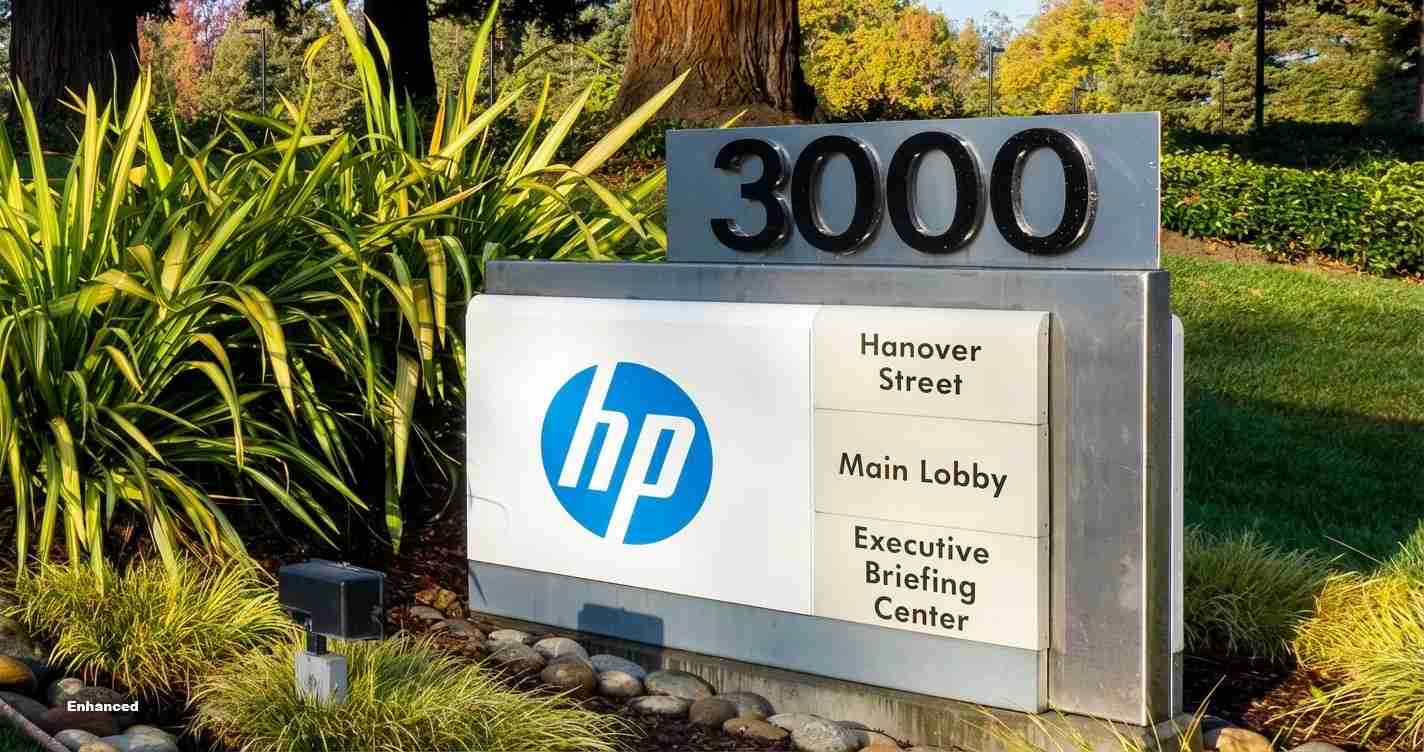
HP to cut up to 6,000 jobs by 2028 in bid to speed AI push, aims for $1B in savings
HP announced it will eliminate 4,000–6,000 roles globally by fiscal 2028 to accelerate its AI strategy and streamline operations, targeting a $1 billion gross run-rate savings over three years while concentrating staff on AI product and customer-facing work.
- Scale: HP plans to cut between 4,000 and 6,000 jobs worldwide by fiscal 2028.
- Focus: Reductions will concentrate in product development, internal operations and customer support to reallocate talent to core AI work.
- Savings target: The restructuring aims for $1 billion in gross run-rate savings over three years.
- Context: The move follows earlier February 2025 cuts of 1,000–2,000 employees and comes amid broader tech pivots toward AI and automation.
Dateline and overview
Palo Alto (Times Media Service) — On Tuesday HP Inc., the Palo Alto–based technology firm, said it would reduce its global headcount by 4,000–6,000 roles by fiscal 2028 as part of a comprehensive restructuring to speed the company’s AI strategy and make operations leaner. CEO Enrique Lores confirmed layoffs will primarily affect product development, internal operations and customer support, and that the plan is expected to generate a $1 billion gross run-rate savings over three years.
What HP says and how it framed the move
HP told reporters the restructuring is meant to accelerate the HP AI strategy and shift resources toward AI-enabled products and automation. CEO Enrique Lores said the changes will concentrate staffing where HP expects the greatest return — core AI product work and customer-facing operations — while trimming roles in other parts of the business. Management framed the workforce reductions as a way to drive cost savings and efficiency gains as the company retools for AI-era hardware and services.
Why HP is making the cuts
Executives point to several market forces pushing the decision:
- Shift in demand: Customers are moving toward AI-capable personal computers; HP reported that AI-capable PCs made up more than 30% of shipments in the quarter ending Oct. 31, 2025.
- Rising input costs: HP cited higher memory chip costs driven by major data-center builds and stronger demand for AI infrastructure — a pressure analysts at Morgan Stanley warned could squeeze margins for consumer electronics makers.
- Timing: HP expects memory cost pressures to hit in the second half of fiscal 2026, while saying it has supplies to weather the first half.
Financial outlook and near-term steps
To offset cost pressure and protect margins, HP outlined actions including qualifying lower-cost suppliers, lowering memory configurations on some products, and selectively raising prices on select models. The company projected adjusted first-quarter earnings per share between $0.73 and $0.81, with the midpoint slightly below analyst expectations of $0.79. Management said the workforce reduction is part of a broader plan to reach the $1 billion gross run-rate savings over three years to fund strategic investments, including AI development.
How big a hit could this be?
At the high end, cutting 6,000 jobs would be material for HP — some observers estimate it could represent as much as 10% of HP’s total workforce, though estimates vary. Combined with earlier reductions of 1,000–2,000 people in February 2025, these actions indicate a sustained effort to reshape HP’s cost structure and workforce for an AI-centric product future.
Broader industry context: tech industry job cuts and the AI pivot
HP’s announcement arrives amid a wider wave of tech industry job cuts in 2025 as major firms reallocate spending toward AI, cloud infrastructure and automation. Large companies including Microsoft, Google, Apple and Amazon have shifted headcount and capital toward data centers and AI product teams while reducing other staff. Outside tech, firms from retail to manufacturing have also announced reductions. Economists characterize the pattern as structural change rather than isolated cost cutting; Federal Reserve Chair Jerome Powell described the labor market as showing a “very gradual cooling.”
Expert takeaways
Dan North, senior economist at Allianz Trade Americas, told reporters the scale and spread of reductions across sectors suggests companies are changing how they run businesses, with automation and shifting consumer demand as key drivers. That interpretation highlights how firms reallocate labor toward priorities such as AI product development and data infrastructure.
Questions for workers and communities
Important practical questions remain unanswered: Which job categories will be reduced first? How quickly will cuts ramp to 2028? What severance, outplacement or retraining will HP offer displaced workers? HP has not provided a detailed timeline or a comprehensive list of affected locations. Local labor markets and support programs will be key to how individuals and regions absorb losses tied to product development and support functions.
Implications for Fresno, California
Economic impact
Fresno’s economy — diverse but still growing its tech footprint — could feel indirect effects. Direct HP layoffs are likelier to hit roles that can be remote or based outside Palo Alto such as customer support, operations and remote product roles. Even without a large HP office in Fresno, cuts can ripple through the region by reducing demand for local contractors, service providers and recruitment channels. Small businesses offering IT services or office support could see contract losses if vendors lose HP accounts.
Labor market and workers
Fresno’s unemployment rate and jobless claims could rise if some of the affected positions are filled by San Joaquin Valley residents or if displaced tech workers relocate to lower-cost areas. Community colleges and California State University, Fresno (Fresno State) will be important for retraining and upskilling. Local leaders may seek partnerships to move affected workers into cloud services, AI operations and cybersecurity roles.
Political and policy consequences
Local officials may face pressure to support displaced workers through job fairs, training grants and state workforce partnerships. Responses will likely emphasize measurable outcomes — rapid re-employment, apprenticeships and clear pipelines into in-demand roles — and may blend public investment with private-sector retraining.
Social and community effects
Job losses can increase household stress and demand for social services, mental health support and career counseling. Nonprofits and community groups focused on workforce support should prepare for higher demand and coordinate referrals to short-term financial aid, unemployment services and retraining programs.
Practical steps for residents
- Update resumes and secure pay and benefits records.
- Engage with local workforce programs and community colleges for targeted retraining in AI support, cloud administration and cybersecurity.
- Participate in local job fairs and employer-led upskilling initiatives.