
Trump signs Whole Milk for Healthy Kids Act, returning whole and 2% milk to school lunches
President Donald Trump signed the Whole Milk for Healthy Kids Act of 2025 (S. 222) on Jan. 14, 2026, allowing schools in the National School Lunch Program to offer whole and 2% milk, flavored or unflavored.
Key takeaways
- New law: S. 222 permits schools in the National School Lunch Program (NSLP) to offer whole milk and 2% milk—flavored or unflavored—alongside fat-free and 1% low-fat options.
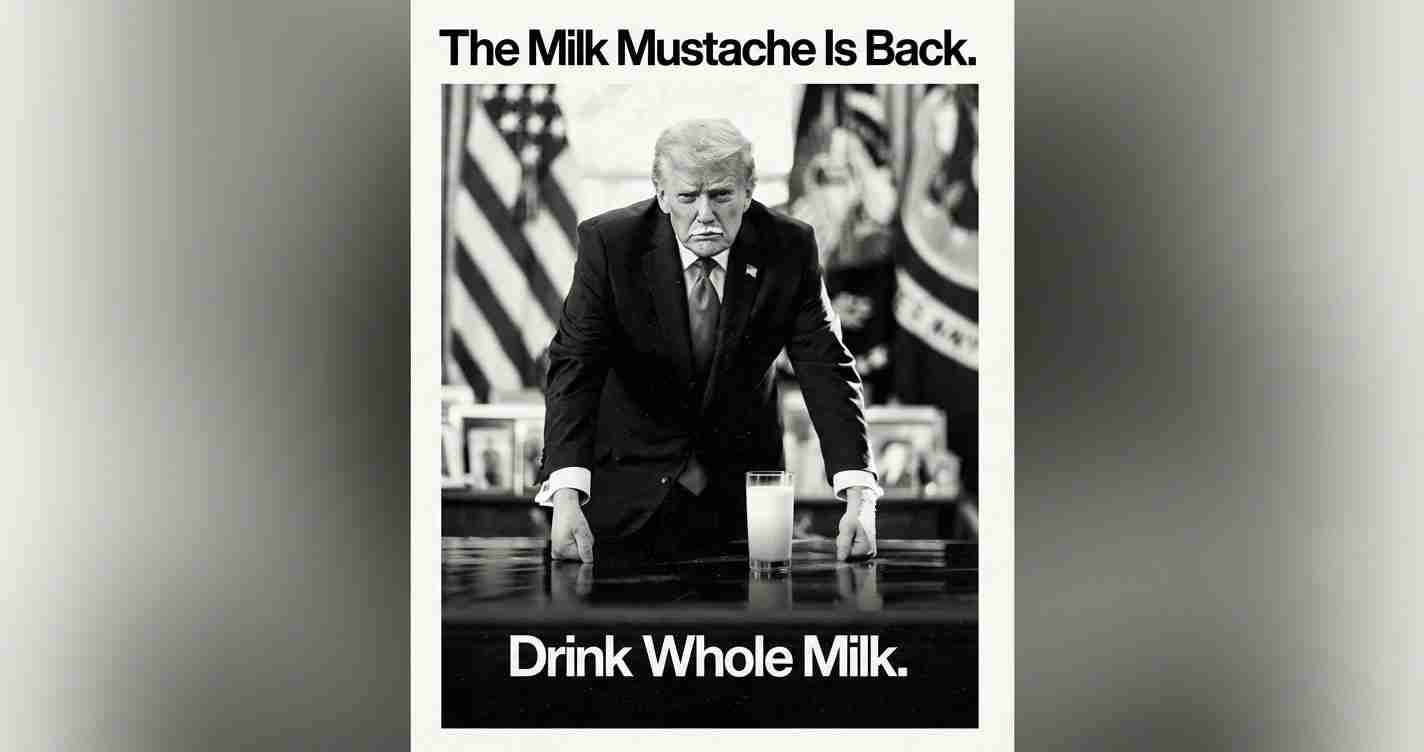
- Implementation: USDA issued immediate guidance and will follow with rulemaking; the agency also announced a “Drink Whole Milk” outreach push.
- Related changes: Easier access to nutritionally equivalent plant-based milks and a bundled allergy-training requirement for school food staff.
- Local impact: Districts must weigh procurement, cost, allergy accommodations and potential nutrition effects, with implications for regions like Fresno, California.
What the law does — and what stays the same
The Whole Milk for Healthy Kids Act removes the federal restriction from the 2010 Healthy, Hunger-Free Kids Act that limited school milk to fat-free and 1% low-fat options. Schools in the NSLP may now choose to offer whole milk and 2% milk, including flavored varieties, in cafeterias.
USDA and program officials emphasize that eligibility rules and reimbursement structures remain intact; the law adjusts only the milk-type options available to students. For immediate operational details, see USDA’s FNS implementation guidance and the USDA press release.
Signing ceremony and rollout
President Trump signed S. 222 in the Oval Office on Jan. 14, 2026, accompanied by Agriculture Secretary Brooke L. Rollins, HHS Secretary Robert F. Kennedy Jr., USDA National Nutrition Advisor Dr. Ben Carson, dairy farmers, parents and bipartisan lawmakers who supported the bill.
USDA described plans for an immediate rollout that includes a public outreach push—the “Drink Whole Milk” campaign—and a promotional video to encourage schools and families to consider whole milk as part of balanced meals. State agencies and local districts will get guidance to help nutrition staff and procurement officers make choices that reflect student needs and local supply. Details are in the USDA press release and local coverage such as Oklahoma Farm Report.
Legislative background and supporters
S. 222 passed both chambers in December 2025 with bipartisan sponsorship. Key sponsors included Senators Roger Marshall (R‑KS) and Peter Welch (D‑VT) and Representatives Glenn Thompson (R‑PA), Kim Schrier (D‑WA) and Tom Tiffany (R‑WI). The bill drew backing from Senate Agriculture Committee Chair John Boozman (R‑AR).
Dairy trade groups—including Dairy Farmers of America and the National Milk Producers Federation—hailed the law as
“a win for children’s nutrition and for farmers,”
highlighting whole milk’s nutrient density. Plant-based advocates such as the Plant Based Foods Institute welcomed clearer access to nutritionally equivalent alternatives. Coverage and reactions are summarized in FoodBev and the Rep. Tom Tiffany press release.
Health guidance shift: Dietary Guidelines and the flipped pyramid
The law follows the 2025–2030 Dietary Guidelines for Americans, which emphasized protein and full‑fat dairy within a revised “flipped food pyramid” promoted by the Make America Healthy Again initiative. Supporters say the guidelines reflect updated science and give schools more flexibility to serve nutrient-dense options.
Advocates point to nutrients in whole milk—calcium, vitamin D (when fortified), protein and fat‑soluble vitamins—as important for growth. Critics and some health experts caution that evidence on whole milk’s effects on childhood obesity and long-term health remains debated; media coverage reflected mixed reactions (see DTN/Progressive Farmer, ABC News).
Access to plant-based milks and allergy protections
S. 222 eases access to nutritionally equivalent plant-based milk alternatives by removing the requirement that a licensed medical professional sign off on dietary substitutions in non‑disability circumstances. Parents or guardians may now request plant-based alternatives without state notification in many cases, a change plant‑based advocates say recognizes family choice (see FoodBev).
The bill also includes the Protecting Children with Food Allergies Act, which mandates training for school food staff on preventing, recognizing and responding to allergic reactions, aiming to standardize protocols across districts (DTN/Progressive Farmer).
Critics and unanswered questions
Public‑health groups and some nutrition experts raised concerns about whether offering whole milk in schools will improve child health outcomes or could increase calorie and saturated‑fat intake. Animal welfare and other advocacy groups warned the change could pose challenges for lactose-intolerant students unless plant-based options are consistently available and nutritionally equivalent—estimates suggest up to ~40% of participants in some meal programs may experience lactose intolerance (DTN/Progressive Farmer).
Local officials also face operational questions: procurement costs and supply-chain adaptation, whether flavored whole milk affects sugar consumption, and how districts will track milk choice. USDA’s interim guidance offers flexibility but leaves specifics to forthcoming rulemaking (FNS implementation guidance).
How schools and families will see changes on the tray
Districts choosing to add whole or 2% milk will need to update menus, train cafeteria staff on portion sizes and choice systems, and decide whether to offer multiple milk options daily or rotate offerings. USDA said districts can move quickly under interim guidance, while full regulatory alignment will follow rulemaking (FNS implementation guidance).
Families concerned about allergies or diet preferences should contact their child’s school to request plant‑based alternatives or allergy accommodations; the law expands parents’ authority to request non‑dairy milk without medical documentation (FoodBev).
Implications for Fresno, California
Economic impact: Fresno County, a major California dairy region that also serves a large public school population, could see increased demand for whole and 2% milk in school contracts—potentially boosting local farm and processing revenue and shortening supply chains if districts source regionally (see USDA press release).
Budget and procurement: Fresno Unified and other Valley districts should assess whether offering more milk choices affects costs; whole milk pricing may differ from skim and plant-based alternatives. District nutrition directors should consult USDA FNS guidance and state education offices about procurement rules (FNS implementation guidance).
Health and equity: Fresno faces higher rates of childhood obesity and diet‑related conditions than some state averages; local health officials will monitor calorie and nutrient intake and participation rates. The law’s clarification on plant‑based access may help families with lactose intolerance or cultural dietary preferences, but districts must ensure nutritionally equivalent options are available and communicated (Education Week).
Operational readiness: Fresno districts should inventory milk contracts and cold-storage capacity, draft family communications about new choices, and schedule staff training on allergy protocols required under the law (FNS implementation guidance; USDA press release).
Sources and further reading
- USDA press release: Whole milk back: President Trump signs Whole Milk for Healthy Kids Act
- White House statement on S. 222
- FoodBev coverage
- Oklahoma Farm Report on signing ceremony
- FNS implementation guidance
- Education Week analysis
- DTN/Progressive Farmer coverage
- Rep. Tom Tiffany press release
- ABC News coverage of reactions



