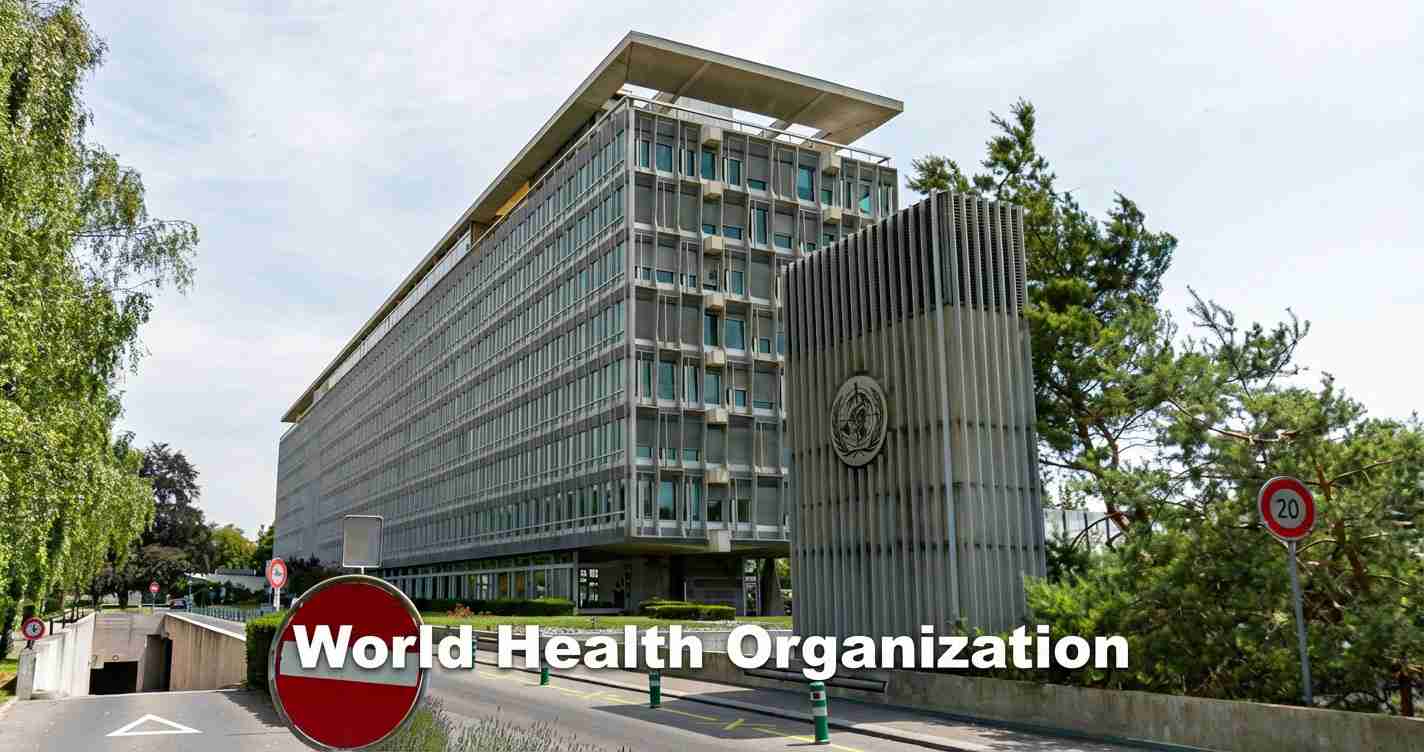
California moves to plug into global disease‑tracking networks after U.S. exit from WHO
Following the U.S. withdrawal from the World Health Organization, California is forging direct links to global disease‑tracking networks to protect its 39 million residents, aiming to preserve early outbreak alerts and public health preparedness amid limited federal WHO engagement.
- State action: Governor Gavin Newsom is pursuing direct connections to global surveillance systems to ensure faster local access to outbreak data (Source).
- Federal shift: The U.S. completed withdrawal from the WHO on Jan. 22, 2026, and plans to rely on limited WHO contact and bilateral ties for surveillance (Source).
- Risks: Public health experts warn the move could slow access to early outbreak data and reduce influence on global vaccine and surveillance efforts (Source; Source).
- Local implications: Fresno and other counties face potential operational, political and social impacts depending on the speed and scope of California’s direct connections.
What happened at the federal level
The United States formally left the World Health Organization on Jan. 22, 2026, after an executive order signed in 2025 began the withdrawal process. Federal officials say the administration will limit work with the WHO and instead pursue direct bilateral partnerships for surveillance, diagnostics and outbreak response (Source).
Officials from the U.S. Department of Health and Human Services and the State Department point to existing overseas staff and bilateral agreements — more than 2,000 HHS staff in 63 countries — as mechanisms to maintain global health ties without WHO membership (Source).
Financial and technical fallout
The split carries financial weight: reporting shows unresolved U.S. obligations to WHO ranging from more than $133 million (per WHO accounting) to figures topping $270 million for the 2024–2025 period, a discrepancy the administration disputes (Source; Source).
Technically, the withdrawal removes U.S. participation from WHO‑sponsored committees and working groups, including those that assess circulating influenza strains and recommend yearly vaccine updates — a change experts say could weaken U.S. influence over flu surveillance and vaccine decision-making (Source).
Public health experts raise alarms
Leading voices in public health sharply criticized the withdrawal. Lawrence Gostin, a public health law expert at Georgetown University, called the move “the most ruinous presidential decision in my lifetime.” Dr. Ronald Nahass, president of the Infectious Diseases Society of America, described it as “shortsighted and misguided” and “scientifically reckless,” warning it could hamper tracking of threats such as Ebola and seasonal flu (Source; Source).
“The decision risks slowing early warnings about new outbreaks and could harm programs from polio eradication to maternal and child health,” public health researchers warn.
California’s separate path
In Sacramento, Governor Gavin Newsom has directed state officials to explore ways to connect directly to global disease‑tracking networks and data systems so state public health agencies can receive timely information about outbreaks and emerging threats. The plan is designed to create a state‑level pipeline for global surveillance data instead of relying solely on federal channels that may be constrained by the withdrawal (Source).
State leaders say partnerships will target international labs, universities and health agencies. California emphasizes its deep ties to research institutions and a large public health workforce that can be mobilized to preserve early warning capabilities and give officials more time to respond.
What experts say about state-level action
Researchers acknowledge that state efforts can partially fill gaps, but caution that state‑by‑state measures cannot fully replace standardized international networks and rapid, centralized data sharing. Fragmented approaches risk creating blind spots and raising costs for consistent nationwide participation (Source; Source).
Still, state action can buy time. Direct feeds from global surveillance systems could allow California public health teams to learn about outbreaks earlier than waiting on filtered federal channels — enabling faster testing, clearer public guidance, and improved coordination with hospitals and clinics.
Implications for Fresno, California
Economic impact: Early detection helps limit outbreaks that disrupt work, schools and businesses. If California’s strategy yields faster detection, Fresno hospitals may avoid surges and related extra costs. If gaps persist, local clinics may face higher patient loads and staffing strain.
Political consequences: The state’s move could become a local political issue in Fresno, with voters and leaders debating support for Sacramento’s approach and potential budgetary implications.
Social effects: Fresno’s vulnerable populations — seniors, farmworkers and those with limited access to care — could benefit from faster detection through targeted outreach, testing and vaccination campaigns; delays could deepen disparities and increase mistrust.
Cultural relevance: Direct connections to global data may help local health leaders communicate risks to immigrant communities more accurately and quickly, enabling culturally tailored messaging in multiple languages.
Practical applications: Earlier alerts could enable Fresno public health departments and hospitals to scale testing, secure supplies, plan staffing, and coordinate with schools and employers ahead of surges. Local labs might partner with university or national centers to share data and analyses.
What Fresno leaders can do now
- Coordinate with state officials: County health leaders should join California’s planning so local needs inform data‑sharing agreements (Source).
- Strengthen local lab capacity: Invest in public health labs to confirm cases quickly and share results with state and international partners.
- Build community trust: Develop rapid, culturally sensitive communication plans for vulnerable groups.
- Track funding needs: Assess financial impacts on hospitals and clinics and pursue state or federal assistance as required.
Sources and further reading
- ABC7: “U.S. completes withdrawal from World Health Organization”
- ABC News: “U.S. officially exits World Health Organization, accusing agency of mishandling pandemic”
Journalists in Sacramento and Fresno are watching whether California’s efforts to plug directly into global disease‑tracking networks will be fast and robust enough to protect 39 million residents and keep local health systems prepared for the next outbreak.