
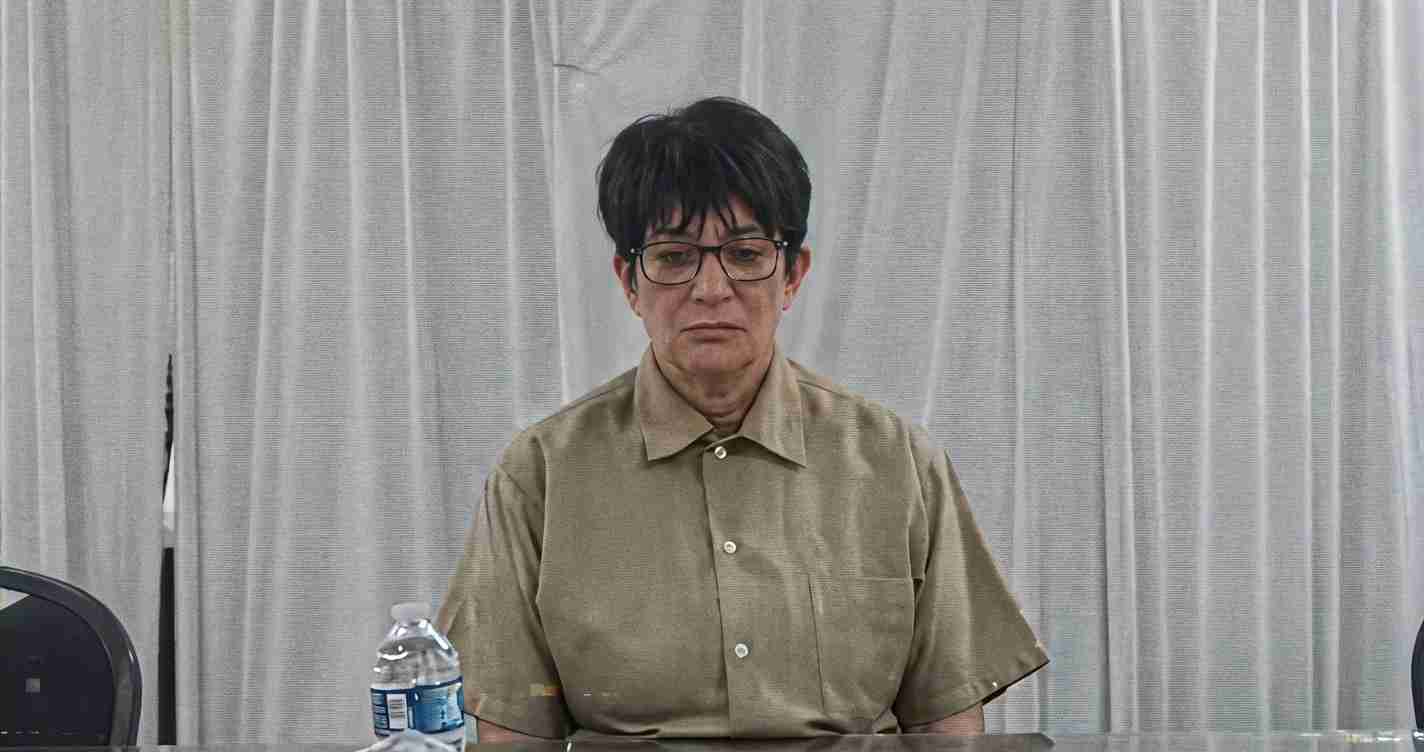
Maxwell Pleads the Fifth, Ends House Oversight Deposition in Under an Hour; Attorney Offers “Maxwell Clemency Offer” to Reveal More
Ghislaine Maxwell invoked the Fifth Amendment during a closed, virtual House Oversight deposition on Feb. 9, 2026, which ended in under an hour; her attorney said she would speak fully only if granted clemency by President Trump, dubbed the “Maxwell Clemency Offer.”
- Short deposition: Maxwell invoked the Fifth in a closed, virtual interview that lasted less than an hour.
- “Maxwell Clemency Offer”: Her attorney said she would provide a full public account only if granted clemency by President Trump, while also asserting she has no information implicating Donald Trump or Bill Clinton (CBS News, Politico).
- Ongoing probe: The deposition was part of the bipartisan House Oversight Committee’s investigation into federal handling of the Epstein case, following subpoenas and documents released under the Epstein Files Transparency Act (ABC News).
What happened in the deposition
Maxwell appeared virtually for a closed-door interview with staff from the House Oversight Committee on Monday, Feb. 9, 2026. Within minutes, her attorney said that because of a pending federal petition and other legal risks she could not answer questions. Maxwell then invoked her Fifth Amendment right against self-incrimination, and the interview concluded in under an hour without public questioning by committee members (ABC News; CBS News).
Attorney’s opening statement and the clemency offer
David Oscar Markus, Maxwell’s attorney, read an opening statement that emphasized two points: she has no information that would implicate President Donald Trump or former President Bill Clinton in wrongdoing connected to Epstein; and she would be willing to provide a complete public account only if granted clemency by President Trump. Markus posted a version of his remarks on X, saying,
“Ms. Maxwell is prepared to speak fully and honestly if granted clemency by President Trump. Only she can provide the complete account. Some may not like what they hear, but the truth matters.”
Reporters and lawmakers have labeled the conditional proposal the “Maxwell Clemency Offer.” (CBS News; Politico).
Committee context and subpoenas
The deposition followed a subpoena issued to Maxwell in July 2025 as part of a bipartisan probe into whether federal officials mishandled evidence and decision-making involving Jeffrey Epstein and Ghislaine Maxwell. The House Oversight and Government Reform Committee has sought records from the Justice Department, the FBI, Epstein’s estate, and former officials, and is reviewing documents released under the Epstein Files Transparency Act, signed in November 2025 (CBS News).
Reactions from lawmakers and survivors
Responses on Capitol Hill split along party lines. Some Republicans pointed to Markus’s statement as evidence that high-profile figures were not implicated. Democrats criticized Maxwell’s refusal to answer questions and called the clemency offer a political maneuver that denies survivors accountability and closure.
Selected reactions:
- Rep. James Comer (R-Ky.): Called Maxwell’s refusal “disappointing” and said the committee will continue its work and not agree to immunity or clemency as part of a deal (ABC News).
- Rep. Robert Garcia (D-Calif.): Suggested Maxwell appeared to be protecting others and noted her transfer to a minimum-security prison camp following an interview with the Justice Department (CBS News).
- Reps. Jasmine Crockett and Suhas Subramanyam (D): Criticized the brief hearing and characterized the clemency proposal as a calculated bid for a pardon (ABC News).
Maxwell’s sentence, transfer and legal posture
Maxwell is serving a 20-year federal sentence at a Texas prison camp for her 2021 conviction on sex‑trafficking charges tied to abuse alongside Epstein. She had a two‑day interview in summer 2025 with Deputy Attorney General Todd Blanche and was later transferred to a lower-security camp — a move now scrutinized by the committee. Her attorneys cited a pending federal petition in New York as a reason for declining to testify before the committee (CBS News).
Legal and transparency backdrop
The Oversight Committee aims to reconstruct how prosecutors and federal officials handled Epstein’s earlier non-prosecution agreements and whether documents were properly disclosed. The Epstein Files Transparency Act (Nov. 2025) forced the release of Justice Department records previously sealed; lawmakers including Rep. Ro Khanna (D‑Calif.) and Rep. Thomas Massie (R‑Ky.) continue to push for unredacted files (Politico).
Video and public record
News networks carried reports and video of the developments; coverage and reactions were widely distributed. Example coverage can be viewed via the noted video report (YouTube coverage example).
Implications for Fresno, California
Although the Oversight probe is focused on federal handling of Epstein-related matters, the national conversation may have local ripple effects in Fresno across economic, political, and social lines.
Economic impact
Direct immediate economic effects on Fresno are unlikely. However, sustained federal attention to transparency and prosecutorial practices could influence federal funding priorities, enforcement resources, and grant allocations that indirectly affect Central Valley agricultural labor and immigration enforcement.
Political consequences
Fresno’s moderate-leaning electorate and local officials may face constituent pressure to clarify positions on clemency, transparency, and victims’ rights. Representatives such as Rep. Jim Costa could be asked to comment as voters weigh trust in federal institutions.
Social effects
The brief deposition and the clemency proposal could renew public attention to survivors’ needs in Fresno. Local advocacy groups, shelters and counseling services might see increased demand as survivors engage with the national conversation.
Cultural relevance
Fresno’s faith-based and immigrant communities emphasize child protection and accountability; how national leaders handle clemency and transparency could shape local discussions about fairness and justice.
Practical applications for residents
Residents can follow records released under the Epstein Files Transparency Act, watch upcoming Oversight hearings (some livestreamed), and consult local legal aid and advocacy groups for resources and reporting guidance.
Reporting and next steps for the committee
Committee leadership announced plans to press ahead with additional depositions and document requests. Scheduled witnesses released by the panel include Leslie Wexner (Feb. 18), Hillary Clinton (Feb. 26), Bill Clinton (Feb. 27), and others tied to Epstein’s finances and legal affairs. The committee will continue reviewing records released under the Epstein Files Transparency Act (ABC News; Politico).



