Quad God Stumbles: Ilia Malinin’s Olympic Debut Ends in Eighth After Free Skate Errors at Milano Cortina
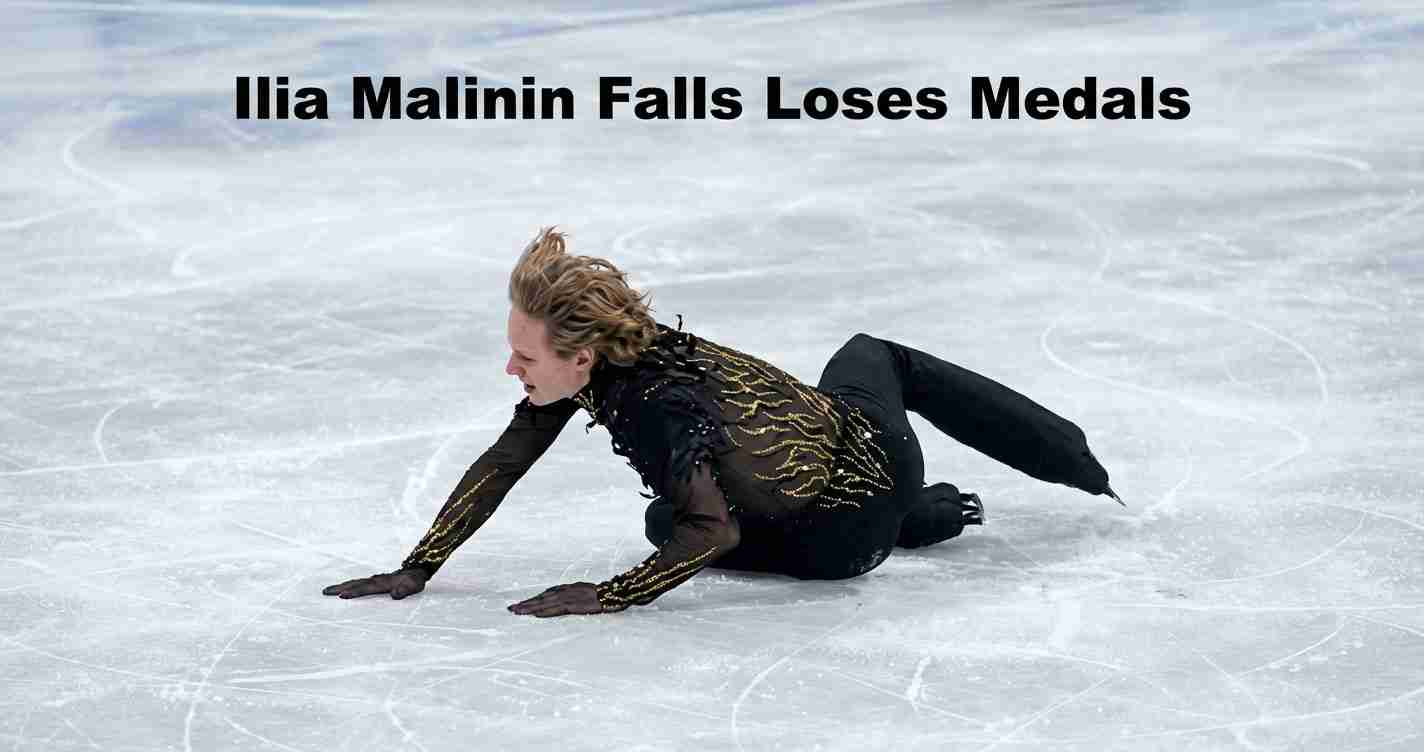
Ilia Malinin, dubbed the “Quad God,” stumbled in his Olympic debut at Milano Cortina 2026, dropping from short-program leader to eighth after multiple downgraded quads and falls in the free skate amid intense pressure and scrutiny.
- Short-program dominance undone: Malinin led after the short with 108.16 but finished eighth overall after a 156.33 free skate (total 264.49).
- High-risk technical layout faltered: multiple downgraded quads, a downgraded quad Axel plan and falls on quad Lutz attempts cost critical points.
- American teammates showed resilience: Andrew Torgashev posted a career-high free (170.12, total 259.06) and Maxim Naumov managed two triple Axels but struggled with quads (free 137.71, total 223.36).
- Podium and momentum: Mikhail Shaidorov won with 291.58 (free 198.94), with Yuma Kagiyama and Shun Sato completing the podium, highlighting the premium on clean execution.
A dramatic shift from short program dominance
Malinin entered Milano Cortina as the heavy favorite after a commanding short program (108.16). He had been a season-long headline-maker, posting personal bests such as a 333.81 total and a world-record short program of 238.24 in December — a streak that included 14 consecutive individual wins since 2023.
Friday’s free skate began positively with a clean quad flip, but the technical plan unraveled. Instead of the planned quad Axel he settled for a single Axel, attempted a double loop where a quad loop was intended, and suffered falls on quad Lutz attempts, among other errors, resulting in a 156.33 free-skate score and a final total of 264.49. These results are documented in coverage from U.S. Figure Skating.
Malinin explains performance: pressure and overwhelm
In a candid media session after the event, Malinin framed the result around mental strain. He said the weight of being an Olympic gold favorite, intense media attention and expectations left him “overwhelmed” and disrupted his focus. He added: “All the pressure, all of the media and being the Olympic gold hopeful was too much to handle… I can’t change the outcome.”
“All the pressure, all of the media and being the Olympic gold hopeful was too much to handle… I’m still trying to understand what happened specifically, but it’s done.”
His remarks underscore the mental-side questions that accompany a debut at the Olympic level and how spotlight and expectation can alter even the most technically driven athletes’ performances. See full athlete quotes and coverage at U.S. Figure Skating.
Other U.S. skaters: bright spots and lessons
Andrew Torgashev produced a career-high free score of 170.12 and finished 12th overall (259.06). He landed a quad toe loop and two triple Axels and drew praise for creative choreography that energized his program. Torgashev called the Olympics “humbling” and emphasized staying present moving forward (U.S. Figure Skating).
Maxim Naumov struggled with two quad Salchow falls but delivered two solid triple Axels and Level 4 spins, scoring 137.71 in the free and finishing 20th overall (223.36). He stressed resilience after the skate: “I left no stone unturned… You can do so much more than you think that you can.” (U.S. Figure Skating).
Podium and Milano Cortina 2026 results context
Event scoreboards and summaries listed Mikhail Shaidorov (Kazakhstan) as the Olympic champion with a reported total of 291.58 and a career-best free skate of 198.94. Japan’s Yuma Kagiyama and Shun Sato completed the medal stand, with clean execution and high technical value proving decisive as a counterpoint to risk-heavy approaches that faltered.
Investigative angles: What went wrong and what comes next?
- Technical choices vs. risk management: Analysts will replay program layouts to judge whether multiple quad attempts were optimal on an Olympic night or whether a conservative plan might have secured a podium.
- Mental load of expectation: Sports psychologists and coaches will examine media obligations, preparation routines and in-competition coping strategies after Malinin’s account of being overwhelmed.
- Coaching and game-plan adjustments: Team staff will likely review program construction and in-competition choices to refine future selection and training decisions.
- Competitive field evolution: Milano Cortina suggests clean execution combined with smart technical content can outpace one skater’s maximal-risk layout when errors occur.
Implications for Fresno, California
Malinin’s high-profile Olympic story creates several local implications for Fresno:
- Economic: Local broadcasters, sports bars and advertisers that benefited from Olympic viewership may see short-term boosts, as coverage of Team USA athletes sustains interest and ad revenue.
- Political: Discussions on funding for youth sports, ice rinks and arts programs could be renewed among local leaders and school boards, influenced by continued attention to elite athletes.
- Social and cultural: Malinin’s openness about pressure may spark community conversations on mental health in youth sports and the balance between ambition and athlete well-being.
Practical applications: For families and athletes in Fresno
- Program shifts: Rinks and clubs may offer more off-ice training and mental skills workshops to support development and competition readiness.
- Coaching emphasis: Coaches might prioritize consistency, competition-day routines and safer progressions for young jumpers.
- Parental support and funding: Parents and schools could push for sports psychology resources and travel funding to expose promising athletes to higher-level competition.
Source
Full coverage and athlete quotes from Milano Cortina 2026 are available from U.S. Figure Skating.