FDD alleges Iran used covert chemical weapons on December 2025 protesters; urges OPCW, U.S. and allies to investigate
A February 2026 Foundation for Defense of Democracies report by Andrea Stricker alleges Iran deployed covert chemical weapons against anti-government protesters during the December 2025 uprising, urging the U.S., allies and the OPCW to urgently investigate and consider further measures.
Key takeaways
- FDD report: Andrea Stricker documents a secretive Iranian chemical program and alleges use against protesters in December 2025 and January 2026 — see the FDD report: “Did Iran use chemical weapons on protesters?”.
- Calls for investigation: The report urges the United States, allies and the OPCW to open forensic and independent probes — see the FDD media call transcript.
- Historical context: FDD traces Iranian chemical work to the Iran‑Iraq War and alleges recent development of weaponized pharmaceutical agents at sites like Shahid Meisami — detailed in Countering Iran’s covert chemical weapons program.
- Local implications: The report warns ripple effects for places such as Fresno, California — economic, political and social impacts are possible; see FDD sources and reporting including a summary at Fox News.
Overview
A February 2026 analysis by the Foundation for Defense of Democracies (FDD), authored by Andrea Stricker, alleges that Iran maintained a clandestine chemical weapons program and that agents more harmful than standard crowd‑control gas were used during nationwide crackdowns in December 2025 and early 2026. The report argues these activities would violate the Chemical Weapons Convention commitments Iran ratified in 1997 and calls for immediate international scrutiny. See the full analysis at FDD report: “Did Iran use chemical weapons on protesters?”.
Background: Iran’s chemical program and the Chemical Weapons Convention
The Chemical Weapons Convention (CWC), ratified by Iran in 1997, prohibits development, production, stockpiling, transfer and use of chemical weapons under any circumstances. FDD documents a history of Iranian chemical activity dating to the Iran‑Iraq War (1983 onward) and traces a multi‑decade program that allegedly evolved toward pharmaceutical‑based agents aimed at the nervous system. For an extended FDD analysis of program evolution and recommended countermeasures, see Countering Iran’s covert chemical weapons program.
Key alleged sites: The report highlights facilities such as the Shahid Meisami Research Complex, which FDD and other reporting suggest was developing weaponized pharmaceutical agents and reportedly suffered a strike in June 2025. Reporting and analysis referencing that strike and allegations are summarized at Fox News and in FDD documents.
Allegations from the December 2025 uprising
FDD focuses on the nationwide unrest that began in December 2025, which it describes as the largest challenge to Tehran since 1979. Eyewitness accounts cited by FDD and by media report security forces used agents that caused protesters to collapse and experience effects beyond ordinary tear gas. The report characterizes the repression as unusually lethal, reporting tens of thousands of deaths over a short period — a figure FDD says merits forensic confirmation.
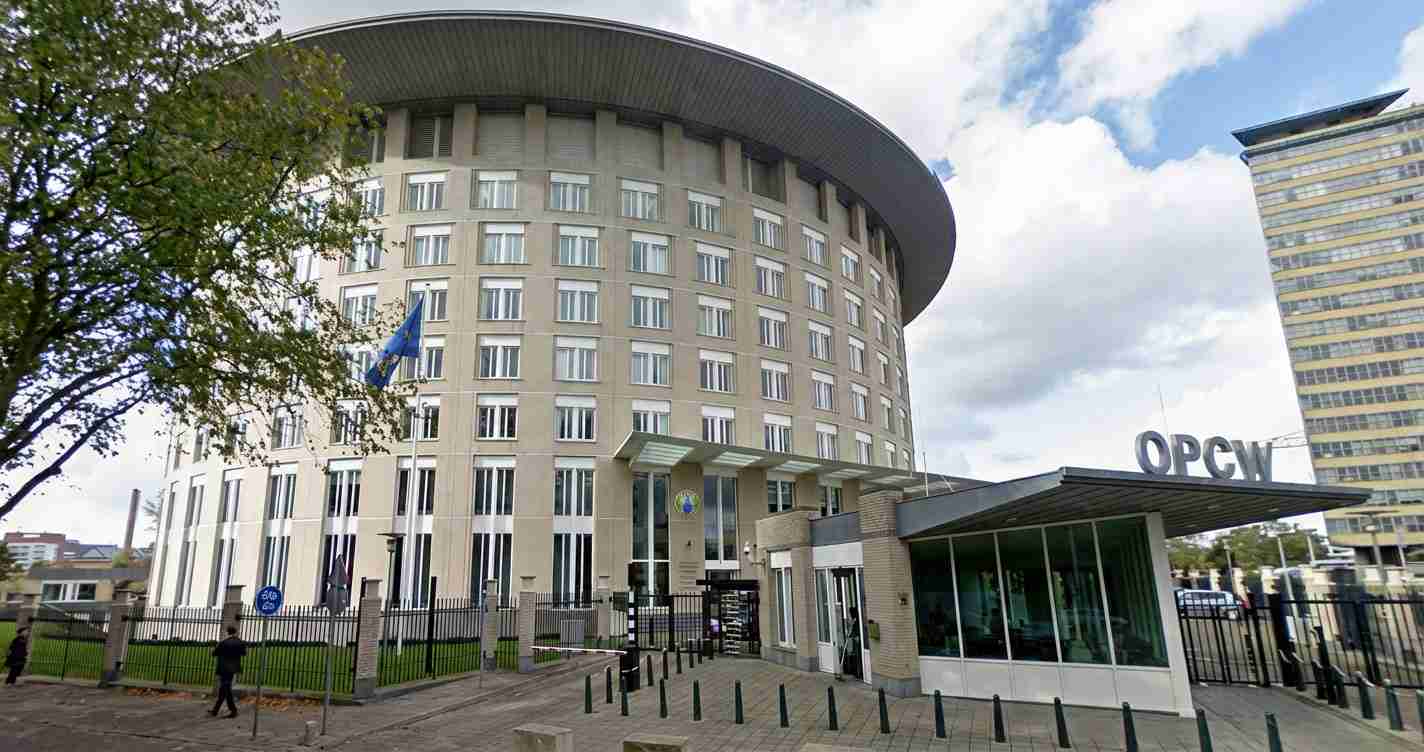
“The United States, its allies and the Organization for the Prohibition of Chemical Weapons (OPCW) should investigate credible claims that Iran’s regime used chemical weapons against its own people,” — Andrea Stricker, FDD.
FDD emphasizes that chemical evidence can be difficult to detect: agents may be novel or altered to evade routine testing, and samples degrade rapidly. The group therefore urges rapid, on‑site collection and independent forensic analysis — see the FDD media call transcript for related remarks.
FDD’s recommendations and proposed actions
Andrea Stricker and FDD recommend a stepped response focused on verification, pressure and contingency planning:
- OPCW-led investigations: Open independent probes, allow forensic teams access, preserve chain-of-custody and coordinate sample analysis — immediate action is urged in the FDD report.
- Public pressure campaign: Highlight alleged CWC violations, set compliance deadlines and require monitoring and verification steps, as outlined in FDD analysis.
- Consider targeted strikes: If diplomacy and pressure fail and the program persists, FDD recommends consideration of strikes on chemical research and production facilities to halt development; see the media call transcript for direct quotes.
- Encourage regional compliance: FDD also suggests encouraging states such as Israel to ratify the CWC to strengthen OPCW credibility and enforcement coordination.
International context and risks
The FDD report appears amid ongoing diplomacy over Iran’s nuclear program, with indirect talks held via Oman in Geneva. Many experts remain skeptical about major concessions from Tehran on nuclear or proxy issues. The report warns that failing to address a covert chemical program could endanger civilians, complicate military planning and raise the stakes for regional escalation.
U.S. forces have increased presence in the region, including carrier deployments, and policy moves such as NSPM‑2 (February 2025) have signaled a tougher posture toward Iranian weapons programs. FDD cautions that unresolved chemical threats could also be transferred to proxies in Iraq, Syria or elsewhere, amplifying proliferation concerns — recommendations and analysis are in Countering Iran’s covert chemical weapons program.
Implications for Fresno, California
Economic impact: Any major U.S. military action or new sanctions tied to Iran could raise global oil and shipping costs, increasing expenses for Fresno growers, processors and businesses that rely on freight. Higher fuel and transport costs may squeeze margins and raise consumer prices in the Central Valley.
Political consequences: Fresno’s moderate electorate may press local leaders and members of Congress to clarify stances on investigations, military options, humanitarian support or refugee assistance.
Social and cultural effects: Diaspora communities in Fresno with ties to Iran may experience fear and trauma; local clinics, faith groups and civic organizations could host vigils, information sessions and provide mental‑health support. Public health and emergency services may consider refresher training in recognizing chemical‑agent symptoms and handling potential exposures.
FDD’s reporting suggests local civic engagement could focus on demanding transparent international investigations, prioritizing humanitarian aid, and preparing municipal services for potential refugee arrivals — see FDD resources at FDD Iran Program overview.
Evidence and verification challenges
FDD stresses that forensic confirmation is essential. Agents may be modified to avoid detection and samples degrade quickly; prompt on‑site collection by credible international teams is critical. The report asks the OPCW and national governments to coordinate to secure environmental and medical samples and preserve a verified chain of custody — detailed recommendations are in the FDD report.
Reporting and source links
- FDD report: “Did Iran use chemical weapons on protesters?”
- FDD analysis: “Countering Iran’s covert chemical weapons program”
- FDD media call transcript (previewing talks with Iran)
- Fox News summary and reporting on related allegations
- FDD Iran Program overview and related resources
Continued coverage: The FDD report raises serious questions that require independent international scrutiny. Confirmation would require OPCW coordination, field forensics, medical analysis and verified chain‑of‑custody evidence. For Fresno residents, the coming weeks could influence foreign policy debate and local planning on refugee assistance, public‑health readiness and economic risk management.