Trump: US Begins “Major Combat Operations” in Iran with Israel in Operation Epic Fury
President Donald Trump announced on February 28, 2026, that the United States has begun “major combat operations” in Iran alongside Israel under Operation Epic Fury, targeting nuclear, missile and terrorist threats amid reports of explosions and vows of retaliation.
Key takeaways
- Operation Epic Fury: The U.S. joined Israeli strikes that officials say targeted imminent threats including suspected nuclear, missile and naval sites.
- Regional clashes: Explosions and missile interceptions were reported across northern Israel and Gulf states near U.S. bases; Iran vowed “crushing” retaliation.
- Domestic impact: Fresno residents could face higher fuel and food costs, trade delays and local effects on military families and civic life.
Main coverage
What the president said
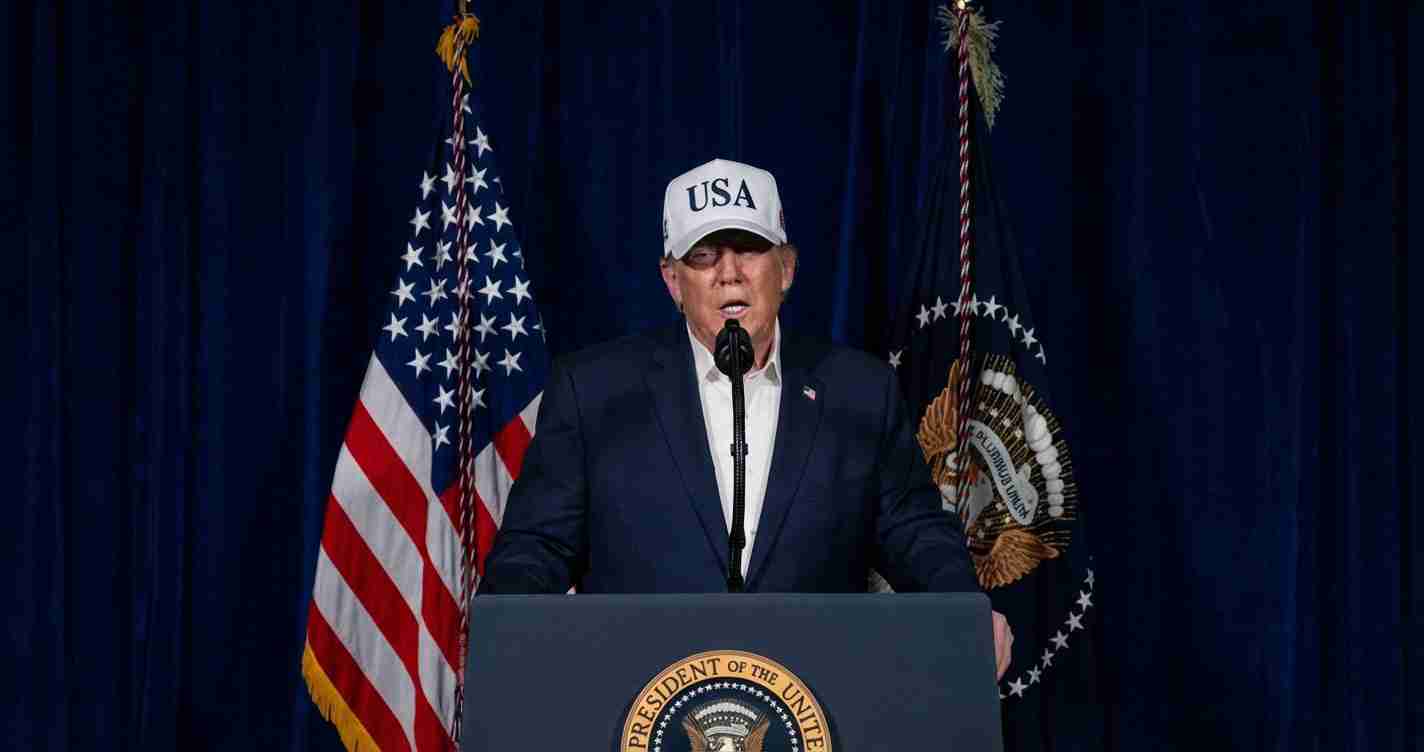
In brief video remarks, President Trump described Iran’s rulers as “a vicious group of very hard, terrible people” and accused the regime of carrying out “mass terror.” He said Operation Epic Fury is meant to defend Americans by eliminating imminent threats and reiterated that “this terrorist regime can never have a nuclear weapon.” Trump warned Iranian forces to “lay down your arms” or face “certain death,” and urged Iranian civilians to “take over your government.” See the Trump video remarks and contemporaneous reporting.
Scope of the strikes
U.S. and allied statements say Israel launched a large pre‑emptive strike on Tehran early Saturday while U.S. forces struck sites officials judged to pose “imminent threats,” including suspected nuclear and missile production centers, naval elements and facilities tied to proxy groups. Officials described Israel’s focus as Iran’s leadership while the United States concentrated on infrastructure and assets that presented immediate danger. See initial coverage from Euronews and analysis at Politico.
Immediate aftermath and damage reports
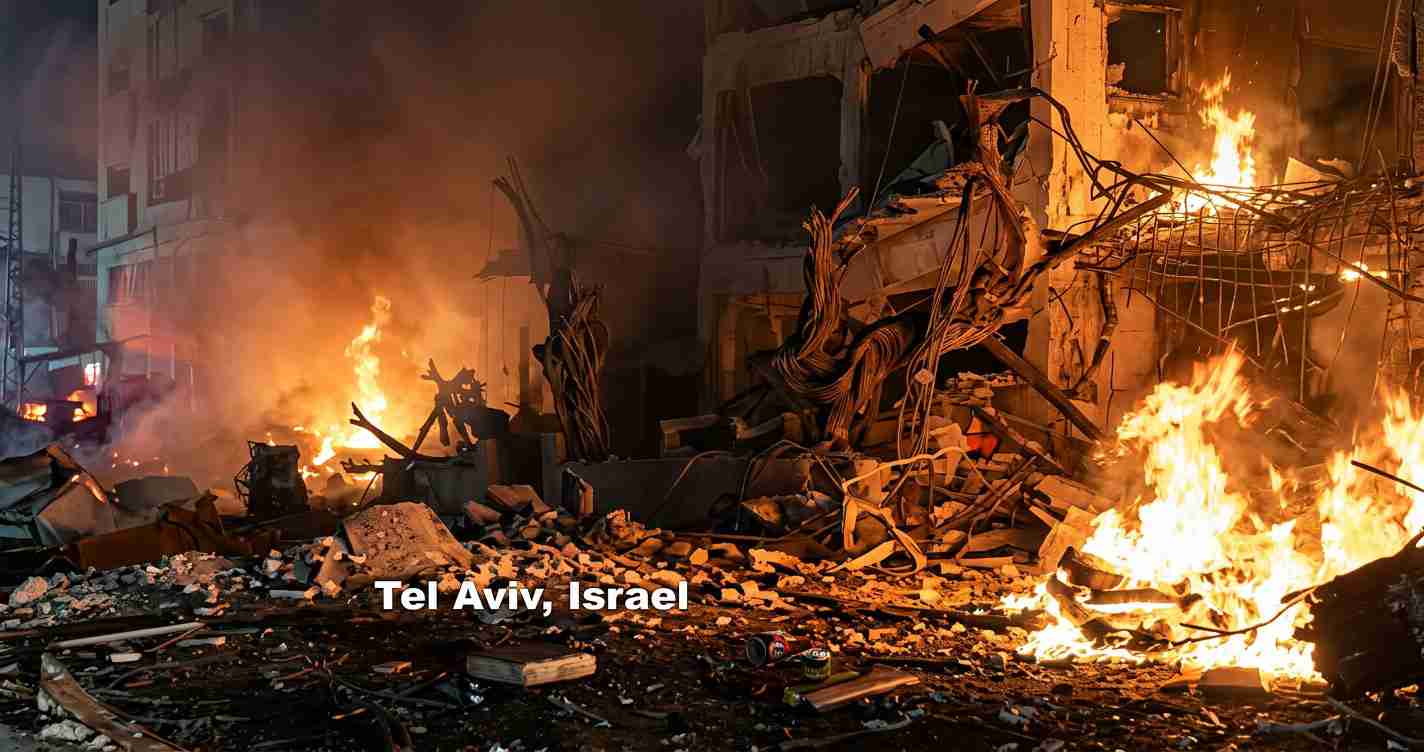
News outlets reported explosions and missile interceptions over northern Israel after the initial strikes. Blasts were also reported in the United Arab Emirates, Kuwait and Bahrain — some near U.S. facilities such as the U.S. Fifth Fleet in Bahrain and Al Udeid Air Base in Qatar. At the time of reporting there were no independent confirmations of large‑scale casualties; President Trump acknowledged Americans could be lost, calling any such losses “courageous American heroes.” See contemporaneous Euronews and CBS News reporting.
“Lay down your arms” or face “certain death,” the president warned, urging civilians to take action against the regime.
Iran’s response
Iranian leaders vowed “crushing” retaliation. Tehran’s state media and officials warned they would respond but did not provide a timetable or detailed targets. Analysts and U.S. officials warned rapid escalation could draw in more forces and disrupt global trade and energy markets — an outcome multiple outlets highlighted in live coverage (Euronews).
How we got here — recent history and the run-up to the strikes
The attacks cap months of rising tensions over Iran’s nuclear program and regional behavior. Key developments:
- June 2025 strikes: The U.S. carried out Operation Midnight Hammer against Iranian nuclear sites at Fordow, Natanz and Isfahan after intelligence suggested weapons development had resumed; reports said the strikes severely damaged parts of Iran’s nuclear infrastructure (Euronews, Trump video remarks).
- January 2026 protests: Mass street protests in Iran were met with a harsh crackdown; President Trump warned of strikes “far worse” than the June action if Iran continued weapons development (CBS News reporting).
- Diplomacy and deployments: Late‑2025 and early‑2026 talks failed to limit Iran’s programs. On January 28 the U.S. deployed what the administration called a “massive Armada” to the Persian Gulf. Officials pushed for Iran to give up weapons and ballistic missiles; Secretary of State Marco Rubio noted Iran’s refusal to discuss missiles. Trump told Israeli Prime Minister Benjamin Netanyahu he would back strikes if necessary (Euronews analysis).
- Options considered: Planners weighed cyber operations, targeted strikes, broader air campaigns and psychological operations; military leaders warned even limited strikes could widen into regional war (CBS News).
Officials and reporting
Key details and rationale have come from U.S. and allied officials quoted in reporting. Summaries of White House and Pentagon statements were provided by Politico and CBS News. Euronews documented the initial Israeli strikes and Iran’s response; the president’s remarks are on social platforms.
Why officials say the strikes were ordered
U.S. leaders framed Operation Epic Fury as necessary to stop an imminent danger: advancing nuclear work, expanded ballistic missile capacity and a network of proxy forces blamed for attacks on U.S. allies. The administration said months of diplomacy failed to secure limits on Iran’s programs and that military action followed Iran’s rejection of proposals (Politico, CBS News).
Implications for Fresno, California
Economic impact
- Fuel and food costs: A spike in oil prices and disrupted shipping could raise gas prices and increase costs for goods shipped to California; Fresno’s agricultural economy may face higher freight and fertilizer costs.
- Trade and export delays: Central Valley farmers rely on West Coast ports; slowed shipping or higher insurance costs could delay exports of fruit, nuts and vegetables, causing short‑term losses.
Political consequences
- Local leaders and Congress members will face pressure to respond and to clarify support for service members and economic protections.
- Public safety spending and emergency preparedness may be spotlighted if federal resources shift.
Social effects
- Military families: Fresno is home to service members and an Air National Guard presence; losses or extended deployments could affect families and communities.
- Community response: Expect peaceful vigils, rallies and debates; nonprofits and faith groups may organize humanitarian support or assistance for military families.
Cultural relevance
- Many Fresno families have international ties; the conflict may impact residents emotionally and spur increased interest in global affairs in schools and local media.
Practical applications for residents
- Travel and security: Monitor federal travel advisories and airline notices.
- Local preparedness: Review emergency plans, check county alert systems and heed requests for blood donations or support for military families.
- Civic engagement: Expect calls for town halls and statements from local leaders and Congressional representatives.
Sources and ongoing coverage
Reporting and official statements used in this article include coverage from Euronews, Politico, CBS News and the president’s posted remarks on video platforms. Live reporting continues as officials provide more details and as Iran’s promised retaliation unfolds.
Further updates will depend on official briefings from the White House, Pentagon, Israeli authorities and Tehran, and on independent verification of damage and casualties in the region.