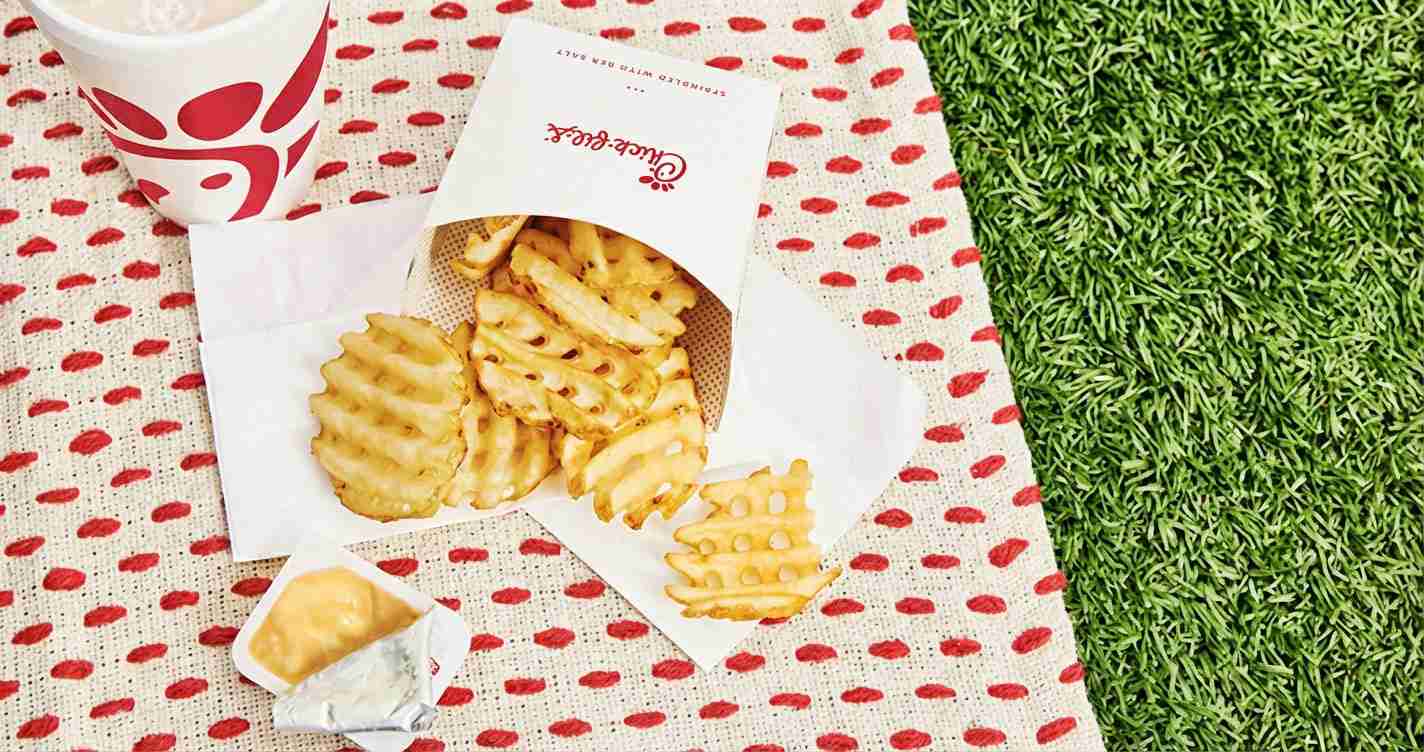
Chick-fil-A reverses 2024 tweak to Waffle Fries recipe after customer complaints; pea starch removed
Chick-fil-A has reverted a 2024 tweak and removed pea starch from its Waffle Fries coating after widespread customer complaints about altered taste and texture, restoring the original flavor profile across its restaurants in early March 2026.
- Pea starch removed: Chick-fil-A updated ingredient listings and confirmed pea starch is no longer in Waffle Fries.
- Recipe now lists: modified corn, potato and tapioca starches, rice flour, salt, leavening agents and seasonings — no pea starch.
- Customer backlash: Fans said fries tasted different; social media pressure helped prompt the rollback.
Background on the 2024 change
In 2024 Chick-fil-A tested and added pea starch to the Waffle Fries coating after extensive trials. Engineers said the goal was operational — to help fries stay crispier for longer because pea starch’s higher amylose content can maintain crunch. The tweak targeted the coating only, not the potato itself, and matched an industry-wide push to improve hold-times for fried sides.
Why customers complained
The coating change quickly generated online backlash. Longtime fans — some since the fries debuted in 1985 — reported a different mouthfeel and flavor. Common descriptions included “bland,” “too hard,” or missing the familiar starchy taste. Social channels amplified reactions, with threads and posts accumulating thousands of responses in days.
“Love that they’re crispier, but they are pretty bland now.” — Reddit user
Allergy concerns and legume questions
Some customers raised questions about allergen risks because pea starch is legume-derived. Food safety experts note that pure starches generally contain minimal protein that triggers legume allergies, and pea starch is not always listed as a major allergen — but the mere mention of a legume ingredient in a long-standing favorite heightened consumer concern.
The reversal in 2026
In early March 2026 Chick-fil-A updated its website and ingredient listings to remove pea starch from Waffle Fries. The company’s site directly answers the question “Does your Waffle Fry recipe contain Pea Starch?” with No. A company representative confirmed that inventory containing pea starch had been depleted and that the change is now reflected across ingredient pages.
Customer responses were mixed: some immediately reported fries “tasted how they used to,” while others said they preferred the crispier 2024 version and would miss it.
What’s in the current Waffle Fries recipe
Chick-fil-A’s online nutritional information lists Waffle Fries as potatoes cooked in canola and vegetable oils, coated with modified food starches (corn, potato and tapioca), rice flour, salt, leavening agents and seasonings. The current ingredient list no longer mentions pea flour or pea starch, and standard calorie/nutrient counts are available for common serving sizes (for example, a medium serving is listed at roughly 420 calories).
Customer reaction and social media fallout
The rollback highlights how social media feedback can influence large restaurant chains. Viral posts, influencer comments and high-engagement threads elevated the story into mainstream coverage. Reactions split: many celebrated the return to the original flavor, while a smaller group lamented losing the crisper hold-time produced by pea starch.
Wider context: recipe changes and supply issues
The fry reversal fits a broader pattern: during 2024 Chick-fil-A adjusted several menu items to navigate supply chain and sourcing challenges, including changes in poultry sourcing. The fries decision shows the balance chains must strike between operational goals (consistency, hold-time) and customer expectations tied to taste and tradition.
Implications for Fresno, California
Economic impact: Chick-fil-A is popular in Fresno and the Central Valley. Restoring the original fry recipe could recover sales from customers who reduced visits after the 2024 tweak. Delivery partners and third-party apps may see fewer refund requests tied to perceived quality changes.
Political consequences: While ingredient tweaks rarely spark formal politics, allergy and labeling concerns can attract attention from local officials. The prompt rollback and clearer online listings reduce the chance of local complaints but also serve as a reminder that transparency matters.
Social and cultural effects: Waffle Fries are a casual staple for families, students and workers. For Fresno State students and local families, a return to the familiar flavor is a small but visible win for daily routines.
Practical applications for residents
- Ordering and takeout: Customers who avoided fries for texture reasons may resume ordering Waffle Fries, benefiting local franchise sales and delivery drivers.
- Allergy-aware customers: Updated ingredient listings should help those with legume sensitivities make informed choices, but anyone with severe allergies should confirm details with staff or official pages before ordering.
- Catering and events: Organizers who prefer the original texture may feel more confident booking Chick-fil-A fries for events.
What Fresno consumers should watch for
Residents should check local Chick-fil-A ingredient listings and ask staff about cooking and coating practices. If a Fresno location’s fries seem different, document it and report to store management or social channels — customer feedback influenced this outcome. For food sensitivities, always confirm current ingredient lists online or in-store before ordering.
Sources and further reading
- Chick-fil-A reverses change to Waffle Fries recipe, 963 KKLZ — reporting on company confirmation and customer reaction.
- Coverage of recipe change and customer complaints, The Daily Meal — ingredient listings and nutrition details.
- Trending coverage of fries recipe change, Boston 25 News — social reaction and trending coverage.