Texas National Guard Illinois: 200 Troops Staged Near Chicago in Federal Protection Mission as Pritzker, Chicago Sue
Approximately 200 Texas National Guard troops were staged near Chicago in early October 2025 under a federal protection mission authorized by President Donald Trump, prompting a lawsuit from Illinois Governor JB Pritzker and Chicago Mayor Brandon Johnson.
Key takeaways
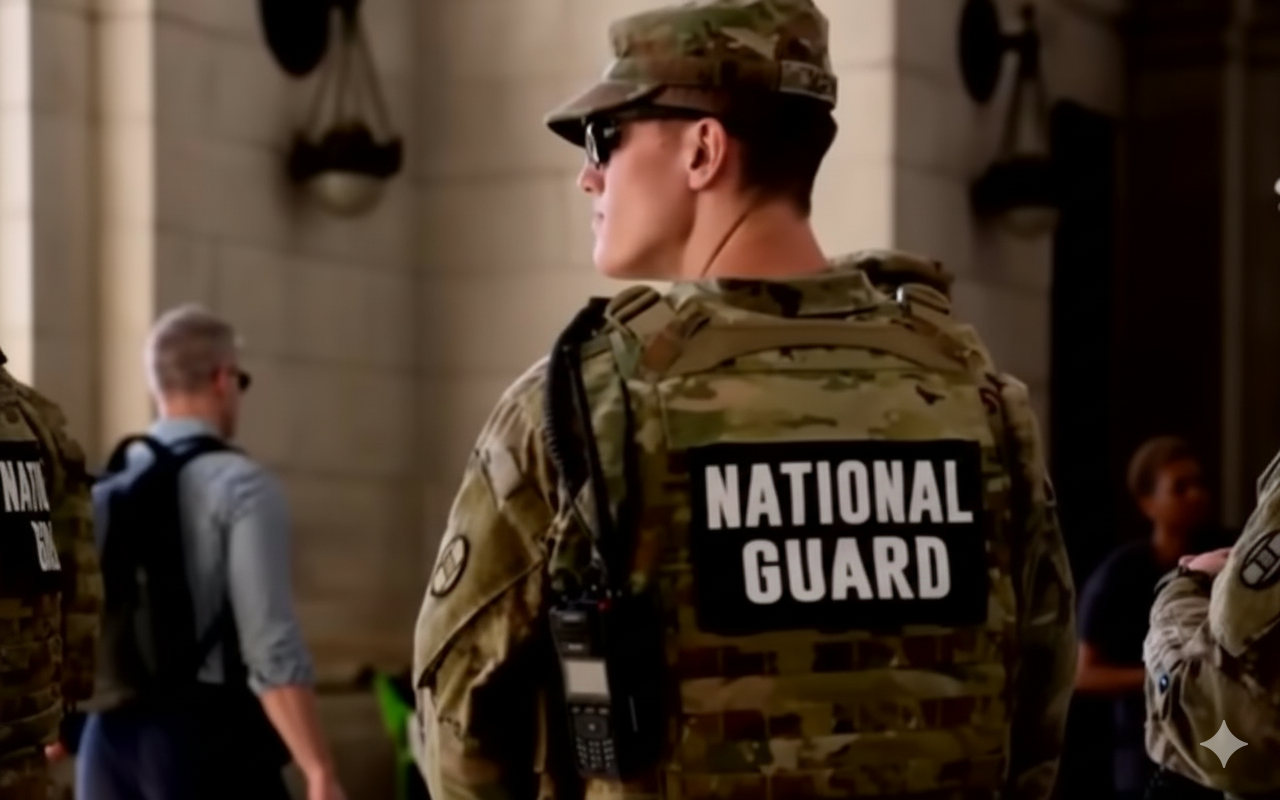
- About 200 Texas National Guard troops were flown to Illinois and staged at the U.S. Army Reserve Center in Elwood to protect federal assets (Stars and Stripes; Military Times).
- The Pentagon says the mission is a federal protection mission, limited to protecting federal personnel, functions and property and could last up to 60 days (Stars and Stripes; Fox News).
- Pritzker and Mayor Johnson sued to block the deployment, calling it unlawful; a federal judge ordered a response within two days and scheduled a hearing (Military Times).
- The deployment has intensified a federal-local power struggle and renewed debate over presidential authority to use military forces domestically (Sky News).
What happened and why officials say it was ordered
Federal officials, with White House authorization, directed Texas National Guard members to travel to Illinois in early October 2025 as part of what the Pentagon described as a federal protection mission. Officials said the deployment followed a series of protests targeting federal immigration facilities and an incident near a Broadview ICE facility where federal agents reported being rammed and boxed in by vehicles; that incident prompted the Department of Homeland Security to dispatch additional special operations personnel (Fox News).
“The forces are tasked with protecting federal personnel, functions and property, not conducting local law enforcement,” Pentagon officials said, while noting the operation was authorized under federal orders tied to presidential authority and could run up to 60 days (Stars and Stripes).
Where the troops are staged
About 200 Texas National Guard troops were positioned at the U.S. Army Reserve Center in Elwood, roughly 55 miles southwest of downtown Chicago. Local and state officials report the units are staged outside the city while legal and political actions play out. Reports also indicate that roughly 300 Illinois National Guard members were activated to assist with security planning and coordination (Military Times; Stars and Stripes).
Legal challenge: the Pritzker–Trump lawsuit
Illinois Governor JB Pritzker and Chicago Mayor Brandon Johnson filed suit seeking to block the deployment, arguing the federal action is unlawful and likely to inflame tensions rather than reduce disorder. A federal judge ordered the administration to respond within two days and scheduled a hearing later in the week, highlighting the fast-moving constitutional and statutory questions about deploying one state’s Guard to another state’s soil (Military Times).
Local leaders’ reactions
Mayor Brandon Johnson called the deployment “illegal, unconstitutional, dangerous and wrong” and criticized the lack of coordination with city government; he also signed an executive order creating “ICE-free zones” to prevent federal immigration agents from using city-owned property for enforcement activities (Fox News).
Governor JB Pritzker accused the administration of using National Guard members as “political props” and “pawns”, asserting the move aims more to score political points than to solve practical security problems (Military Times).
Federal and state supporters
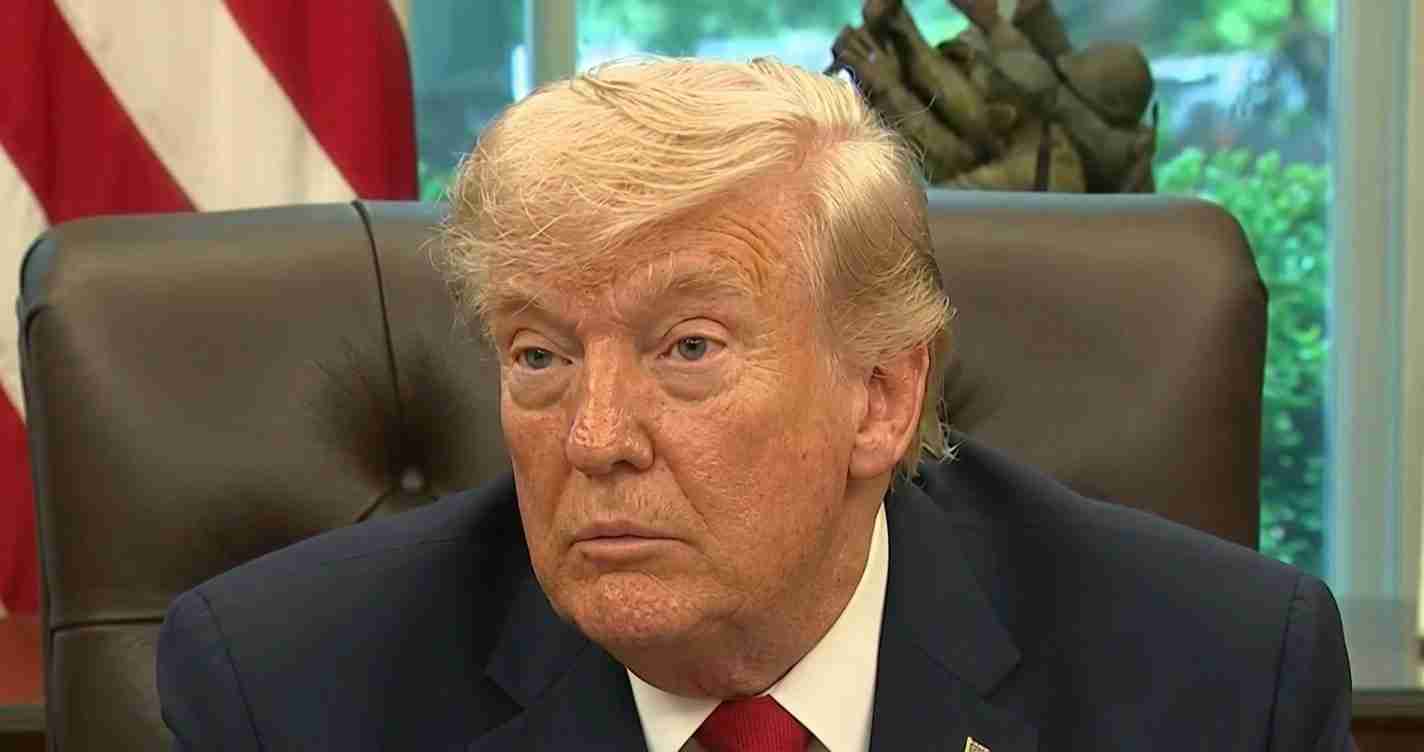
President Trump framed the deployment as necessary to restore order and protect federal sites amid protests tied to immigration enforcement, employing “law and order” rhetoric and suggesting further measures if local authorities failed to cooperate (Stars and Stripes; Sky News).
Texas Governor Greg Abbott publicly backed the mission, saying Texas troops were “on the ground and ready to go”, and emphasizing they would help protect federal property and enforce federal law as part of the protection mission (Military Times; Fox News).
Federal-local dynamics and history
The clash echoes prior disputes over presidential authority to use military resources domestically. The Trump administration previously faced judicial limits when attempting to deploy troops to Portland, Oregon; the Chicago deployment raises similar constitutional questions about when and how the federal government may use National Guard personnel from one state on another state’s territory (Stars and Stripes).
Public response and protests
The presence of out-of-state Guard troops has intensified demonstrations in and around Chicago. Supporters argue the deployment protects federal buildings and staff during heightened immigration-linked protests; opponents warn it could escalate tensions and turn the Guard into a political instrument. News outlets reported increased activism around federal facilities and staging areas after the troops arrived (Fox News; Sky News).
How long the mission will last
Pentagon officials stated the mission could run up to 60 days. The timeline is subject to legal challenge: the Pritzker–Trump lawsuit may alter or end the deployment sooner if courts find the federal move unlawful (Stars and Stripes).
Sources and reporting
This article draws on multiple outlets and official statements, including Stars and Stripes, Military Times, Fox News, and Sky News.
Implications for Fresno, California
Although Fresno is not directly involved, the national political fallout could have indirect consequences:
- Economic impact: Federal shifts in spending priorities or grants toward enforcement could affect housing, mental health or public-safety funding for Fresno programs.
- Political consequences: Local leaders and candidates may face pressure to respond or align messaging with national debates over federal power and immigration.
- Social effects: Fresno’s large immigrant community and service organizations could experience heightened fear and demand for legal aid, counseling and outreach.
- Cultural relevance: Faith groups and advocacy organizations may organize demonstrations, information sessions and legal clinics, mirroring actions seen in Chicago.
- Practical actions for officials: City and county leaders should review communications plans, coordinate legal outreach and prepare schools and social services for community questions.
Ongoing coverage note
The legal fight is active and the situation remains fluid. Federal officials maintain the mission is limited and defensive; local leaders insist the deployment is unlawful and risks escalation. Courts are set to weigh competing claims as the timeline and posture of the mission develop (Military Times; Stars and Stripes).