John McEnroe Pickleball Views: Tennis Icon Slams the Game’s Name and Sound — Even as He Cashes In
Legendary tennis player John McEnroe has publicly criticized pickleball’s name, sound and appeal while regularly appearing in high‑pay exhibitions; this piece examines his contradictory stance and what it means for the sport’s growth and local communities like Fresno.
- McEnroe derides pickleball’s name and sound yet admits participating in well‑paid exhibitions.
- His comments echo broader debates about noise, TV viability and pickleball’s cultural standing.
- Local impact (e.g., Fresno) includes economic boosts, political tradeoffs and social benefits.
Main content
McEnroe’s history of criticism
John McEnroe’s skepticism toward pickleball is well documented. He has described it bluntly — saying “I think it sucks” and calling himself “not a convert” — and he’s expressed irritation at the repeated label of pickleball as the “fastest‑growing sport” in America. Reporting and compilations of his remarks are available via The Dink Pickleball and Awful Announcing, which illustrate his consistent tone across interviews.
The MacZone exchange with Genie Bouchard
On The MacZone, McEnroe and his brother Patrick hosted former tennis pro Genie Bouchard, who now plays pro pickleball. McEnroe joked that Bouchard had “left the sport to play that damn stupid pickleball,” then admitted he had played a couple of pickleball event weekends and was paid handsomely for them — framing those appearances as a form of “selling out.” Accounts of the segment and McEnroe’s usual commentary appear in coverage summarized by Awful Announcing and The Dink Pickleball. A relevant clip of a related appearance can be found among YouTube interview clips.
McEnroe Pickleball Money: paid appearances and prize purses
Financial incentives are central to the critique of McEnroe’s stance. He has appeared in televised exhibitions and events advertised with large purses — some events marketed around seven‑ and eight‑figure pools — and has said financial offers motivated his appearances. One reported televised event with a potential $1 million purse illustrates the sums involved. Critics label his participation “selling out,” noting he has acknowledged that short pickleball stints sometimes paid more than certain tennis appearances (coverage: Awful Announcing).
Pickleball sound criticism and the “wiffle ball” problem
A recurring target of McEnroe’s ire is the ball’s sound. He contrasts tennis’s satisfying “thwack” with pickleball’s sharper “plink” and “plonk,” calling the noise a “big negative.” That complaint mirrors community noise concerns nationwide, where the high, hollow popping has sparked complaints and legal disputes in some places. McEnroe argues the sound undermines the sport’s gravitas and spectator appeal (see Awful Announcing).
The name: too goofy to be taken seriously?
McEnroe has mocked the name, recounting assumptions it was a made‑up gym game and noting how the whimsical term “pickleball” can undermine perceptions of seriousness. That branding, paired with the plastic ball’s sound, helps explain why some traditional racket‑sport fans treat pickleball as a novelty rather than a professional sport. Reporting compilations on this angle include The Dink Pickleball.
McEnroe’s grudging respect and practical view
Despite sharp critiques, McEnroe concedes some positives: he called pickleball an “equalizer,” noting it’s easy to pick up and social. He has observed that some casual players transition from pickleball into tennis, and he admits enjoyment of the social side and playing with friends — even while refusing to equate the sport with tennis in skill or tradition (sources: Awful Announcing; The Dink Pickleball).
Public and media reaction
Coverage treats McEnroe’s remarks as on‑brand — blunt and provocative. Pickleball communities sometimes amplify his quotes for attention, traditionalists applaud his defense of tennis, and others criticize his stance as generational or elitist. Many argue accessibility and fun outweigh concerns about sound or a whimsical name (coverage and reaction: The Dink Pickleball; Awful Announcing).
McEnroe on television and livestream platforms
McEnroe questions whether pickleball can be a compelling TV product, likening televised coverage to ping‑pong and questioning how small courts and a light ball translate to broadcast drama. Yet televised exhibitions featuring big names — including McEnroe — indicate broadcasters are testing commercial potential. The sustainability of TV ratings beyond novelty events remains an open question (analysis: Awful Announcing).
Sources and context
Key reporting and context for McEnroe’s statements and the broader debate include coverage from Awful Announcing, summary and quotes compiled by The Dink Pickleball, representative interview clips available among YouTube interview clips, and forum discussions collecting fan reaction at forum discussions.
Implications for Fresno, California
Economic impact
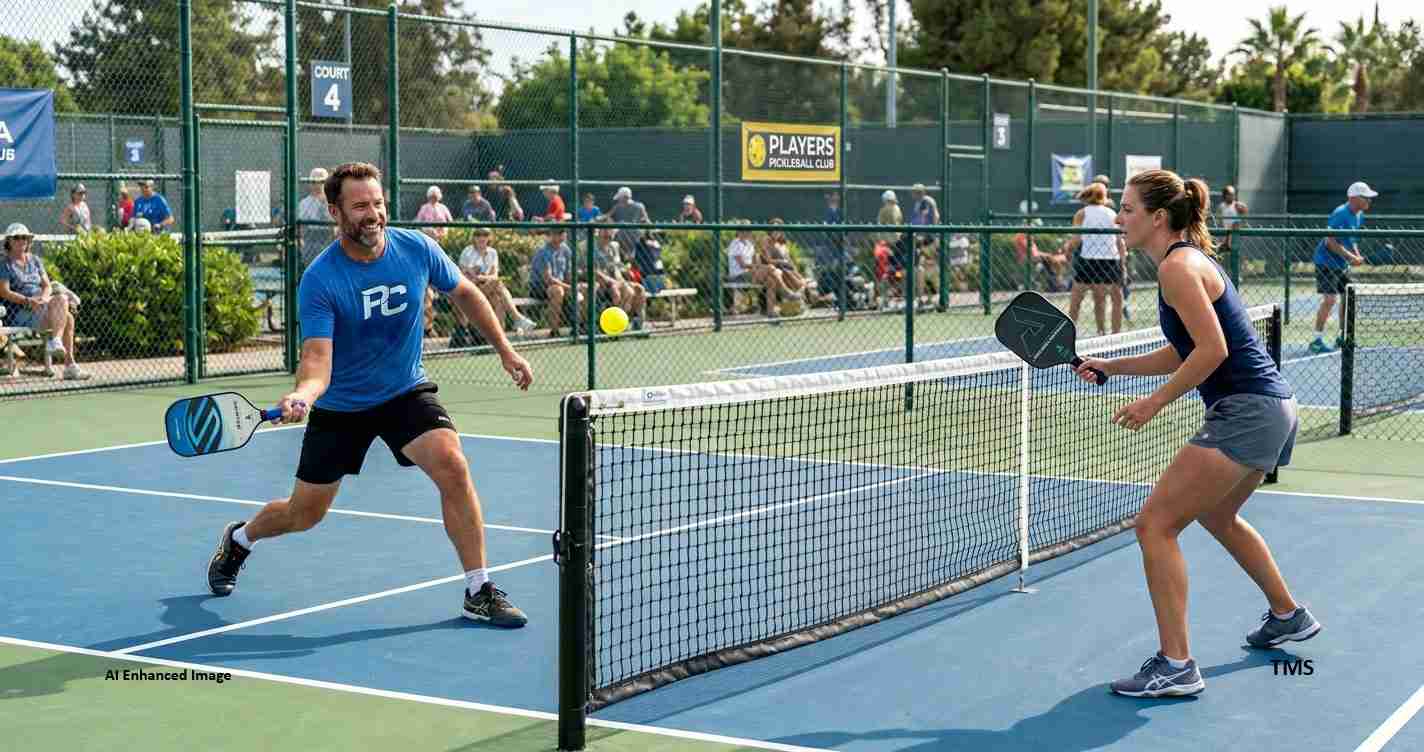
Pickleball’s boom is visible in California communities, including Fresno. Growing demand for courts benefits small businesses — coaches, equipment shops, event promoters — and celebrity exhibitions can drive larger crowds and payouts for promoters. Local providers should prepare for short‑term event boosts and steady recreational demand.
Political consequences
Noise complaints and court allocation can become municipal issues. Fresno officials will balance recreation expansion with resident concerns about noise and traffic. Parks departments must manage budgets, permitting, hours of operation, and consider sound‑mitigating investments.
Social effects
Pickleball’s accessibility makes it popular across ages. It supports social connection and low‑impact exercise for older adults and newcomers, aiding public health goals. Yet some tennis players feel displaced when courts are converted; shared scheduling remains a pragmatic challenge.
Cultural relevance
McEnroe’s critiques may amuse tennis purists in Fresno, but many residents prioritize accessibility and community. Recreation planners should conduct outreach highlighting benefits while addressing noise and access concerns.
Practical applications for residents
- Expect more court conversions and dedicated facilities; check Fresno Parks and Recreation for schedules and permits.
- If noise concerns affect you, contact city officials about sound mitigation and permitted hours.
- Local businesses can plan pop‑up tournaments or pro exhibitions; nonprofits might offer affordable clinics to expand access.
Closing note
John McEnroe’s public disdain for pickleball — from name to noise — coexists with his participation in lucrative events. That contradiction underscores wider debates about the sport’s cultural legitimacy, economic footprint and local policy tradeoffs across cities like Fresno.