
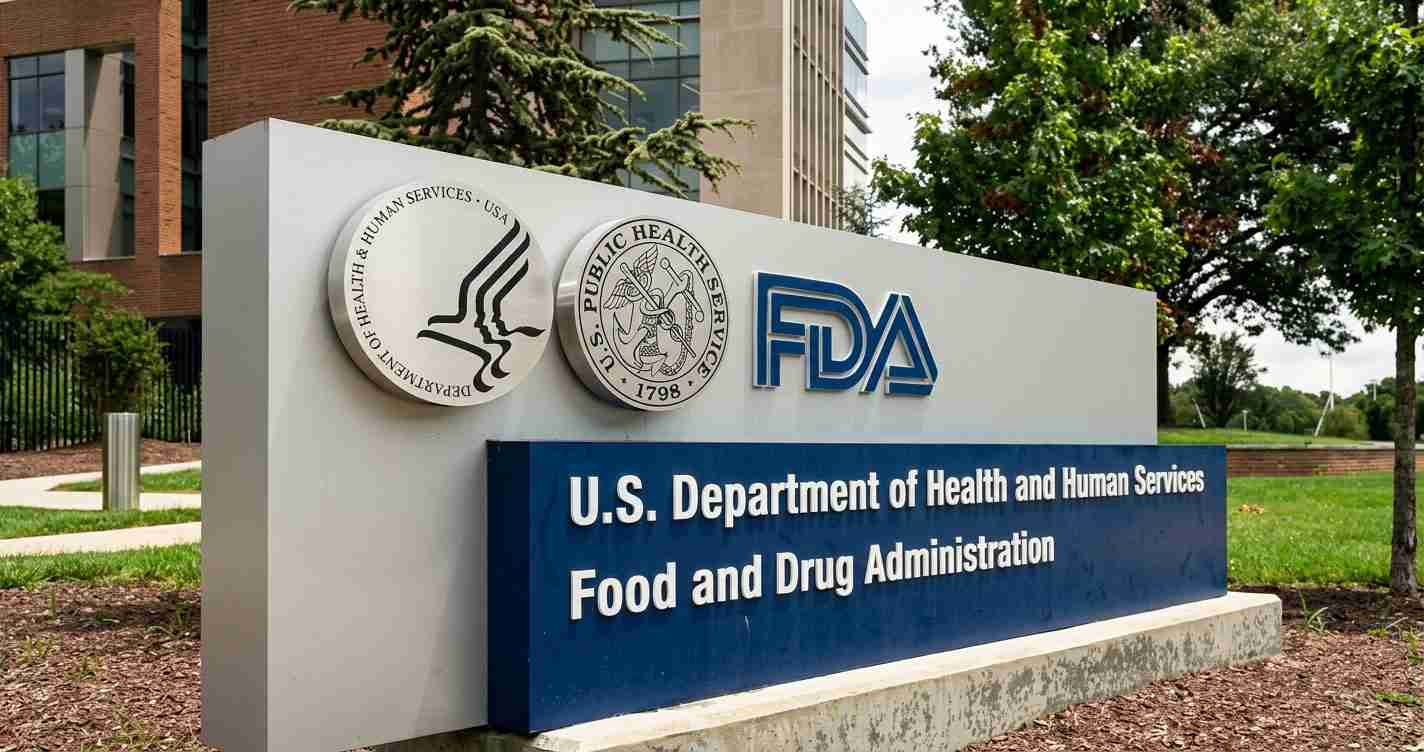
FDA moves to add bemotrizinol to U.S. sunscreens — first new active ingredient in 26 years; Parsol Shield slated for 2026
The FDA has proposed adding bemotrizinol, a widely used European UV filter, to the U.S. OTC sunscreen monograph — the first new active ingredient in 26 years — with Parsol Shield expected to launch in 2026.
- Proposed change: FDA issued a proposed administrative order to amend OTC monograph M020 to allow bemotrizinol.
- Concentration limit: The proposed maximum is up to 6% bemotrizinol in OTC sunscreens.
- Safety: The agency characterized bemotrizinol as GRASE for adults and children 6 months and older.
- Market timing: DSM plans to market it as Parsol Shield with a reported 2026 launch and an 18‑month exclusivity period.
What the FDA proposed and why it matters
The FDA’s action comes through the OTC monograph process, which sets ingredient standards for nonprescription drugs rather than approving individual products. The proposed administrative order would add bemotrizinol to monograph M020, enabling manufacturers to include the filter at concentrations up to 6% in over‑the‑counter sunscreens. The agency’s proposal is documented in its rule materials (FDA proposed administrative order and documentation (OTC monograph M020) and the Federal Register notice).
FDA officials noted the proposal helps close a gap between U.S. options and modern UV filters already used in Europe and elsewhere. The agency cited studies showing low skin irritation and limited systemic absorption, which supported its determination that bemotrizinol is Generally Recognized As Safe and Effective (GRASE) for adults and children aged 6 months and older (see the peer‑reviewed summary: Peer‑reviewed summary on UV filters and safety and the FDA Q&A on sunscreen proposed and deemed orders).
Agency comments and industry timing
FDA Commissioner Marty Makary and Karen Murry, acting director of the Office of Nonprescription Drugs, framed the move as part of efforts to modernize sunscreen regulation and expand safe choices. As Murry put it, bemotrizinol is “a welcome addition” to available ingredients and the agency aims to speed access to safe actives.
Dutch firm DSM Nutritional Products plans to market bemotrizinol in the U.S. as Parsol Shield, with a reported launch later in 2026; under the regulatory plan DSM would have an 18‑month exclusivity period before other manufacturers could place bemotrizinol in their products (industry reporting summarized by the Associated Press and company statements).
Regulatory nuance: proposed order vs. final rule
The document the FDA issued is a proposed administrative order. That means the change is not final — the administrative monograph process includes public comment and review steps before a final order is issued. If finalized, the order would permit widespread use of bemotrizinol in OTC sunscreens; until then, manufacturers cannot rely on the monograph to market the ingredient widely in the U.S. (Federal Register notice).
How bemotrizinol works and how it compares
Bemotrizinol (also marketed as Tinosorb S in some regions) is a chemical UV filter that absorbs and blocks both UVA and UVB radiation. It is prized for broad‑spectrum protection and photostability (it resists breakdown in sunlight), which can translate to longer-lasting protection and improved performance for people outdoors for extended periods.
Because the U.S. has approved relatively few modern chemical filters, bemotrizinol would expand the toolbox available to sunscreen formulators — potentially offering different skin feel, greater durability in heat and sun, and improved resistance to photodegradation.
What consumers should know now
- Not yet widely available: Bemotrizinol is included in a proposed order and is expected to be sold initially as Parsol Shield in 2026; other brands could follow after the 18‑month exclusivity period.
- Follow existing guidance: The FDA continues to recommend a layered approach to sun safety — broad‑spectrum sunscreen with SPF 15 or higher, protective clothing, hats, sunglasses, and limiting sun exposure during peak hours (FDA Q&A on sunscreen proposed and deemed orders).
- Children: The FDA characterized bemotrizinol as GRASE for children 6 months and older; infants younger than 6 months should be kept out of direct sunlight and covered with protective clothing where possible (Peer‑reviewed summary on UV filters and safety).
Implications for Fresno, California
Economic impact
Fresno’s economy relies heavily on agriculture and outdoor labor. A new U.S. sunscreen ingredient like bemotrizinol — marketed as Parsol Shield — could become a selling point for local retailers and pharmacies and an option employers might consider for worker protection. The initial exclusivity window may concentrate early availability in particular supply chains, so local buyers should plan procurement accordingly.
Health and social effects
Central Valley residents, especially farmworkers and outdoor recreationists, face intense sun exposure. Improved broad‑spectrum filters could offer better protection during long work shifts and outdoor activities. Community health programs, school sports teams and clinics should note the expected timeline and continue to promote layered sun safety measures.
Political and regulatory consequences
Local officials and public health agencies may use the FDA’s proposal to promote sun safety outreach. The proposal also underscores discussions about FDA modernization and speed of OTC rulemaking — a topic local policymakers should present carefully given the change remains proposed, not final.
Cultural relevance and practical applications
For residents accustomed to outdoor life, a more photostable sunscreen could be culturally resonant — offering protection that feels different on skin and may last longer between applications. Public pools, summer camps and youth sports programs should prepare materials explaining that new options are coming but that existing recommendations (SPF 15+, reapply every two hours or after swimming/sweating) still apply.
Where to get more information locally
Residents should consult the Fresno County Department of Public Health and local clinics for guidance. Pharmacies and outdoor work safety suppliers in Fresno will likely announce stocking plans as Parsol Shield approaches its reported 2026 launch and after the exclusivity window ends.
Sources and further reading
- FDA proposed administrative order and documentation (OTC monograph M020)
- Federal Register notice
- Peer‑reviewed summary on UV filters and safety
- FDA Q&A on sunscreen proposed and deemed orders
- Industry/legal analysis
“Sunscreen remains one part of sun safety,” the FDA emphasized — recommending broad‑spectrum sun protection, clothing and limiting sun exposure.
Reporting compiled from FDA materials, federal register filings, peer‑reviewed research and industry reporting; marketing plans summarized from Associated Press coverage and company statements as reported in industry sources.



