Kim Jong Un parades newest ICBM as China, Russia leaders attend — a show of force and diplomatic backing
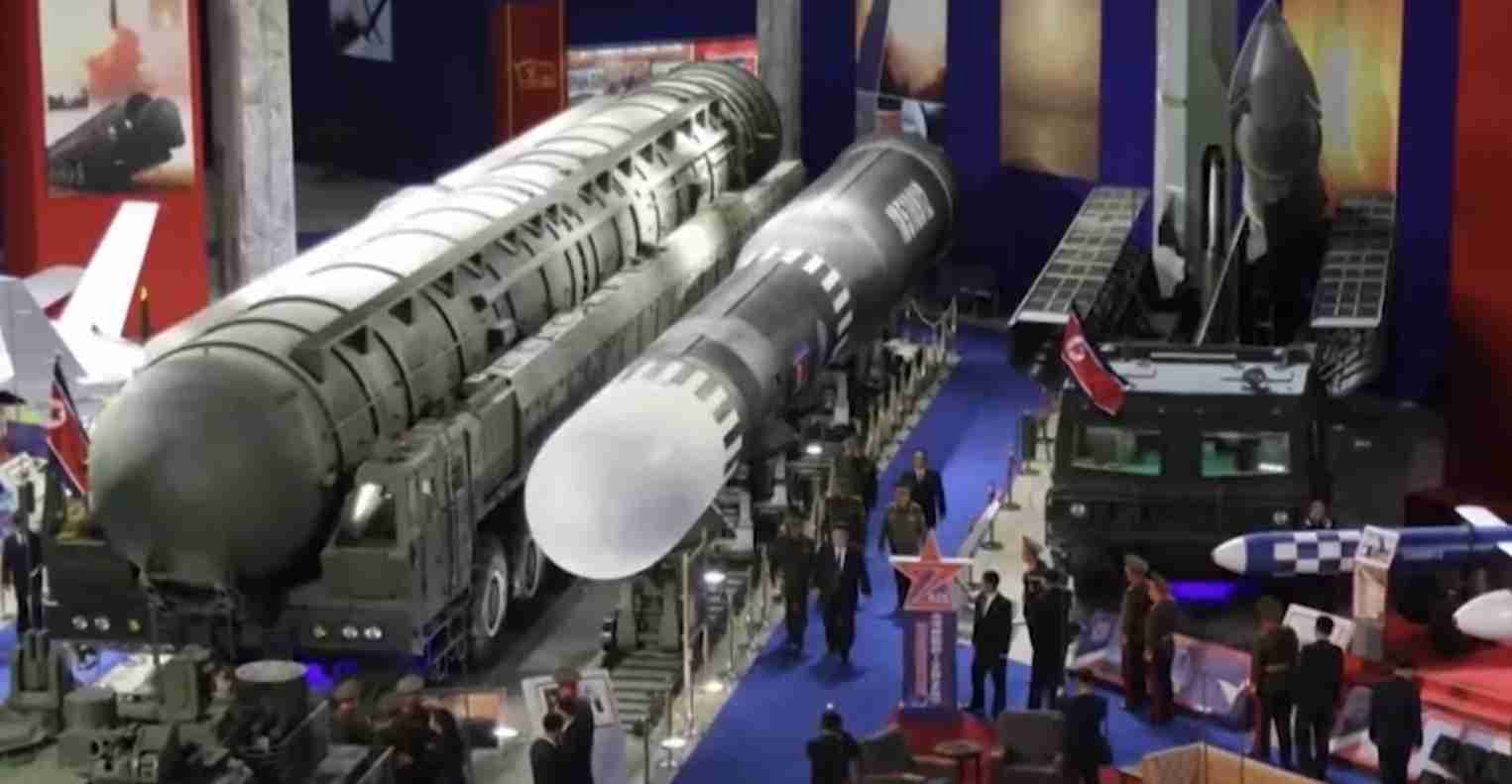
North Korean leader Kim Jong Un unveiled the country’s most powerful intercontinental ballistic missile during a massive Pyongyang military parade on Oct. 10, 2025, attended by Chinese Premier Li Qiang and Russian official Dmitry Medvedev.
Key takeaways
- Major display: North Korea rolled out what state media called its most powerful ICBM during the Oct. 10 anniversary parade (video coverage).
- Rare foreign attendance: Chinese Premier Li Qiang and Russian Security Council Deputy Chairman Dmitry Medvedev watched the parade, signaling notable diplomatic backing (video coverage).
- Limited technical detail: State broadcasts did not provide independent verification or technical specifications for the missile (video coverage).
What happened in Pyongyang
Nighttime parade: North Korea staged a large-scale military parade late on Friday, Oct. 10, to mark the 80th anniversary of the Workers’ Party. Footage and state broadcasts showed rows of troops, armored vehicles and the new missile being paraded past Kim Jong Un and other dignitaries (video coverage).
State framing: North Korean state television KRT presented the event as both a celebration and a statement of national strength, emphasizing the missile rollout as central to the anniversary. The publicly shown footage did not include range, payload capacity or other technical specifications for the missile (video coverage).
Who attended and why it matters
High-profile guests: Chinese Premier Li Qiang and Russian Security Council Deputy Chairman Dmitry Medvedev were shown watching the parade alongside North Korean leaders. Analysts and state reporting framed their presence as a sign of diplomatic support (video coverage).
Observers say the foreign attendance lends Pyongyang a measure of international legitimacy that it rarely receives publicly. The event can be read as both a military deterrent demonstration and a diplomatic signal of China–Russia support for North Korea’s leadership and strategic posture (video coverage).
State coverage and messaging
KRT’s coverage focused on the grandeur of the anniversary and the missile display. State media emphasized the symbolic importance of the hardware parade and the presence of foreign dignitaries, presenting the missile rollout as evidence of military modernization and deterrence capability (video coverage).
Official line: the government framed the rollout as proof of ongoing modernization and a means to bolster internal cohesion while sending external signals.
What is not known
Public footage and state coverage did not include independent verification of the missile’s technical abilities. There were no immediate announcements about changes in nuclear doctrine or new strategic policy tied to the parade. Analysts will rely on open-source imagery, defector testimony and satellite data to evaluate capabilities — none of which were provided in the state feed (video coverage).
How foreign leaders’ attendance fits into broader diplomacy
The joint public presence of Beijing and Moscow officials at a major North Korean military celebration is a clear diplomatic gesture amid shifting strategic relationships. For Pyongyang, such gestures counter isolation and underline partnerships; for China and Russia, the visit serves to maintain channels, project influence, and signal potential discontent with U.S.-led pressure (video coverage).
Implications for Fresno, California
Economic impact
- Global market volatility after a high-profile ICBM parade can affect commodity prices and freight costs, with potential knock-on effects for Fresno’s agriculture-dependent economy.
- Trade and supply-chain disruptions could raise costs or cause delays for agricultural inputs, equipment or fertilizers used by Fresno-area businesses.
Political consequences
- Local officials may seek briefings from state and federal agencies to assess trade, security and emergency response implications.
- Sustained tensions can influence federal defense budgets and contracts, potentially benefiting California defense suppliers and affecting jobs.
Social effects
- Residents may seek clear, reliable information; community groups and schools might host discussions to explain geopolitical risks.
- Asian and immigrant communities in Fresno may follow developments closely; clear reporting can help prevent misunderstanding and stigmatization.
Cultural relevance
Universities, libraries and civic groups in Fresno could use the event as a teaching moment — hosting panels and briefings to explain the significance of North Korea’s show of force and the diplomatic presence of Li Qiang and Medvedev.
Practical applications for residents
- Emergency preparedness: While the parade does not create immediate local danger, officials may urge residents to review emergency plans and readiness kits.
- Staying informed: Rely on reputable news sources and official briefings; local media will monitor federal and state responses for any policy changes affecting Fresno.
Next steps and what to watch
- Monitoring official responses: Fresno officials may request briefings from state and federal agencies if wider diplomatic or economic repercussions emerge.
- Media verification: Independent analysts and satellite imagery groups will continue to study parade footage for technical details; public information remains limited to state broadcasts and the parade coverage (video coverage).