
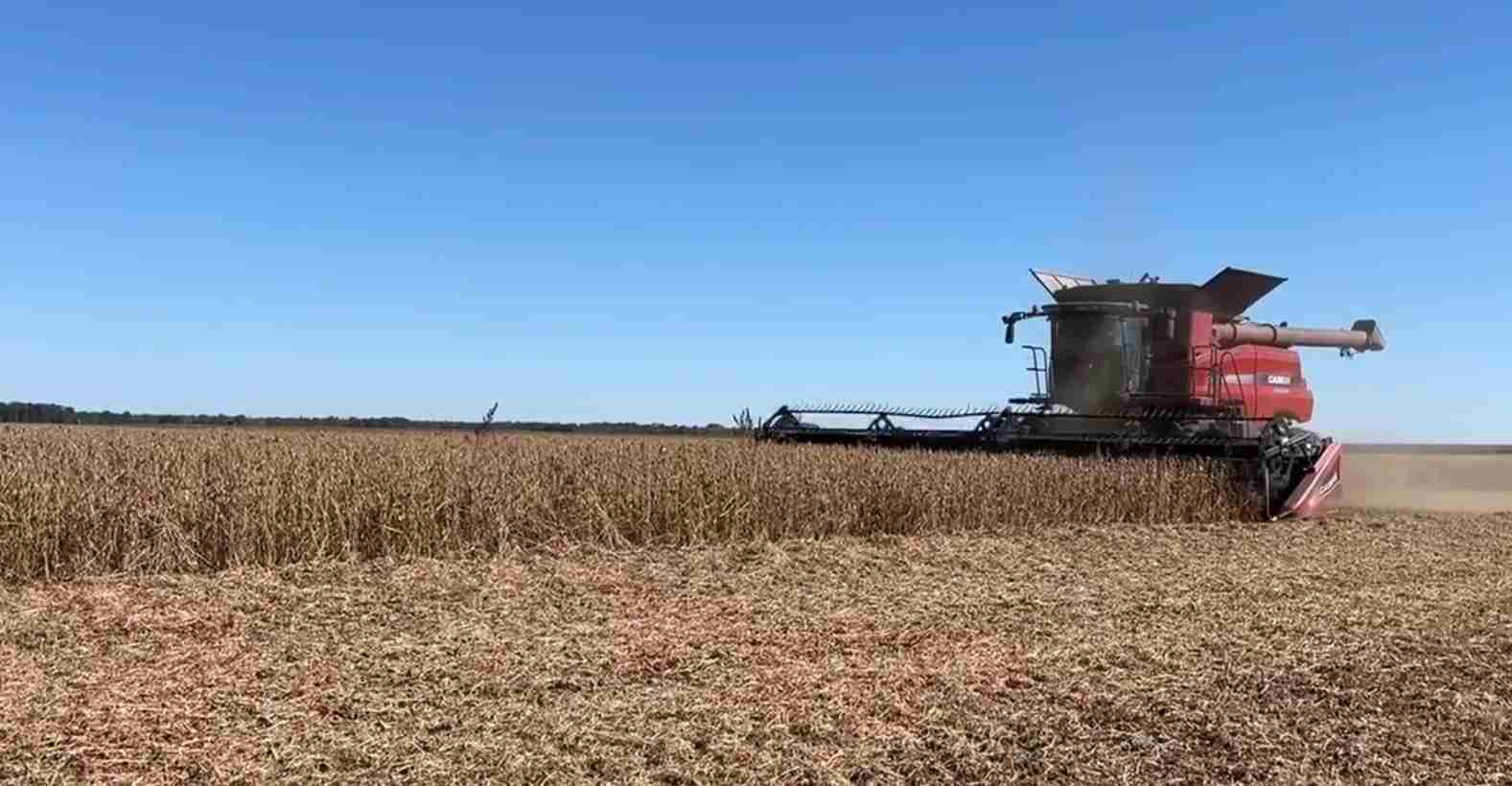
Trump calls China soybean cuts an “economically hostile” act, threatens to end cooking oil trade — What it means for American soybean farmers and Fresno
Former President Donald Trump called China’s sharp reduction in U.S. soybean purchases an “economically hostile” act and threatened retaliatory steps — including ending cooking oil trade — warning the move further harms American soybean farmers and rural economies.
- Fox Business: Trump labeled China’s soybean cuts “economically hostile” and suggested ending cooking oil trade as possible retaliation.
- China shifted purchases to Brazil and Argentina, reducing U.S. market share and creating long-term competitive pressures for American exporters.
- The American Soybean Association and analysts warn younger, indebted farmers face the greatest risk if export access remains constrained.
- No formal U.S. government action has been announced to implement Trump’s proposed restrictions on cooking oil trade.
Background: China’s soybean cuts and why they matter
China is the world’s largest buyer of soybeans. Since trade tensions rose in 2018, buyers shifted toward South American suppliers like Brazil and Argentina, shrinking U.S. export share. Reports cite that U.S. exports to China fell after 2018, recovered during the pandemic, then declined again in 2023–24 (Fox Business).
Economic impact on American soybean farmers
The reduction in Chinese purchases has produced measurable pain for U.S. producers. The American Soybean Association and market analysts say China accounted for a very large share of traded soybeans in recent years; losing that business depresses prices and revenue for U.S. growers. Farmers quoted in reporting described the drop as having “huge impacts on our business and our bottom line” (Fox Business).
Analysts warn younger farmers with debt and rented land are especially vulnerable. Trade aid can provide short-term relief, but if China forms long-term relationships with South American producers, U.S. market recovery could prove difficult.
Threat to cooking oil trade: what Trump proposed
Trump suggested U.S. leaders could “terminate business with China having to do with Cooking Oil, and other elements of Trade, as retribution,” adding the U.S. can “easily produce Cooking Oil ourselves, we don’t need to purchase it from China.”
“Terminate business with China having to do with Cooking Oil, and other elements of Trade, as retribution.”
Reporting did not provide details on the scale of U.S.–China cooking oil trade, which companies would be affected, or the legal and regulatory steps required. Questions remain about whether tariffs or bans would harm U.S. processors, biodiesel producers, or livestock feeders who rely on imported oils.
Geopolitical dynamics and market shifts
China’s diversification toward Argentina and Brazil was described by Trump as an effort to “draw a wedge.” Trade analysts note that once buyers form long-term supplier relationships, it becomes harder for prior suppliers to regain share. Commodity markets are volatile; short-term policy moves or aid may blunt immediate losses, but structural shifts in supply chains can be lasting (Fox Business).
What remains unclear
- No official U.S. government policy or sanction has been announced to match Trump’s cooking oil threat.
- It is unclear which U.S. industries would face the largest effect if cooking oil trade with China were curtailed.
- No timeline, legal pathway, or coordination details have been provided for any proposed retaliation.
Source attribution and further reading
This article draws primarily on reporting from Fox Business, which documents Trump’s comments and the American Soybean Association’s market analysis.
Implications for Fresno, California
Economic impact: Fresno County and the San Joaquin Valley are not primary soybean producers, but they are integrated into national commodity and processing chains. A sustained drop in U.S. soybean exports could raise input costs and disrupt feed supplies for dairies and poultry that use soybean meal and oil byproducts. Local processors that import or refine oils may see higher raw-material costs.
Political consequences: Local officials and farm groups may press for federal aid or trade policy responses. California representatives could be pulled into national debates over tariffs, retaliation and support for agriculture.
Social effects: Central Valley communities operating on thin margins may face tighter budgets, job risk at processing plants or refineries, and calls for income-support programs if export markets remain constrained.
Cultural relevance: Agriculture is central to Fresno’s identity. National headlines about threats to farmers resonate locally, and proposals for self-sufficiency in goods such as cooking oil can appeal to regional pride while raising practical supply-chain questions.
Practical actions for Fresno residents and stakeholders
- Food businesses and processors should monitor policy developments; changes to cooking oil trade could affect sourcing and costs.
- Farmers should engage with county farm bureaus and extension services to assess feed-cost exposure and contract terms.
- Track market reports and ASA updates to plan for price volatility and potential aid programs.
Reporting gaps and next steps for Fresno stakeholders
Trump’s remarks remain public statements rather than formal policy. Fresno leaders should seek clarity on any proposed actions, request economic-impact studies, and coordinate with state and federal agencies about potential aid or market-expansion programs.
Primary source: Fox Business



