
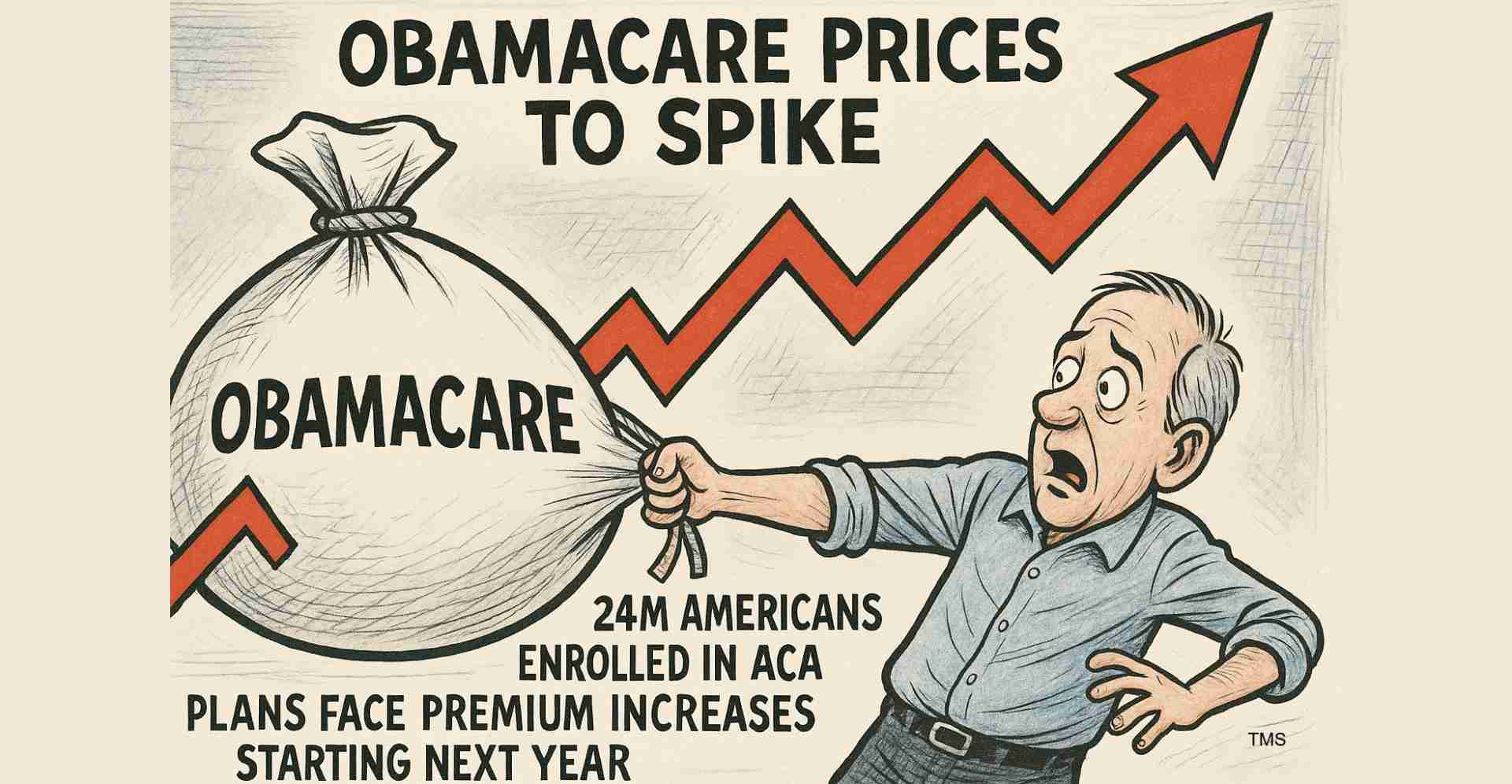
Obamacare prices set to spike in 2026 — here’s why millions face bigger bills
Millions of Americans enrolled in Obamacare plans face steep premium increases in 2026, as insurers plan average list-price hikes around 26% and the likely expiration of enhanced premium tax credits could sharply raise out-of-pocket costs for subsidized enrollees.
Key takeaways
- About 24 million people are enrolled in ACA marketplace plans and could see higher premiums next year (KFF, Time).
- Insurer list prices are projected to rise about 26% on average in 2026, though state and marketplace differences matter (KFF).
- If enhanced premium tax credits expire, subsidized enrollees could face average out-of-pocket premium increases of roughly 114% (KFF analysis).
Main content
Why premiums are set to rise
The largest driver is the anticipated end of enhanced premium tax credits, which were expanded during the COVID-19 pandemic and extended through 2025 by the Inflation Reduction Act. If Congress does not act, those extra subsidies will expire at the end of 2025 and many enrollees will lose the additional help that has kept monthly premiums lower (Time, KFF).
How big the insurer hikes are
Nationwide filings for 2026 show average list-price increases around 26%, but the impact varies by state and whether a state runs its own marketplace:
- State-run marketplaces: smaller average increases — about 17% for benchmark plans (KFF).
- HealthCare.gov states: steeper average increases — roughly 30% for benchmark plans (KFF).
Why out-of-pocket costs could jump even more
List-price increases only tell part of the story. Currently about 22 million of 24 million ACA enrollees receive premium tax credits that cap what they pay based on income. Without enhanced credits, those protections largely vanish. KFF finds subsidized enrollees could see their ACA out-of-pocket premium payments more than double — an average increase of roughly 114% (KFF analysis).
Middle-income households — particularly those above about four times the federal poverty level who may lose subsidies — could be hit hardest, facing both higher list prices and the loss of credits (KFF, Time).
Other forces pushing premiums up
- Healthcare inflation: rising costs for services, hospitals and drugs push insurers to raise premiums to cover expected spending (KFF).
- Federal formula changes: adjustments to how much people are expected to pay for a benchmark plan increase listed enrollee contributions even without subsidy changes (KFF, CMS).
- State market dynamics: fewer insurers competing in some states tends to push prices higher (KFF).
Real-world examples
Reporting highlights stark scenarios for some families:
- Virginia: a family’s deductible could jump from about $800 to as high as $20,000 without enhanced credits (Time).
- Maryland: some households could face roughly $500 more per month if credits vanish; Idaho: some may pay about $100 more monthly (Time).
Official government view
“For people who remain eligible for tax credits, average post-tax-credit premiums for the lowest-cost plans on HealthCare.gov could be about $50 per month in 2026.” — Centers for Medicare & Medicaid Services
CMS’s estimate depends on continued subsidy eligibility; if enhanced premium tax credits end, many people will not benefit from that cushion (CMS fact sheet).
What lawmakers are doing — and not doing
As of now, Congress has not passed legislation to extend the enhanced premium tax credits beyond 2025. Negotiations remain stalled; without action, the extra subsidies are set to expire at year-end, leaving millions exposed to higher bills in early 2026 (Time, Fox Business).
Implications for Fresno, California
Economic impact
Fresno County, with many middle- and low-income households and substantial employment in agriculture, service and small business sectors, could see sharp increases in ACA out-of-pocket costs. Even modest monthly hikes ($50–$200) would strain families where median wages lag state averages (KFF, CMS).
Local health system effects
Higher premiums and larger out-of-pocket costs could push residents to delay care, skip medications or drop to lower-value plans, increasing uncompensated care at hospitals and safety-net clinics. Community health centers and county clinics may see more demand if people lose or downgrade coverage (KFF).
Political consequences
Fresno voters and officials may face pressure to act. County leaders and state legislators could pursue outreach to enroll eligible residents in Medi‑Cal or seek state-funded subsidies for those who lose federal help. Covered California’s state-run marketplace historically offers some cushioning compared with HealthCare.gov states, but gaps may remain for middle-income households (KFF).
Social effects and community response
Rising ACA premiums could particularly affect workers at small farms, restaurants and local businesses where employer coverage is less common. Nonprofits and legal-aid groups may see more calls about access and affordability. Local enrollment assister organizations will likely need more resources to help residents weigh plan choices and understand eligibility changes (KFF, Time).
Practical steps for Fresno residents
- Check eligibility early. Verify whether you qualify for Medi‑Cal or state subsidies through Covered California/CMS guidance.
- Shop plans carefully. If premiums rise, consider total ACA out-of-pocket costs (premiums, deductibles, copays) when comparing options (KFF).
- Seek local help. Use Fresno community clinics, Covered California navigators and nonprofit groups for enrollment assistance and cost estimates.
Sources and further reading
- KFF: ACA insurers are raising premiums by an estimated 26%
- KFF analysis: ACA marketplace premium payments would more than double
- Time: Obamacare could get much more expensive in 2026
- CMS: Plan year 2026 marketplace plans, prices fact sheet
- Fox Business: Obamacare prices set to spike — here’s why
Reporting based on the sources listed above.



