
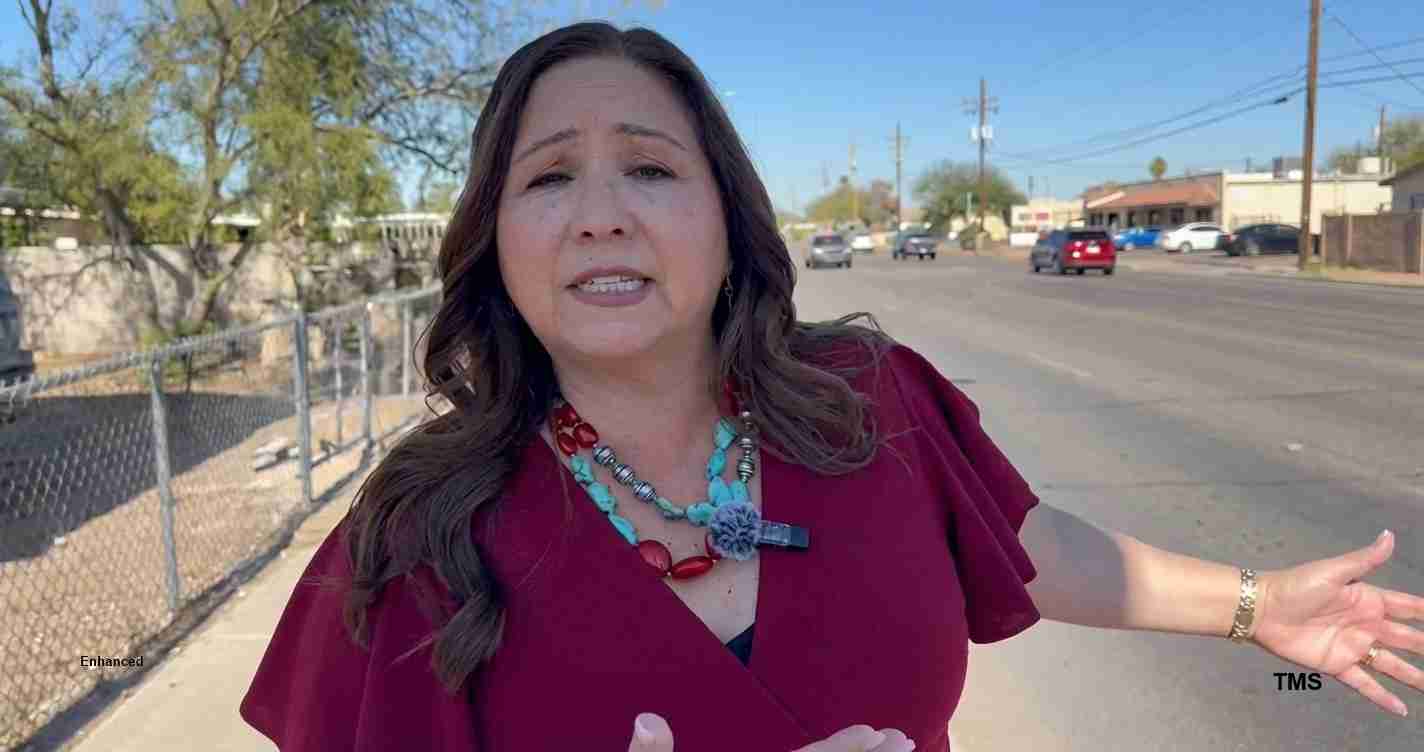
DHS pushes back after Rep. Adelita Grijalva says she was pushed aside and pepper‑sprayed during Tucson ICE raid
During a Dec. 5, 2025 enforcement operation at Taco Giro in Tucson, Rep. Adelita Grijalva says ICE agents pushed her aside and pepper‑sprayed her after she identified herself, sparking local debate over federal tactics, use of force and oversight.
Key takeaways
- Multi‑site enforcement: ICE/HSI and IRS executed 16 search warrants in southern Arizona, including Taco Giro (AZCentral, ABC15).
- Disputed use of force: Grijalva says she was pushed and pepper‑sprayed after identifying herself; DHS/ICE say crowd control was justified (KJZZ, Arizona Luminaria).
- Local pushback: Tucson leaders criticized tactics; officials say TPD provided traffic support after ICE left (Fox10 Phoenix).
- Oversight possible: Calls for footage, Inspector General review and congressional inquiries are likely as advocates press for answers.
What happened in Tucson
Federal agents with U.S. Immigration and Customs Enforcement (ICE) and Homeland Security Investigations (HSI), supported by the IRS, executed 16 search warrants across southern Arizona on Dec. 5, 2025. One warrant led agents to Taco Giro, a small west‑side Tucson restaurant Representative Adelita Grijalva says she visits weekly. Officials confirmed the multi‑site operation and multiple arrests linked to immigration and tax investigations; detailed counts were not immediately released (AZCentral, ABC15).
Grijalva’s account
Rep. Adelita Grijalva, a Democratic state representative from Tucson, says she and staff stumbled upon the raid while on their way to lunch. In video posted to X she described roughly 40 agents on scene, many masked, and said community members attempted to block ICE vehicles out of concern people were being taken “without due process.” Grijalva says she identified herself as a member of Congress and asked where arrestees were being taken; she alleges an agent “pushed aside and pepper‑sprayed” her after that identification. She said two people were arrested at Taco Giro and estimated about 60 community members were present and attempting to stop vehicles from leaving (AZCentral, KJZZ).
Corroborating reporting and imagery
Local outlets published photos and video from the scene showing officers in tactical gear labeled “ICE” or “Police HSI,” agents dispersing a cloud‑like substance into the crowd, and interactions between agents and Grijalva as she pressed for information. In some footage an agent can be heard mentioning an “assault on a federal officer”, though audio quality and context vary. Grijalva appears in video with visible effects consistent with exposure to a chemical irritant (Arizona Luminaria).
DHS and ICE response
DHS and ICE issued public statements pushing back on Grijalva’s account, saying demonstrators were obstructing a lawful operation and that presenting oneself as a lawmaker does not permit interference. ICE initially declined to provide full operational details for security reasons, later confirming the multi‑site enforcement action and linking arrests to immigration and tax violations. Officials described the use of chemical agents as crowd control in response to people blocking vehicles and confronting agents, not as a political targeting of a lawmaker (ABC15, AZCentral).
Local officials’ reaction
Tucson Mayor Regina Romero and Vice Mayor Lane Santa Cruz sharply criticized federal tactics, saying the raid “rapidly escalated into violence against the public” and criticizing broader federal immigration policy. City leaders said Tucson Police Department officers arrived later to assist with traffic control and were not involved in the use of force; Grijalva thanked TPD for helping keep people safe once ICE left (ABC15, Arizona Luminaria, Fox10 Phoenix).
What is confirmed and what remains disputed
Multiple outlets and video confirm a planned multi‑site federal operation in southern Arizona and that chemical irritants were used both at the Taco Giro scene and later at a protest outside the ICE field office. Grijalva’s presence, her identification as a lawmaker, and visible effects from exposure are documented on video. Remaining disputes include the justification for the use of chemical agents and whether Grijalva was specifically targeted because she is a member of Congress. Local leaders call the action an unwarranted escalation; DHS/ICE describe it as standard crowd control during obstruction of a lawful operation (AZCentral, ABC15, KJZZ, Arizona Luminaria).
Broader context: immigration enforcement in Arizona
Local reporting and community groups say federal enforcement in Tucson and across Arizona has become more visible and aggressive, with masked agents and the use of chemical irritants in recent months. The Tucson incident has intensified debate over the balance between federal enforcement authority and community oversight, civil liberties protections, and local cooperation with federal agencies. As of the latest coverage, no major injuries or arrests of protesters — including Grijalva — have been reported (Arizona Luminaria, KJZZ).
Implications for Fresno, California
The Tucson raid may reverberate in Fresno across five key areas:
- Economic impact: Fear among immigrant workers and customers could hurt restaurants, farms and agribusiness, reducing labor availability and local patronage.
- Political consequences: Local leaders and voters may press for clearer federal‑local coordination, oversight or congressional inquiries in response to widely shared accounts.
- Social effects: Heightened fear in immigrant communities could prompt more legal clinics, “know your rights” events, and solidarity actions — while also discouraging public protest.
- Cultural relevance: Fresno’s large Latino population and civic culture may make images of tactical agents and a pepper‑sprayed lawmaker particularly resonant in community conversations.
- Practical applications: Law enforcement leaders may review policies on assisting federal agents; community groups and employers should update outreach and documentation procedures.
Oversight and next steps to watch
Possible follow‑up includes requests for body‑camera or operational footage from ICE/HSI, inquiries by the DHS Office of the Inspector General, and letters from congressional offices seeking details about the use of force and rules for interacting with lawmakers. Local advocates say they will press for answers; any formal review will depend on additional statements, released evidence, or legal complaints (AZCentral, ABC15, Arizona Luminaria).
Sources
Reporting contributed from AZCentral, ABC15, KJZZ, Fox10 Phoenix and Arizona Luminaria.



