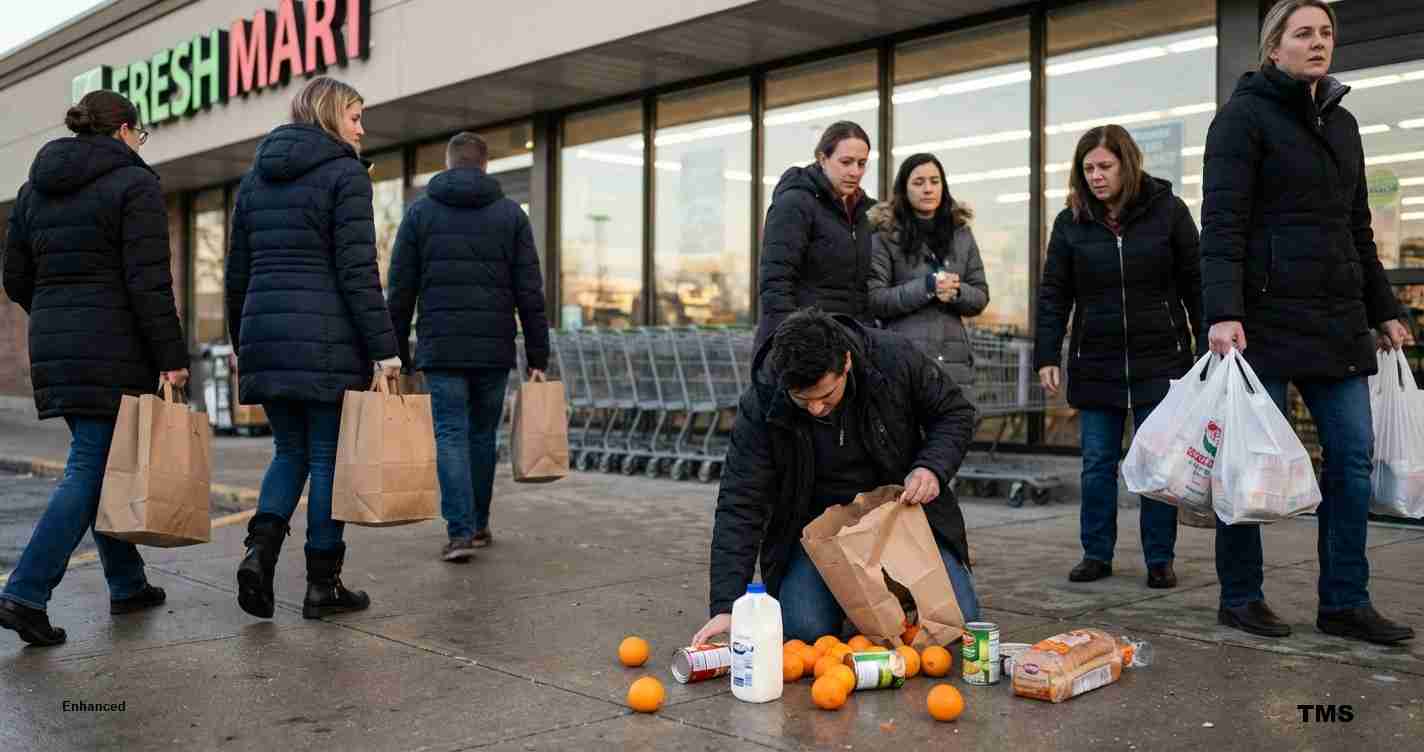
California bans all plastic grocery checkout bags, closing the “reusable” loophole ahead of 2026
California will ban all plastic grocery checkout bags statewide under SB 1053, eliminating thicker “reusable” film bags. The law takes effect Jan. 1, 2026, with earlier rules phasing in for pre‑checkout bags starting in 2025.
Key takeaways
- SB 1053 bans all plastic checkout bags at most grocery, convenience, pharmacy and liquor stores beginning Jan. 1, 2026 — including thicker plastic labeled “reusable” (SFGATE).
- Pre‑checkout bags for produce, bakery and meat must be recycled paper or certified compostable starting Jan. 1, 2025 (CalRecycle).
- An Attorney General probe and an Oct. 17, 2025 settlement forced some manufacturers to stop selling certain misleading bags and pay penalties, speeding the policy change (Plastic Pollution Coalition).
- Retailers must shift to recycled paper or durable non‑film reusable bags; thin certified compostable bags remain allowed for specific pre‑checkout uses.
What SB 1053 does
SB 1053 removes the ability for covered stores to distribute thicker plastic film checkout bags, even if marketed as “reusable” or “recyclable.” Lawmakers describe the bill as a fix‑it measure to close the long‑criticized reusable plastic bag loophole created by earlier laws from 2014.
Starting Jan. 1, 2026:
- Covered stores may not distribute any plastic checkout bag (SFGATE).
- The only checkout options provided by stores will be recycled paper bags (typically for a fee) or customer‑brought durable reusable bags made of non‑film materials such as cloth or woven fibers (CalRecycle).
Timeline and the 2025 phase‑in for pre‑checkout bags
SB 1053 is paired with new CalRecycle rules that affect the bags handed out before checkout — for produce, meat, bakery and similar items. The two‑step timeline gives retailers and shoppers time to adapt.
- Jan. 1, 2025: Thin plastic film produce/meat/bakery bags must be replaced by recycled paper or certified compostable options (CalRecycle).
- Jan. 1, 2026: No plastic checkout bags of any thickness at covered stores (SFGATE).
Attorney General enforcement and the bag‑maker settlement
A multi‑year investigation by the California Attorney General found that some manufacturers misrepresented thicker plastic bags as recyclable when they did not meet CalRecycle standards. That probe culminated in a settlement announced Oct. 17, 2025.
Under the settlement, four large manufacturers agreed to stop selling certain single‑use or misleadingly labeled bags in California and to pay roughly $1.7 million in penalties and costs — a development environmental groups called a “major legal win” (Plastic Pollution Coalition).
What will still be allowed
SB 1053 does not eliminate all plastic in retail environments. Key allowances include:
- Thin, certified compostable bags for produce, meat or prepared food remain allowed if they meet compostability and labeling rules (CalRecycle).
- Non‑food retailers outside the covered list (for example, many clothing stores) may still provide plastic bags unless local ordinances are stricter.
- Product packaging and flexible wrappers are governed by other regulations and are not directly targeted by SB 1053.
Environmental and policy context
Advocates argue that plastic bags are a frequent litter source, harm wildlife, clog recycling equipment and impose cleanup costs on local governments. Organizations such as Californians Against Waste have pushed for clearer, enforceable bans that do not leave loopholes.
Supporters say SB 1053 aligns the law with the original 2014 intent behind SB 270 and Proposition 67, which banned thin single‑use bags but unintentionally allowed thicker “reusable” film bags that often behaved like disposables (CalRecycle).
Practical effects for consumers and retailers
Consumers at covered stores should plan to:
- Bring durable reusable bags or expect to pay for recycled paper bags at checkout — earlier laws required a minimum fee to encourage reuse.
- Anticipate store changes in inventory, point‑of‑sale systems and signage.
Retailers — from small markets to large supermarket chains — should begin negotiating supplier contracts, updating POS systems for bag fees, and educating staff and customers now to prevent disruption (Creative Retail Packaging; CalRecycle).
Implications for Fresno, California
Economic: Fresno grocery stores and pharmacies will face costs to switch bag supplies and train staff; smaller independents may feel the strain more than large chains.
Political & social: Local leaders who backed the ban can cite state action; community groups can help with bag drives or distribution events for low‑income residents and seniors.
Cultural relevance: Reduced plastic in fields, waterways and streets matters to residents near agricultural areas and irrigation ditches — and may help local cleanups and farmworker health.
Practical applications and tips
- Bring a durable reusable bag to grocery trips or be prepared to buy a recycled paper bag at checkout (SFGATE).
- Retailers: Start discussions with suppliers now and update POS systems for bag fees (Creative Retail Packaging).
- Community groups: Organize bag drives to help low‑income families obtain durable, reusable options before 2026.
Sources and further reading
Primary reporting and official resources:
- SFGATE: California supermarkets will stop giving plastic checkout bags in 2026
- CalRecycle: Carryout bags information
- CalRecycle bag requirements
- Californians Against Waste: The problem of plastic bags
- Plastic Pollution Coalition: Big win — California upholds plastic bag ban
- Creative Retail Packaging: California banning plastic bags insights