Newsom opens more than 200 California state parks free on MLK Day after Trump drops holiday from federal fee-free schedule
Governor Gavin Newsom announced Jan. 16, 2026, that over 200 California state parks will offer free vehicle day-use entry on Martin Luther King Jr. Day, Jan. 19, 2026, after the federal fee-free schedule omitted MLK Day.
Key takeaways
- More than 200 state parks will waive vehicle day-use fees on MLK Day — see the California State Parks MLK Day page.
- Privately funded: the one-day waiver is paid for by the California State Parks Foundation and not from the state general fund — details at the governor’s announcement.
- Political response: the move was framed as a response to the National Park Service’s removal of MLK Day from its 2026 fee-free calendar; media coverage available at Fox News and KTVU.
Why Newsom acted
Newsom said the step honors the legacy of Dr. Martin Luther King Jr. and pushes back against what he described as federal “whitewashing” of civil-rights history. The governor criticized the federal change as “swapping the free day for his [Trump’s] birthday and whitewashing civil rights history,” and urged Californians to visit parks to reflect and recommit to civil rights.
“darkness cannot drive out darkness; only light can do that.” — Dr. Martin Luther King Jr.
The governor’s office posted the full statement and event guidance on the California government website.
How the free-entry day will work
The one-day waiver covers one passenger vehicle (up to nine people) or one highway‑licensed motorcycle at participating parks on MLK Day. Exceptions apply: off-highway vehicle parks, locations charging per person, and partner-operated sites (for example, Hearst Castle) are excluded. Visitors should check individual park pages for program details and restrictions on the official parks list.
Scope and examples of participating parks
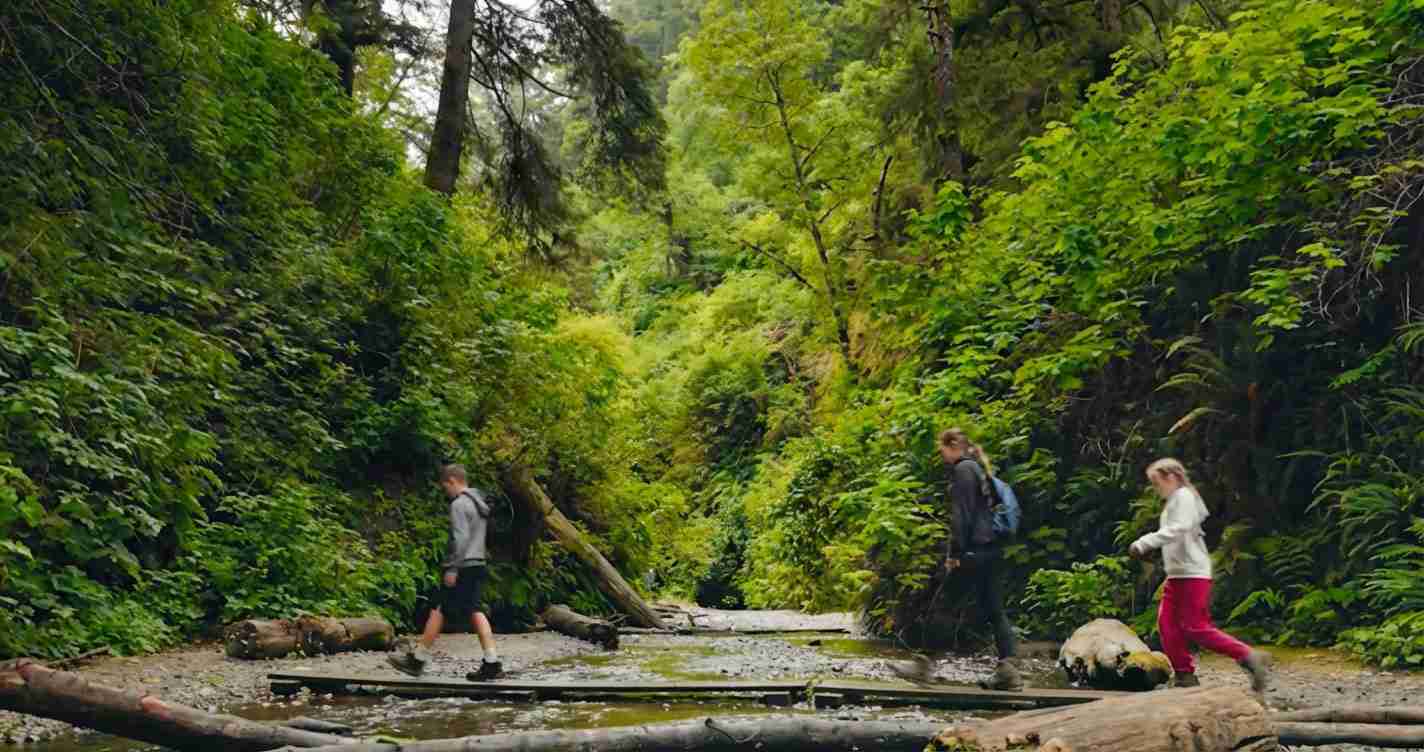
Participating sites span Northern, Central and Southern California. Bay Area parks named among participants include Big Basin Redwoods State Park, Mount Tamalpais State Park and Point Lobos State Natural Reserve. Other parks listed in the announcement include Anza-Borrego Desert State Park, Red Rock Canyon State Park and Emerald Bay State Park. The state posted partial lists organized by region and a complete listing at the MLK Day page.
Funding and political framing
California officials emphasized the day is privately funded by the California State Parks Foundation and will not use general fund dollars. The initiative was presented both as a celebration of Dr. King’s work and a contrast to the recent federal calendar change. First Partner Jennifer Siebel Newsom and State Parks Director Armando Quintero publicly supported the program and encouraged visits.
State officials also highlighted park programs such as “Reexamining Our Past” that will feature civil-rights history across park sites during MLK Day activities.
Federal changes to the national fee-free calendar
About a month before Newsom’s announcement, the National Park Service’s published 2026 fee-free list removed Martin Luther King Jr. Day, Juneteenth and National Public Lands Day, and added dates including Flag Day (June 14), Constitution Day, the 110th anniversary of the NPS and Theodore Roosevelt’s birthday. Critics pointed out Flag Day coincides with former President Donald Trump’s birthday; supporters said the new dates celebrate civic institutions and conservation milestones. Coverage of the federal change appeared in national and local outlets including Fox News and KTVU, and in outdoor press such as Backpacker.
History of MLK Day fee waivers at federal parks
MLK Day had been among the National Park Service’s fee-free days in prior years (at least since 2018). The 2026 removal represents a visible shift and prompted state and local officials to announce responses to ensure access on the holiday.
Media coverage and reactions
The state’s action drew national attention. Some outlets framed Newsom’s move as direct pushback against the Trump administration, with headlines using terms like “defies.” Local reporting focused on visitor details and lists of participating Bay Area parks. Outdoor and travel outlets noted how state and federal calendars now diverge and affect park planning. Reporting also highlighted separate changes to nonresident annual-pass rates, which rose from $80 to $250, as part of broader debates about access and funding.
Implications for Fresno, California
Economic impact
Fresno-area residents and tourism businesses could see a one-day visitation boost to nearby state parks and reserves. While many top parks are farther from Fresno, participating nearby recreation areas could draw day-trippers and increase business for gas stations, grocery stores and restaurants.
Access and equity
Waiving the vehicle fee removes a price barrier for families who might not otherwise visit. For lower- and middle-income Fresno households, the waiver can make outdoor access more feasible. The funding model — paid by the California State Parks Foundation rather than taxpayers — was cited as intentional to avoid drawing on the general fund; see the state announcement.
Community and civic engagement
Newsom framed the day as an opportunity to reflect on Dr. King’s legacy, which may prompt Fresno schools, churches and civic groups to organize park visits, service projects or commemorative events. Programs like “Reexamining Our Past” could provide materials and templates for local discussions on civil rights and history.
Practical considerations for visitors
Fresno residents should check parks.ca.gov/MLKDay2026 for the participating-park list and park-specific rules. Some areas — such as off-highway vehicle parks or partner-operated sites like Hearst Castle — are excluded. Expect higher traffic at popular parks and confirm whether programs require separate registration or per-person fees.