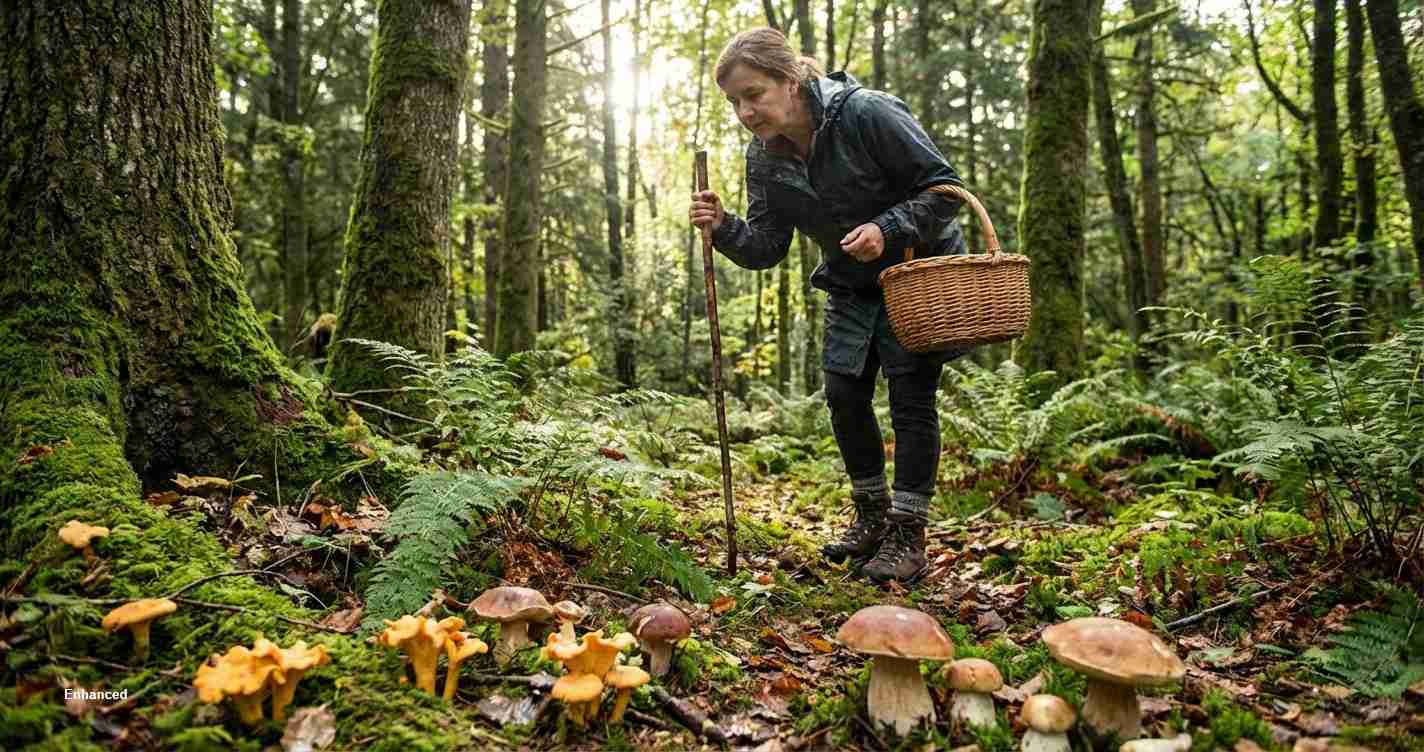
California issues urgent statewide warning after deadly mushroom poisoning outbreak linked to death cap mushrooms
California health officials issued a statewide warning after at least 21 confirmed amatoxin poisonings—likely from death cap (Amanita phalloides)—resulted in one adult fatality and multiple severe liver injuries, including cases among children in Monterey County and the San Francisco Bay Area.
- At least 21 amatoxin poisonings have been identified in California, believed mainly from death cap mushrooms — see the ABC7 report.
- One adult died; several patients required intensive care and at least one may need a liver transplant due to fulminant liver failure (ABC7 report).
- Cases include children and adults; officials urge Californians to avoid recreational wild mushroom foraging during this high-risk period (ABC7 report).
Outbreak details
State and local health officials say the cluster is linked to amatoxins found in death cap mushrooms. The California Poison Control System has associated at least 21 cases with amatoxin poisoning, including a group in Monterey County who ate mushrooms collected in a park and a separate cluster in the San Francisco Bay Area. Officials stressed this represents a statewide threat, not isolated incidents (ABC7 report).
Severity, fatalities and clinical outcomes
One reported fatality and multiple severe cases underscore the danger of amatoxins. Several patients required intensive care; at least one may need a liver transplant after developing fulminant liver failure. Children are among the affected, increasing concern for families and caregivers (ABC7 report).
Where the cases occurred
Officials confirmed cases among Monterey County residents who consumed mushrooms collected from a park, and a separate cluster in the San Francisco Bay Area. Because death caps are known to occur across parts of California, the warning applies statewide rather than to a single county (ABC7 report).
Why officials are alarmed
Death cap mushrooms contain amatoxins, potent compounds that attack the liver and can cause liver failure or death even after a small dose. Officials warn these mushrooms are often mistaken for edible species and can look very similar to commonly collected varieties. Recent wet weather has created ideal growth conditions, raising the risk during this high-risk season (ABC7 report).
Why identification is difficult
Appearance alone is not a reliable guide. Death caps and related species such as the “destroying angel” (another Amanita) can resemble edible mushrooms in color, shape, smell or taste. Even experienced foragers can be misled. State guidance for this outbreak effectively recommends no recreational wild mushroom foraging for the general public (ABC7 report).
Symptoms, progression and medical risks
Early symptoms typically begin within 24 hours and include nausea, vomiting, diarrhea and abdominal cramps. These gastrointestinal signs may temporarily improve, which can give a false sense of recovery. That is dangerous: severe liver injury, liver failure, transplant need and death can follow days later. Cooking, freezing or drying does not destroy amatoxins; standard preparation will not make a poisonous mushroom safe (ABC7 report).
What to do if exposure is suspected
Call Poison Control immediately at 1-800-222-1222 for guidance on triage and treatment if you or a family member ate a wild mushroom or develop nausea, vomiting, diarrhea, or abdominal pain after possible ingestion. Seek urgent medical care if symptoms are significant or there is concern the mushroom could be a death cap. If possible, preserve a sample in a paper bag or container for identification — do not delay medical care to gather a sample (ABC7 report).
Scale of the mushroom exposure problem
Mushroom exposures are common. America’s Poison Centers recorded more than 4,500 cases of exposure to unidentified mushrooms nationwide in 2023, about half involving young children. California’s poison control system reports hundreds of wild mushroom poisonings annually; death caps and destroying angels rank among the most dangerous. These numbers reflect accidental child exposures and intentional adult foraging (ABC7 report).
Public health advice and precautions
- Do not forage or eat wild mushrooms unless a qualified mycologist has positively identified them as safe (ABC7 report).
- Avoid recreational mushroom foraging entirely for the current outbreak period.
- Supervise children and pets outdoors; remove visible mushrooms from yards, parks and wooded play areas.
- Treat suspected mushroom illness as serious and call 1-800-222-1222 immediately.
Implications for Fresno, California
Economic: Foraging contributes modestly to local food culture, farmers markets and small culinary enterprises. A statewide warning could reduce foraging-related sales and community events. Businesses offering guided mushroom tours or selling foraged products should pause or strengthen identification protocols.
Political: Local officials may face questions about park safety and public education. Coordination among Fresno city leaders, county public health and state agencies could be needed to post warnings and share prevention messaging.
Social: Families should be vigilant. Children often pick mushrooms while playing; parents, schools and daycare providers should supervise outdoor play and remove visible mushrooms from play areas.
Cultural: For some Central Valley residents, foraging is a tradition. Public health messaging should respect cultural practices while clearly communicating danger, emphasizing that even experienced foragers can be deceived by species like the death cap.
Practical applications for residents
- Avoid picking or eating any wild mushrooms while the outbreak is active.
- Inspect and remove mushrooms from yards, playgrounds and school grounds using gloves or tools; dispose in sealed bags away from homes and pets.
- If symptoms occur after possible ingestion, call Poison Control at 1-800-222-1222 and seek urgent medical care rather than waiting.
- Local agencies should consider posting advisories at outdoor sites and sharing information through community channels to reach parents, seniors and caregivers.
Reporting and verification
This article is based on reporting from the California Poison Control System and statements from state health officials compiled by Times Media Service and reported by ABC7. For further details on the outbreak, precautions and the Poison Control hotline, see the original report.
“No recreational wild mushroom foraging” is the practical guidance for the general public during this high-risk period, officials say.