
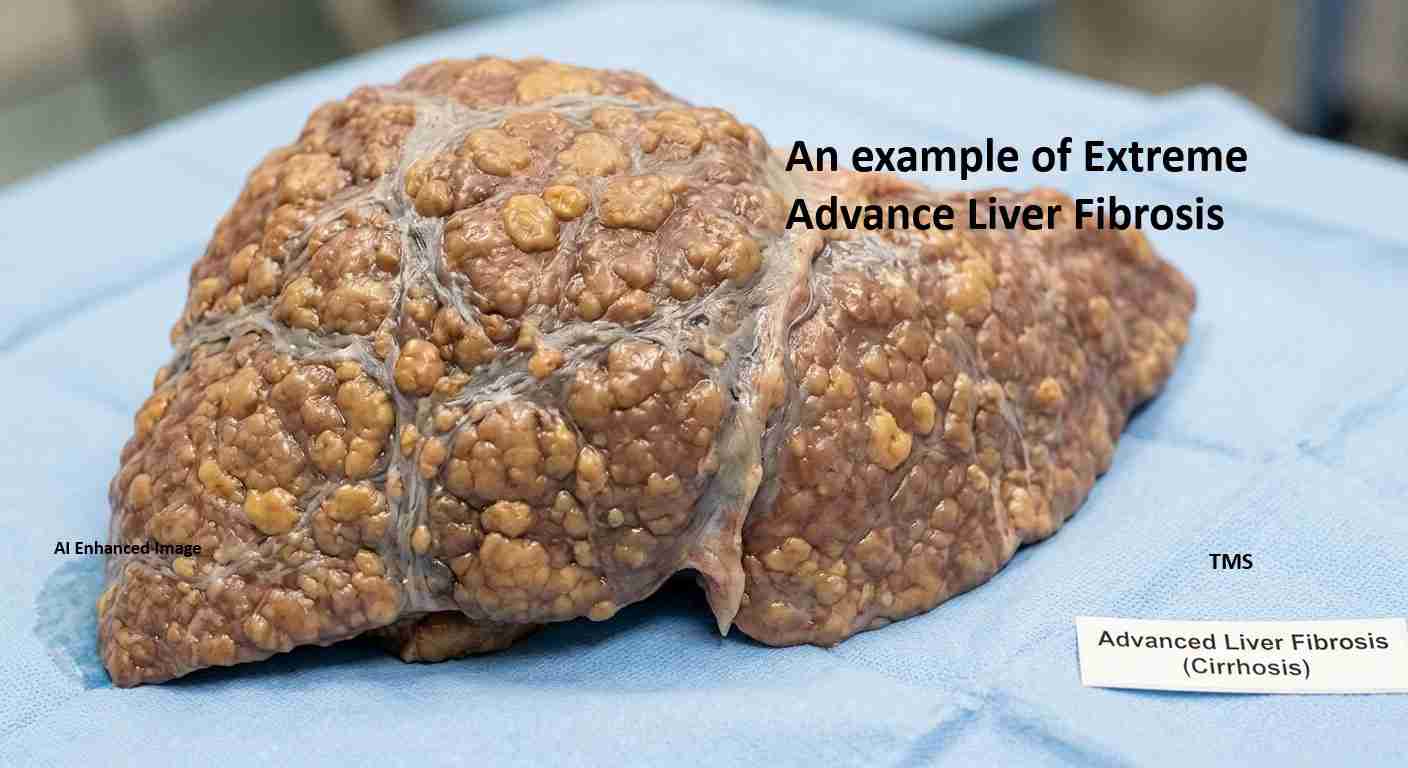
Even occasional binge drinking triples advanced liver fibrosis risk in MASLD, USC Keck Medicine study finds
A USC Keck Medicine study finds that occasional binge drinking—four or more drinks for women, five for men, at least monthly—triples the odds of advanced liver fibrosis in people with Metabolic Dysfunction-Associated Steatotic Liver Disease (MASLD).
- Pattern matters: episodic heavy drinking (≥4 drinks women, ≥5 drinks men, ≥monthly) was linked with about threefold higher odds of advanced fibrosis in people with MASLD.
- Large national sample: Analysis used six years of NHANES data (2017–2023) covering more than 8,000 U.S. adults.
- Common behavior: Over half of adults reported occasional heavy drinking; nearly 16% of those with MASLD reported it.
- Observational limits: The report is observational and cannot prove causation; findings were published in Clinical Gastroenterology and Hepatology.
Study overview
Researchers led by hepatologist Brian P. Lee, MD, at Keck Medicine of USC analyzed national health-survey data to explore whether drinking pattern—episodic heavy sessions versus the same drinks spread over time—affects the risk of advanced liver scarring in people with MASLD. See the USC Keck Medicine press release for the team’s summary.
Study details: pattern matters more than weekly totals
Instead of relying only on weekly averages (for example, moderate drinking often defined as ≤7 drinks per week for women and ≤14 for men), the team examined reports of episodic heavy drinking and linked that pattern to risk of advanced fibrosis. The analysis used six years of NHANES data (2017–2023) and included more than 8,000 adults.
Among people with MASLD—a fatty liver condition tied to obesity, type 2 diabetes, high blood pressure and high cholesterol—occasional heavy drinking was common and concentrated in younger adults and men. The more drinks consumed per session, the higher the odds of significant liver scarring.
“The pattern matters very much… episodic heavy drinking is an incredibly common pattern right now among U.S. adults.”
What advanced liver fibrosis means
Advanced liver fibrosis is the buildup of substantial scar tissue after long-term inflammation. It is a late stage of chronic liver disease that can progress to cirrhosis and liver failure if the injuring process continues. The American Liver Foundation describes fibrosis as a key marker of serious liver damage.
How binge drinking harms the liver: biology and supporting research
Large amounts of alcohol consumed in a short time can overwhelm liver metabolism, raise toxic byproducts, trigger inflammation and injure liver cells—processes that promote scar formation. Laboratory and animal studies support a pattern-based risk:
- Animal evidence: A UCSF study in mice showed repeated binge sessions produced fatty liver, inflammation and higher levels of enzymes tied to toxic alcohol byproducts; even a single binge increased some harmful enzymes.
- Review data: An NIH review of animal models found binge drinking worsens liver injury, steatosis, inflammation and fibrosis, especially combined with obesity or chronic exposures.
- Synthesis: These preclinical findings align with the USC team’s observation that binge episodes pose distinct danger for people with metabolic fatty liver disease.
For an accessible overview, see the ScienceDaily summary and a video summary of findings.
Study limitations and caution about causation
Important caveats: The USC analysis is observational and can show association but cannot prove that occasional binge drinking causes advanced fibrosis. The study relied on self-reported drinking, which can undercount true consumption. The primary findings apply to people with MASLD and may not generalize to all drinkers. Authors and outside experts urge caution while noting public-health importance.
Implications for Fresno, California
Fresno County faces high rates of obesity and type 2 diabetes—key risk factors for MASLD. If occasional binge drinking raises the odds of advanced liver fibrosis locally, the county could see higher demand for specialty liver care, fibrosis scanning and transplant services, increasing costs for families and the health system.
Local actions to consider:
- Enhanced screening in primary care for both metabolic risk and drinking pattern, not only weekly totals.
- Public education campaigns that respectfully address cultural practices while warning about episodic heavy drinking in people with obesity or diabetes.
- Investment in combined metabolic-health and alcohol harm-reduction programs at community clinics and schools.
What doctors advise and steps people can take
- Talk to your doctor. If you have obesity, diabetes or high blood pressure, mention any binge episodes so your provider can assess liver risk.
- Know the definition. For this study: occasional heavy drinking = ≥4 drinks in one day for women, ≥5 for men, at least once monthly.
- Reduce episodic heavy drinking. Spreading the same number of drinks over more days appears less harmful than consuming them in a single session, though any drinking carries risks for some people.
- Address metabolic health. Managing weight, blood sugar and cholesterol lowers baseline MASLD risk and reduces the chance that alcohol-related inflammation leads to severe scarring.
- Seek help. Local health centers and national resources can provide counseling or treatment for harmful drinking.



