
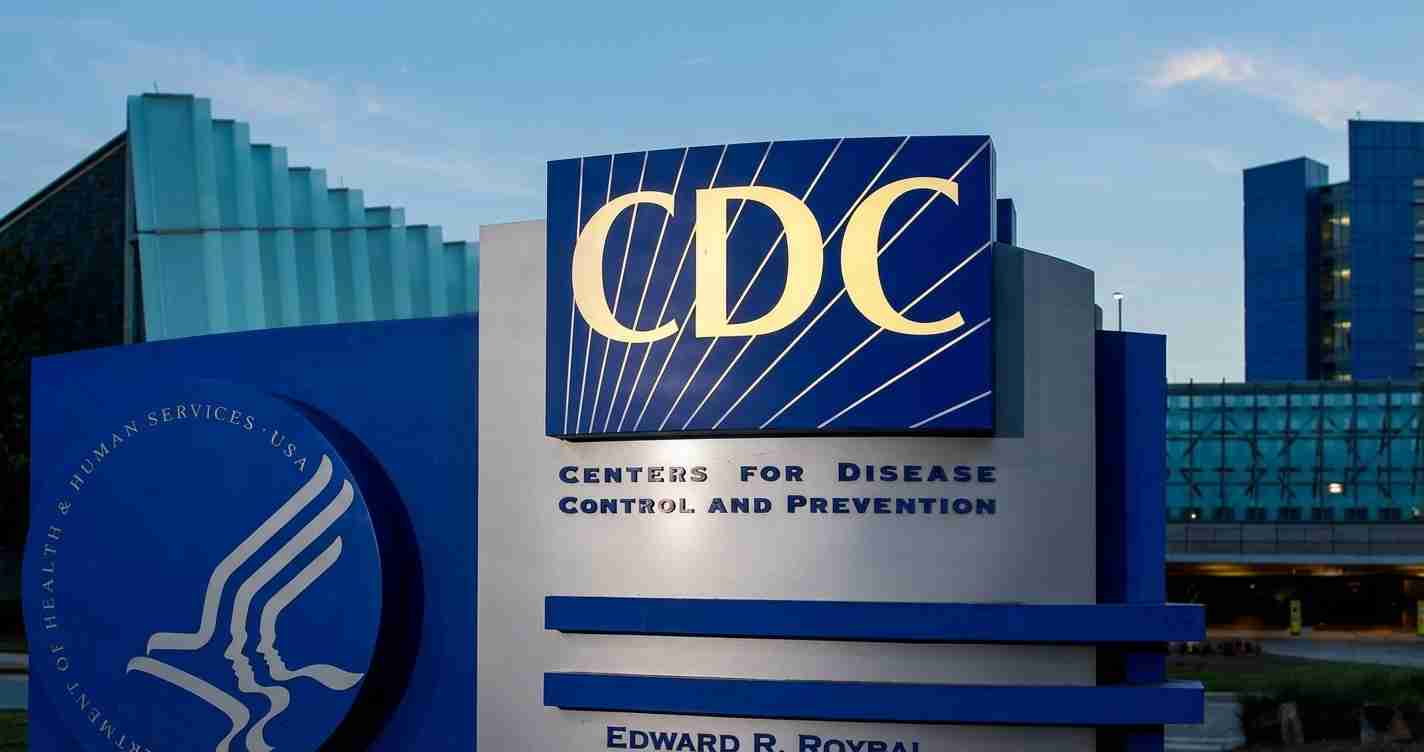
CDC quietly changes language on vaccines and autism, opens new research review
Atlanta, Georgia (Times Media Service) — The CDC quietly revised language on its vaccine safety pages, acknowledging studies have not ruled out a possibility that infant vaccines could cause autism, and announced a new, funded research review to examine ingredients, schedules and immune responses.
- Wording shift: The CDC now says “the claim ‘vaccines do not cause autism’ is not an evidence-based claim” and acknowledges limits to proving a negative.
- Research commitment: The agency will support and fund comprehensive studies on ingredients, dosing schedules and immune responses.
- Context: Longstanding large reviews and multiple studies have not found a causal link; the change reflects scientific uncertainty, not proof of causation.
- Public response: Experts warn the wording may be misunderstood and could fuel hesitancy, while others praise greater transparency.
Background: the CDC’s previous stance
For decades, the CDC and other health organizations stated clearly that vaccines do not cause autism, citing numerous studies and consensus reviews that found no causal link. Those messages aimed to reassure parents and counter misinformation stemming from a 1998 paper later retracted amid findings of fraud and ethical violations—the The Lancet retraction notice on Wakefield study.
The new CDC language
Late in 2025 the agency updated its vaccine safety web pages to more cautious wording. The CDC now states:
“The claim ‘vaccines do not cause autism’ is not an evidence-based claim because studies have not ruled out the possibility that infant vaccines cause autism.”
The line appeared without a broad press release and was first noticed by health professionals and media that monitor federal guidance. The CDC’s explanation frames the change as correcting an overstatement and reflecting the scientific principle that negatives are rarely proven with absolute certainty. See the CDC vaccine safety page for the exact wording.
What scientists say
Experts emphasize this is a shift in language, not an admission that vaccines cause autism. Leading institutions continue to point to a large body of research that has not found a causal link. Johns Hopkins researchers and others note many high-quality studies failed to show vaccines cause autism; they read the CDC change as a clarification about the limits of scientific proof. See Johns Hopkins Medicine — Autism and vaccines.
The Vaccine Education Center at Children’s Hospital of Philadelphia maintains earlier studies that suggested a link were flawed and discredited while continuing to support vaccination as safe and effective; CHOP also stresses the value of continuing targeted research. See CHOP Vaccine Education Center.
Health policy groups interpret the shift as scientific rigor in action—acknowledging uncertainty and committing to fill knowledge gaps. For context on communication strategies, research on messaging is available through the National Library of Medicine — communication research.
How the change may affect public trust and behavior
Public reaction has been mixed. Some parents and vaccine-skeptical groups have seized on the update as validation of safety concerns. Public health officials worry the new phrasing could deepen vaccine hesitancy where coverage already lags, potentially increasing the risk of outbreaks of measles, pertussis, or other vaccine-preventable diseases.
Conversely, some communicators argue that transparent acknowledgment of uncertainty—paired with clear explanation of the strength of existing evidence—can increase credibility and trust among audiences who demand honesty from authorities.
CDC research and next steps
The CDC announced plans for a comprehensive assessment into infant vaccines and autism, including studies on ingredient safety, timing and spacing of doses, and how infants’ immune systems respond. The agency plans to collaborate with academic partners, pediatric hospitals and federal research bodies to design and fund these efforts. Details are outlined on the CDC vaccine safety research overview.
Experts stress these studies must be large, transparent, and independently reviewed. Detecting a statistical association is only the first step; proving causation requires repeated evidence, strong study design and biological plausibility.
Historical context: why this issue continues to matter
The modern vaccine-autism debate traces to a 1998 paper that suggested a link; that study was discredited and retracted, but concerns persist in public discourse. Misinformation and emotionally charged personal stories make complete resolution by data alone difficult. See the The Lancet retraction notice on Wakefield study for background.
Implications for Fresno, California
Economic impact: Clinics and pediatric practices in Fresno may see higher demand for vaccine counseling, potentially straining resources. If hesitancy rises, Fresno could face outbreaks that increase healthcare costs and hospital strain.
Political consequences: Local officials and candidates may be pressed to take public positions on vaccine policy, school requirements and public-health funding.
Social and cultural effects: Parents of children with autism may face renewed scrutiny; diverse communities in Fresno require multilingual, culturally informed messaging. Partnering with trusted local leaders will be important to maintain credibility.
Practical applications for residents
- Talk with your child’s pediatrician about any concerns; ask for clear explanations of benefits and risks.
- Schools and childcare providers should review vaccine policies and prepare to answer questions from families.
- Residents can consult the CDC vaccine safety page and local guidance from the Fresno County Department of Public Health.
Sources and further reading
Key sources cited in this report:



