
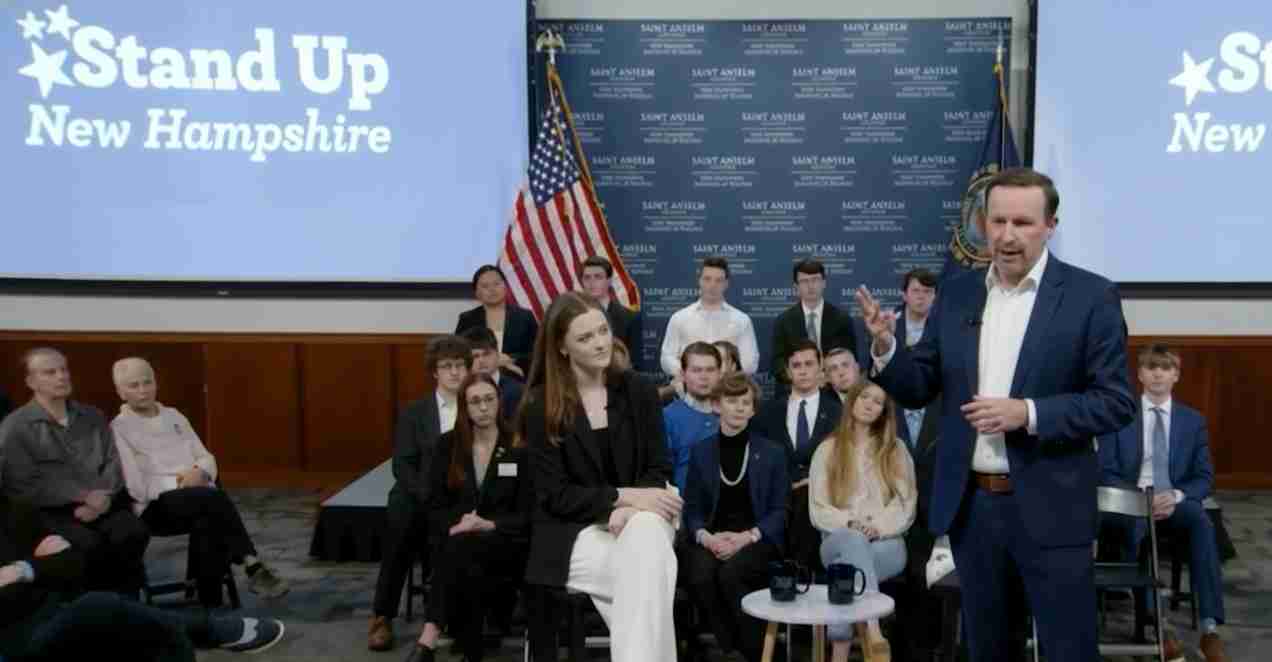
Murphy Presses for Stronger Schumer Role as Democratic Tensions Persist, Urging Support for Bipartisan Policy Solutions
Senator Chris Murphy of Connecticut urged Senate Majority Leader Chuck Schumer to exhibit stronger leadership, urging better management of internal disagreements and greater openness to bipartisan policy measures to break gridlock and advance manageable legislation.
Key takeaways
- Murphy urged firmer management: He told Fox News Digital that Schumer should show more effective leadership in handling internal party disagreements — Source.
- No call to resign: Murphy stopped short of urging Schumer to step down, beginning, “I think Chuck has a super…” and not finishing the sentence — Source.
- Push for bipartisanship: He recommended backing measures with bipartisan appeal, including some once supported by former President Donald Trump, as a path to break stalemate — Source.
What Murphy said — and what he did not
Sen. Chris Murphy, who holds a leadership role within Senate Democrats, spoke in an interview reported by Times Media Service and summarized on AOL. He suggested the Democratic caucus would benefit from clearer, firmer management from the top.
His remarks were framed as a call for better handling of Senate Democratic disputes and for an openness to bipartisan policy solutions. He did not provide a list of specific bills, and the public record remains sparse — Source.
“I think Chuck has a super…”
When asked whether Schumer should remain leader, Murphy avoided a direct answer, starting an incomplete phrase that has fueled questions about his view. The remarks stop short of explicit criticism, signaling unease about leadership style and the pace of resolving internal conflicts — Source.
The context — Senate Democratic disputes and a search for workable bills
The Senate has seen disputes among Democrats over priorities, process and responses to Republican proposals. Some members emphasize progressive goals; others press for pragmatic deals that can pass with cross-party support. Murphy’s reference to backing measures once supported by Donald Trump points to a push for pragmatic compromise.
Advocates of such an approach argue bipartisan solutions can break stalemates and demonstrate results to voters. Critics counter that compromises could undercut party objectives. Murphy’s comments arrive amid narrow majorities, diverse regional priorities and activist pressure — circumstances that test a leader’s ability to build consensus, schedule votes and keep the caucus united — Source.
Bipartisan policy solutions — the practical angle Murphy highlighted
Murphy urged the caucus to consider policies that have attracted cross-party support in the past, including some measures previously backed by former President Trump. The idea: pick attainable battles that can pass and deliver tangible results.
Missing specifics: He did not name particular bills or programs, leaving questions about which bipartisan measures he had in mind and whether rank-and-file Democrats would endorse them — Source.
How Schumer may be viewed within the caucus
Senate Majority Leader Chuck Schumer leads a caucus spanning a range of views. Supporters credit him with navigating a complex Senate; detractors argue he could be firmer in forcing votes or more skillful in managing disputes. Murphy’s remarks fit a pattern of calls for leaders to tighten control or broaden outreach depending on the moment.
Notably, Murphy did not call for Schumer’s resignation, suggesting the message was about operational improvement rather than an overt leadership challenge. Still, public comments can encourage similar expressions of concern, either privately or publicly — Source.
Missing details and open questions for reporters
The public record around Murphy’s remarks is thin: he did not provide specific dispute examples, did not name the Trump-backed policies he referenced, and declined to say whether Schumer should step down. That whitespace invites deeper reporting.
- Which specific disputes worry senators and why?
- Which bipartisan policy solutions are feasible now?
- How widespread are concerns about Schumer’s leadership?
Reporters should seek fuller interviews or follow-up statements from Murphy and other senators to address these questions — Source.
Reaction and potential political ripple effects
Public airing of internal tensions can prod leaders to act, invite scrutiny, and give political opponents material to use. Strategically, urging bipartisan solutions could blunt criticism of gridlock — but it may also create friction with members who view compromise as betrayal.
Whether Murphy’s comments become a catalyst for change or remain a one-off observation depends on the caucus response: quiet private remediation or further public debate — Source.
Implications for Fresno, California
Economic impact: Bipartisan deals and clearer Senate leadership could affect federal funding that matters to Fresno — infrastructure, water projects and agricultural support. Conversely, stalled legislation could delay grants and projects — Source.
Political consequences: Fresno voters often prize practical results. Bipartisanship that yields visible wins may be well-received; ongoing national disputes could shape local campaign narratives about effectiveness and gridlock.
Social effects & cultural relevance: Faster approval of federal programs could boost housing aid, food assistance and water projects. Fresno’s problem-solving political culture may be receptive to pragmatic policy messages, while local leaders may press federal lawmakers for specific commitments.
Practical advice for residents: If Senate leaders pursue bipartisan deals, residents might see quicker approvals for water storage, farm support and infrastructure upgrades. Local governments should monitor developments and be ready to apply for funds; voters should expect national disputes to feature in local messaging.
What to watch next
Watch for follow-up interviews from Murphy, any public statements from Schumer addressing the remarks, and signs the Senate Democratic caucus adjusts scheduling or negotiation tactics. Also monitor whether specific bills are cited as examples of bipartisan policy solutions — these indicators will show if Murphy’s comments signal real change.
Reporting note
This article draws from an account of Sen. Chris Murphy’s interview as summarized by Times Media Service and published on AOL. The primary source for Murphy’s remarks is available on AOL.


