
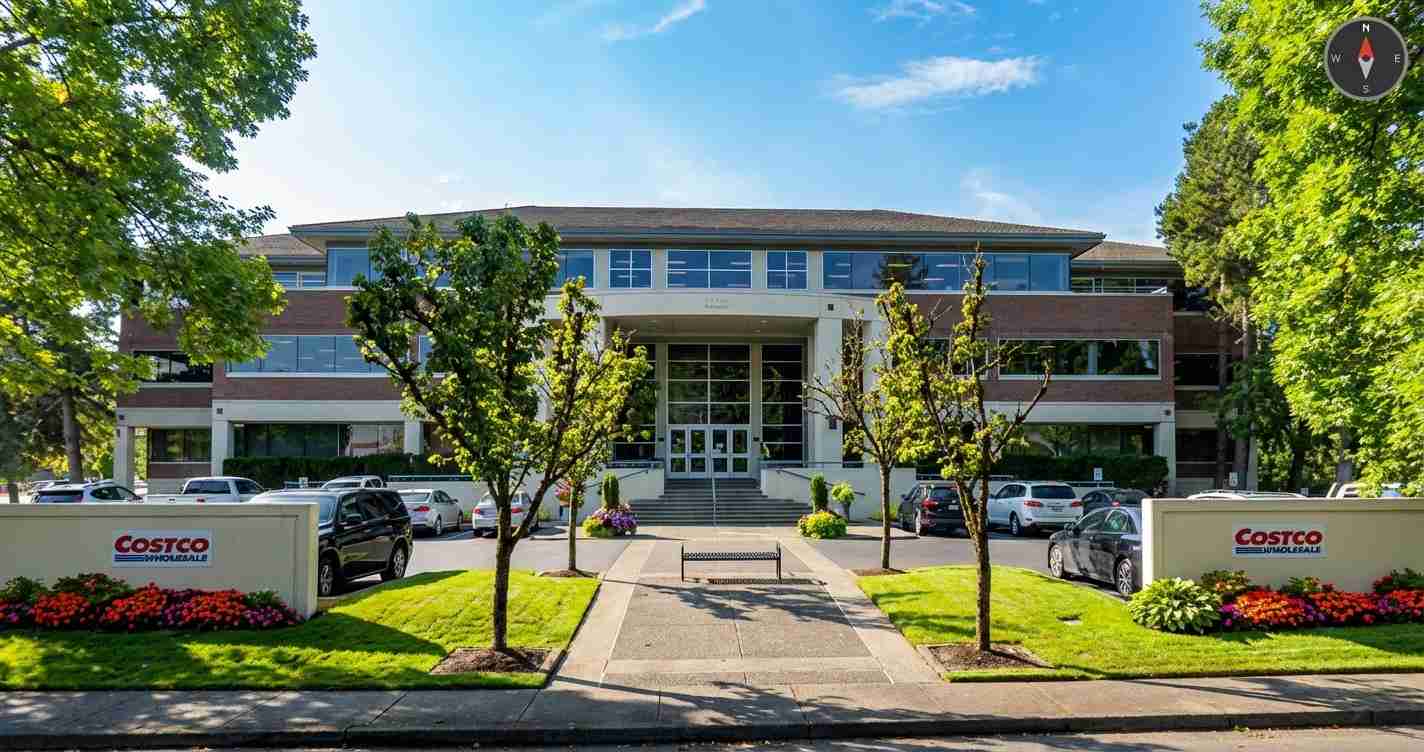
Costco sues over tariffs, challenges Trump emergency tariff orders in federal court
Costco Wholesale Corporation sued the U.S. government in the U.S. Court of International Trade, arguing former President Trump’s IEEPA-based emergency tariff orders unlawfully imposed high duties; the company seeks refunds and to halt liquidation before a Dec. 15 deadline.
Key takeaways
- Costco filed suit in the U.S. Court of International Trade challenging IEEPA-based emergency tariff orders.
- Legal claim: Costco says the International Emergency Economic Powers Act (IEEPA) does not authorize presidential tariff-setting and that the orders are unlawful.
- Millions at stake: Costco says it paid millions in duties in 2025 and risks losing refund rights if Customs liquidates entries by Dec. 15, 2025.
- Broader impact: Dozens of importers and multiple courts are involved; the U.S. Supreme Court heard consolidated arguments on Nov. 5, 2025.
What Costco’s lawsuit says
In a complaint filed in the U.S. Court of International Trade, Costco asks the court to declare the IEEPA-based emergency tariff orders unlawful and to order refunds for duties paid under those orders, plus interest. The company also seeks a court order to block collection of the tariffs going forward and a stay on liquidations that would finalize duty amounts and make refunds difficult or impossible.
Costco says it paid the contested duties throughout 2025 on goods from dozens of countries, including China, Mexico and Canada. Some tariff rates reached very high levels — in some instances exceeding 100% on particular products — and the orders were amended repeatedly, creating uncertainty for buyers, suppliers and operations.
Allegation: Costco alleges Customs denied its request to delay liquidation on Nov. 18, 2025, prompting emergency relief and a motion for a preliminary injunction to halt liquidation while the challenge proceeds.
Legal basis and arguments
The lawsuit centers on the scope of the International Emergency Economic Powers Act (IEEPA). Costco argues IEEPA authorizes sanctions and controls over property and transactions tied to a declared national emergency, but does not grant the president the authority to impose tariffs — a power the Constitution assigns to Congress.
As an alternative, Costco contends that if IEEPA permits the tariff actions, the statute would be unconstitutional because it unlawfully delegates Congress’s exclusive tariff-setting power to the executive without sufficient limits.
Past rulings and the Supreme Court
Several lower courts, including the Court of International Trade and the U.S. Court of Appeals for the Federal Circuit, have questioned whether IEEPA authorizes the tariff orders. Other importers have obtained rulings against the administration’s emergency-tariff actions; for example, V.O.S. Selections, Inc. won rulings that struck down certain orders in earlier proceedings.
The U.S. Supreme Court heard consolidated oral arguments on the legality of the emergency tariffs on Nov. 5, 2025. A decision from the Court is expected in the coming weeks or months and could resolve whether IEEPA lawfully authorizes tariffs, shaping the outcome of Costco’s case and similar lawsuits. Follow coverage at Supreme Court and coverage and see the Supreme Court docket.
Why the Dec. 15 deadline matters
When Customs “liquidates” an import entry it finalizes the duty amount owed for a shipment. Once entries are liquidated, recovering duties becomes far more difficult. Costco says one entry has already been finalized and others are approaching Customs’ Dec. 15, 2025 cutoff. If liquidations occur before a court intervenes, Costco may be unable to obtain refunds for duties it says were unlawfully collected.
For details on liquidation procedures and timeframes see the U.S. Customs and Border Protection liquidation page.
Who else is affected
Costco joins a growing list of companies that have challenged the emergency tariff orders, including apparel makers, automotive parts suppliers, wine and spirits importers, and broadline distributors. If courts block the tariffs or order refunds, many businesses that imported goods in 2025 could recover money paid and avoid future duties tied to the contested orders.
Relief Costco is seeking
- A declaration that the emergency tariff orders were unlawful.
- An order blocking the government from collecting the challenged tariffs on Costco’s future imports.
- Refunds for all IEEPA-based tariffs Costco already paid, plus interest.
- A temporary and then permanent suspension of liquidation for affected entries so Costco can pursue refunds.
- A permanent bar preventing Customs from enforcing the specific tariff codes for Costco’s imports.
What the government has said
According to Costco’s complaint, Customs denied the administrative request to delay liquidation on Nov. 18, 2025. The Department of Justice represents the government in trade litigation and will present the administration’s legal defenses in court. Follow official materials from the U.S. Department of Justice.
Implications for Fresno, California
Economic impact
Consumer prices: Costco operates multiple warehouse locations in Fresno and the San Joaquin Valley. If Costco recovers duties or the tariffs are struck down, prices on some imported goods could fall or stabilize. If the tariffs remain, higher costs could push up prices for shoppers in Fresno.
Local businesses and suppliers: Fresno-area small businesses that buy wholesale goods — including food distributors, restaurants and retailers — could see cost changes. Imported packaging, machinery parts or ingredients could become more expensive if tariffs stand.
Jobs and distribution: The Central Valley is a logistics hub. Changes in import rules can affect demand for local warehousing, trucking and distribution. A favorable outcome for importers could ease cost pressures and support local operations that serve Costco stores and other retailers.
Political consequences
Local representatives may be asked to weigh in. The dispute touches on federal trade policy and executive authority and could draw attention from both parties. Local leaders may pressure federal agencies or support measures to protect area businesses; outcomes could influence voter views on trade and executive power.
Social effects
Many Fresno families rely on warehouse shopping to stretch household budgets. Tariffs that increase prices on basic goods could add strain, while refunds or stoppage of tariffs could provide relief. Because Fresno is a major agricultural producer, some farm inputs and processing equipment that are imported could be affected, indirectly impacting the region’s ag economy.
Cultural relevance
Fresno residents tend to prioritize affordability and practical solutions. The legal fight — framed as a rule-of-law issue or a consumer-cost issue — will likely be viewed through that local lens and may resonate with owners of family-run businesses and regional distributors who both shop at and supply Costco.
Practical applications for residents
- Shoppers: Watch for price changes at local Costco and other stores depending on court rulings and Customs actions.
- Businesses: Importers should consult trade counsel to track liquidation schedules and consider filing claims or seeking administrative stays.
- Local government: Economic development offices may need to assess supply-chain risks and be ready to support affected businesses.
Sources and context for readers
Primary sources and helpful links:
- Text of the International Emergency Economic Powers Act
- U.S. Court of International Trade
- U.S. Customs and Border Protection — liquidation information
- Costco news releases and investor site
- Reporting and analysis on the Supreme Court oral arguments and related trade cases
Note: This case is likely to move quickly because of the Dec. 15 liquidation deadline and the pending Supreme Court decision that could resolve the central legal question about IEEPA and tariffs.



