
Former Fed chairs, Treasury chiefs defend Powell as DOJ probe into Fed headquarters renovation draws bipartisan alarm
Former Fed chairs and Treasury secretaries jointly defended Chair Jerome Powell, condemning a DOJ criminal probe tied to his testimony on the Fed’s $2.5 billion headquarters renovation as an unprecedented threat to central bank independence.
Key takeaways
- Senior officials speak out: Former Fed chairs and Treasury secretaries issued a joint defense of Powell, calling the probe a threat to Fed independence — see the joint statement.
- Powell denies wrongdoing: He confirmed grand jury subpoenas were served and said the probe aims to pressure the Fed on interest rates — Powell’s statement.
- Origins in congressional referral: The inquiry follows a criminal referral by Rep. Anna Paulina Luna over testimony about the renovation project.
- Local stakes for Fresno: Political pressure on the Fed could affect borrowing costs, housing, and agricultural credit in Fresno and similar markets.
What the joint statement said
A rare coalition of former Fed chairs — including Alan Greenspan, Ben Bernanke and Janet Yellen — together with former Treasury secretaries Timothy Geithner and Henry Paulson, released a public defense of the Federal Reserve’s institutional independence. The group characterized the DOJ action as “an unprecedented attempt to use prosecutorial attacks to undermine [Fed] independence.” For reporting on the statement, see the ABC News summary.
Powell’s response and DOJ action
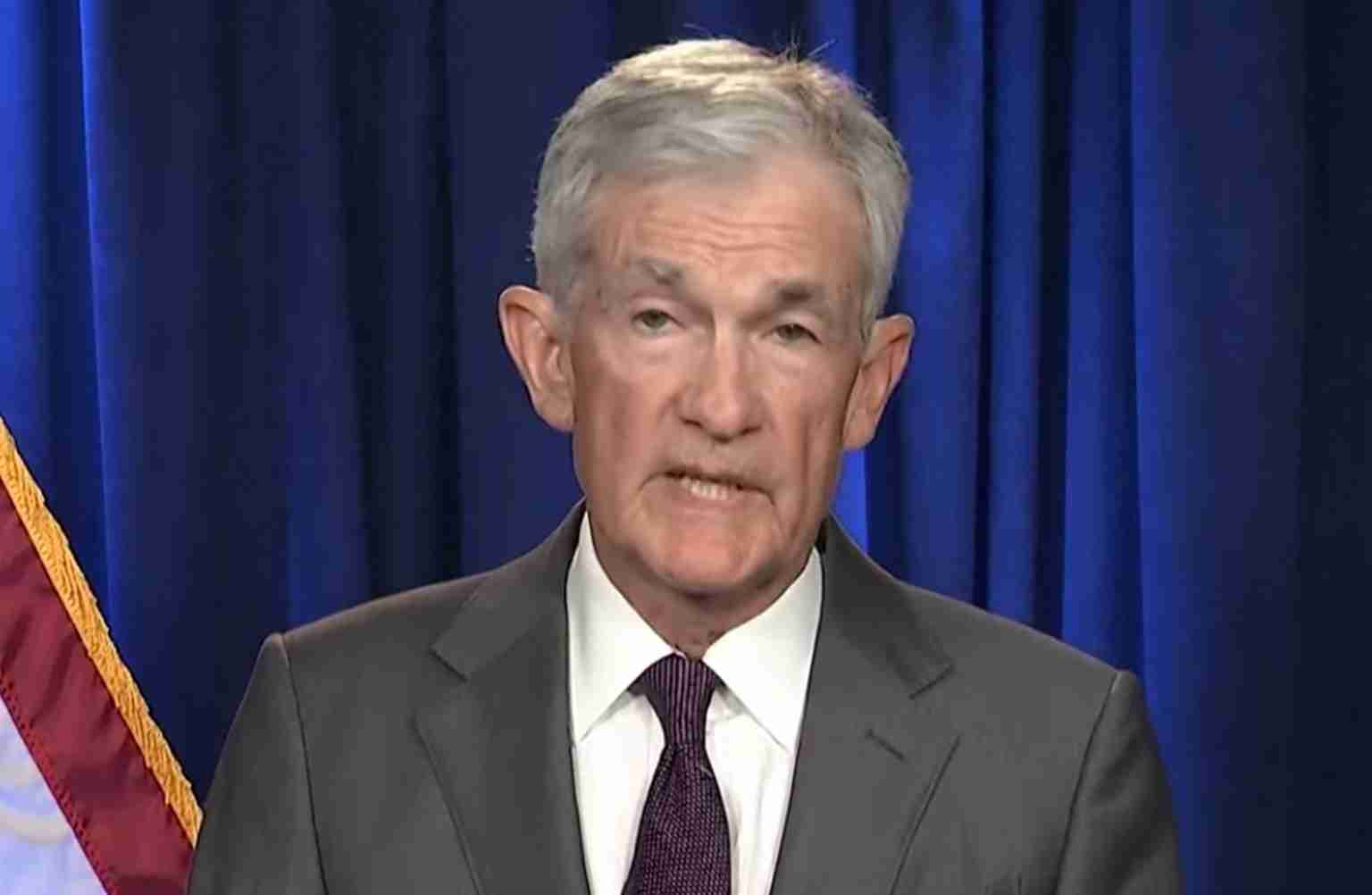
In a video statement, Powell confirmed that the Justice Department served grand jury subpoenas to the Federal Reserve and emphasized he would cooperate with lawful requests. He denied any criminal wrongdoing and argued the investigation is being used to pressure the Fed to change interest-rate policy. Read his remarks on the Federal Reserve website.
Powell: “No one — certainly not the chair of the Federal Reserve — is above the law,” and decisions should be based on “evidence and economic conditions” rather than political pressure or intimidation.
Origins of the probe: the renovation and the referral
The investigation stems from a July criminal referral by Rep. Anna Paulina Luna (R-Fla.), alleging Powell gave false testimony to the Senate Banking Committee about the Fed’s $2.5 billion headquarters overhaul. The Fed says cost adjustments reflected long-term savings and operational consolidation; critics say overruns and explanations were unclear. See ABC News reporting on the initial inquiry here.
Political reaction on Capitol Hill
The probe prompted swift, bipartisan pushback. Republican Senator Thom Tillis warned he would block Fed nominees; Senator Lisa Murkowski questioned DOJ priorities; Senate Majority Leader John Thune demanded evidentiary support for criminal action; Senator Elizabeth Warren accused the administration of using DOJ to influence federal institutions. Reporting on the Hill’s response is available via ABC News and Fox Business.
Federal Reserve explanation of the renovation
The Fed has defended project decisions and said many amenities were removed to reduce long-term operating costs and consolidate multiple sites. Powell explained that some design changes — such as removing rooftop terraces and private elevators — were intended to lower ongoing expenses while improving operational efficiency. The Fed’s public materials and Powell’s remarks are posted on the Federal Reserve site.
Implications for Fresno, California
Local stakeholders in Fresno monitor Fed policy closely because it affects borrowing costs for mortgages, small-business loans and farm credit. Potential consequences include:
- Economic impact: Political pressure that forces lower rates now could briefly help borrowers but risk future inflation and price instability, hurting fixed-income residents and long-term purchasing power.
- Local banking and lending: Uncertainty could raise volatility in rates and bond markets, complicating lending decisions for regional banks and agricultural producers.
- Housing market: Mortgage-rate volatility would create unpredictability for first-time buyers and could affect housing affordability initiatives.
- Political and social effects: Local leaders may press lawmakers to defend institutional stability; low- and middle-income households could be most harmed by inflationary outcomes.
- Practical actions: City officials, lenders and nonprofits should monitor developments and consider contingency planning for municipal borrowing and loan programs.
What to watch next
- Whether the DOJ escalates from subpoenas to grand jury testimony and any formal charges — coverage at ABC News.
- Any further disclosures from the coalition of former officials or additional Fed timelines and renovation documentation — see the coverage.
- Congressional actions such as holds on nominees or oversight hearings that could reshape how the Fed is supervised — reported in part by Fox Business.



