
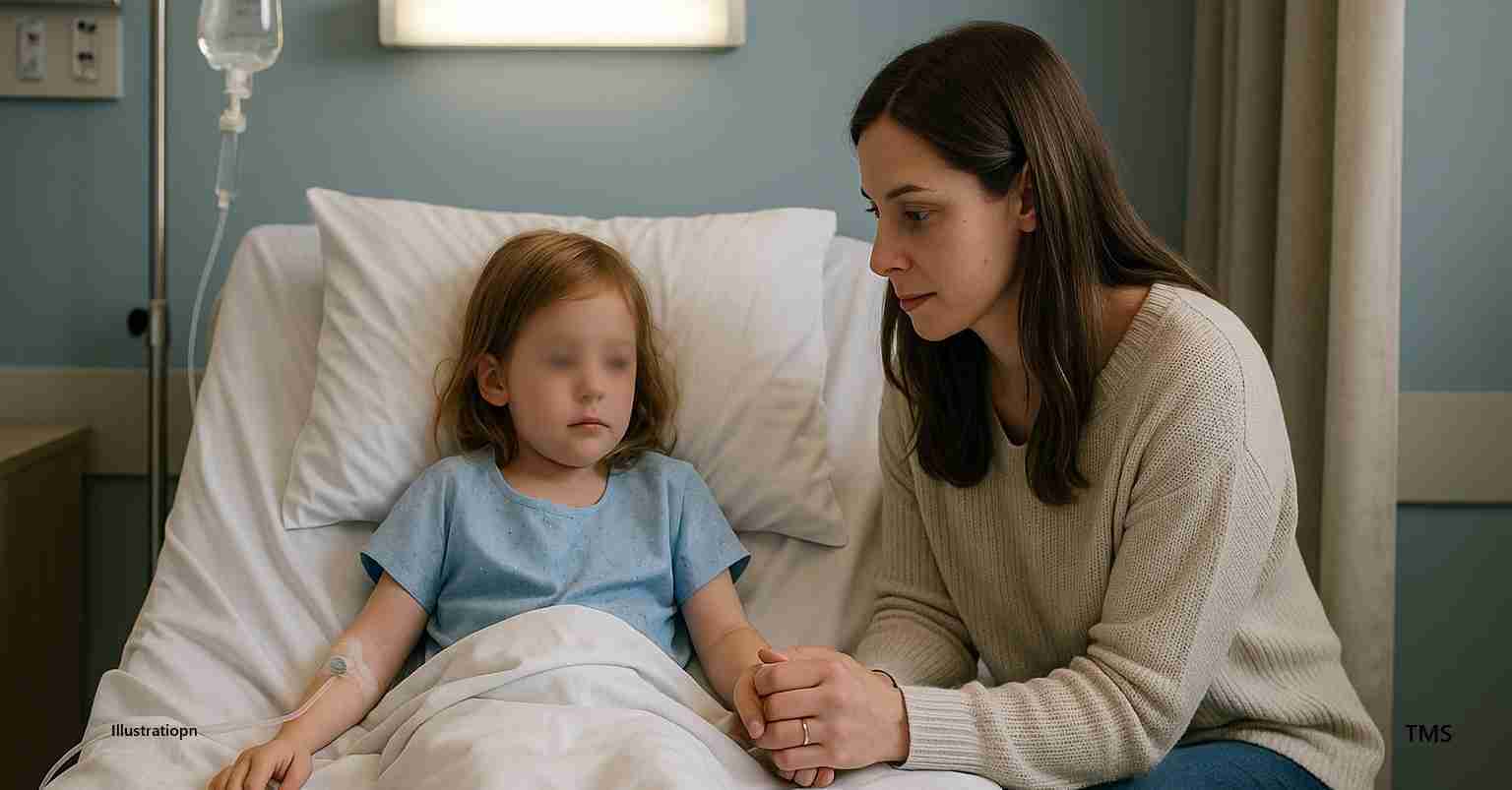
Hidden infection kills millions of children each year as doctors warn of overlooked symptoms; early detection key to preventing sepsis deaths
Sepsis, a life-threatening response to infection, kills millions of children worldwide annually; early symptoms are often subtle, so rapid recognition, urgent intervention, and treatment are essential to prevent organ failure and save young lives everywhere.
- Sepsis can follow any infection — even minor wounds or routine illnesses; learn more from the AHA analysis and the CDC sepsis toolkit.
- Pediatric sepsis is a major global killer and may account for nearly one-quarter of child deaths worldwide, per reviews summarized by Wolters Kluwer and public health analyses.
- Early signs are often subtle and different from adults; prompt IV fluids, antibiotics and critical care markedly improve survival (see guidance from Yale Medicine and the AHA).
What is sepsis — and why children are at risk
Sepsis occurs when the body’s response to infection spirals out of control, causing widespread inflammation that can damage organs and lead to organ failure. Any infection — from a scraped knee to pneumonia — can trigger this process (AHA overview; Yale Medicine).
Children are especially vulnerable: infants and toddlers often show faint, vague signs that are easy to miss. Those born prematurely, with chronic conditions, unvaccinated, or immunocompromised face higher risk (Wolters Kluwer; AHA).
“Not quite right” in a sick child should prompt urgent evaluation, researchers stress — because early detection saves lives.
Signs parents and clinicians must not ignore
Early warning signs of pediatric sepsis can be subtle. Watch for:
- Temperature changes: fever or an unusually low temperature (Yale Medicine).
- Behavioral changes: lethargy, confusion, a child who seems “not right,” or difficulty waking (AHA).
- Breathing problems: fast or difficult breathing, or in infants a drop in breathing rate (Yale Medicine).
- Feeding and output: poor feeding, vomiting, or fewer wet diapers in babies (CDC sepsis toolkit).
- Skin and circulation: pale, mottled, or bluish skin; very fast or unusually slow heartbeat — in infants, even slowing of heart or breathing rates can be a red flag (AHA).
There is no single lab test that confirms sepsis; clinicians look for patterns and run blood work, urine tests and imaging to identify the infection source and degree of organ dysfunction (Yale Medicine).
Global scale and underdiagnosis
Reviews show pediatric sepsis is a major global killer. In many low- and middle-income countries sepsis deaths are undercounted because records list the immediate infection — such as pneumonia or diarrhea — rather than sepsis itself, masking the true burden (AHA; Wolters Kluwer).
Why early detection saves lives
Time matters. Prompt recognition enables immediate lifesaving steps: IV fluids, rapid antibiotics when bacterial infection is suspected, and other critical care measures (Yale Medicine; AHA).
Because many children develop sepsis before reaching hospital care, educating parents, school staff and emergency responders about childhood sepsis symptoms is essential to prompt care (CDC sepsis toolkit).
Prevention strategies health experts recommend
Public health measures can reduce the risk that common infections progress to sepsis:
- Vaccination: routine immunization reduces severe infections such as meningococcus and Haemophilus influenzae that can lead to sepsis (AHA).
- Hygiene and wound care: good handwashing and prompt cleaning of cuts help prevent infections (CDC).
- Antimicrobial stewardship: using antibiotics only when needed slows resistance and protects children from infections that are harder to treat (Wolters Kluwer).
Who is most at risk
Highest risk groups include: infants (especially premature), children with chronic medical conditions, the immunocompromised, and unvaccinated children or those too young to be immunized (AHA; Wolters Kluwer).
A call from researchers — and a caution
Research teams worldwide — including leaders at major pediatric centers — urge improved awareness, surveillance and faster hospital response systems to save thousands of young lives annually (AHA; CDC).
The reporting prompt noted a team leader at the Murdoch Children’s Research Institute emphasized early detection and awareness; while a direct quoted statement was not publicly available, the broader evidence base supports urgent evaluation for any child who is “not quite right” (Wolters Kluwer).
Recommendations for caregivers and health systems
- Seek immediate care if a child with infection becomes unusually sleepy, breathes rapidly or with difficulty, changes skin color, or feeds poorly (AHA; CDC).
- Schools and daycares: have clear plans to get sick children evaluated.
- Hospitals and clinics: train staff to spot sepsis and act fast; adopt screening checklists and referral pathways.
- Communities: promote immunization and basic infection prevention like handwashing (CDC).
Implications for Fresno, California
Economic: Fresno’s health systems serve diverse and often underserved communities. Preventing child sepsis through vaccination drives and outreach can lower emergency care costs, shorten hospital stays and protect family incomes.
Political: Local leaders can make sepsis awareness part of community health planning. Investing in parent education, school nurse training, and vaccination clinics is a nonpartisan way to improve child health outcomes.
Social and cultural: Working parents may delay care because of work constraints; clear, multilingual messaging, flexible clinic hours and school-based services — delivered via trusted community institutions such as churches and nonprofits — will improve early care-seeking.
Practical applications: Fresno schools and pediatric clinics should include sepsis warning signs in parent handouts and vaccination reminders. Pediatricians and urgent care centers can adopt screening checklists and referral pathways to regional hospitals. Parents should seek care for any child who is not behaving like themselves (CDC; Yale Medicine).
Bottom line: Awareness, vaccination, hygiene, careful antibiotic use and rapid medical action for children who are “not quite right” can prevent many sepsis deaths. For resources and practical toolkits, see the CDC sepsis toolkit, the AHA briefing, expert analysis from Wolters Kluwer, and clinical guidance at Yale Medicine.



