
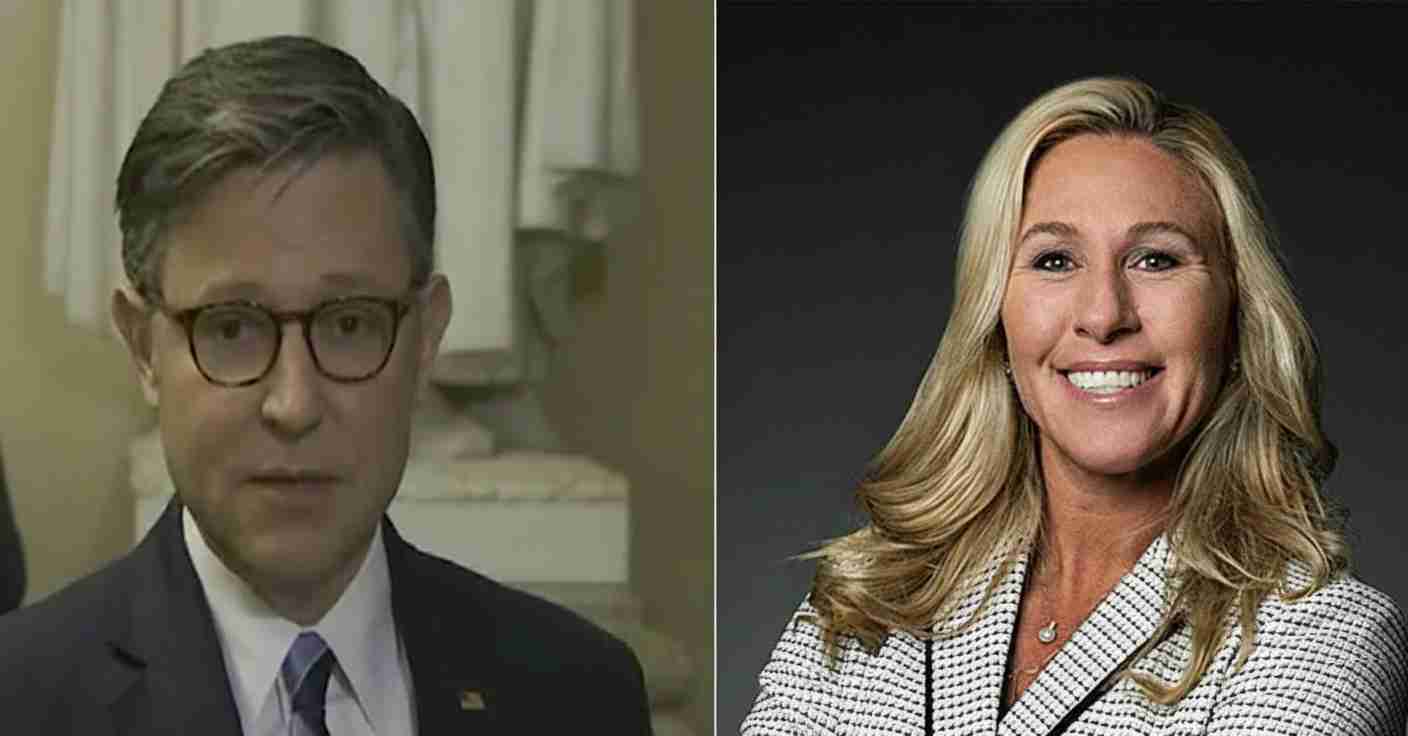
Greene-Johnson clash exposes widening GOP internal tensions over shutdown strategy
Rep. Marjorie Taylor Greene confronted Speaker Mike Johnson on a private GOP call, sharply criticizing his shutdown and healthcare strategy and exposing widening divisions within the House Republican conference as leaders face hardline demands and looming deadlines.
Key takeaways
- Heated private exchange: Greene challenged Johnson on a GOP conference call over healthcare alternatives and funding strategy, pressing for specifics. (CBS News; Ground News)
- Demand for bold tactics: Greene urged full appropriations rather than short-term continuing resolutions and pushed leadership toward confrontational maneuvers. (Fox5 Atlanta)
- Leadership strain: Johnson responded publicly with measured remarks while internal divisions risk complicating shutdown negotiations and local impacts. (The Independent; YouTube clip)
What happened on the call
On Tuesday, members of the House Republican conference joined a private call to discuss strategy as lawmakers faced the looming possibility of a government shutdown. During that discussion, Rep. Marjorie Taylor Greene pressed Speaker Mike Johnson for specifics on the GOP’s approach to funding and healthcare policy.
Multiple accounts say Greene accused leadership of failing to present clear alternatives to the Affordable Care Act or a unified path forward. (Sources: CBS News; Ground News).
According to participants and media reports, Greene asked pointed questions about the value of short-term funding fixes and demanded details on long-term goals. She repeatedly pressed Johnson with the line,
“How does that help us, Marjorie?”
— a refrain that underscored frustration among hardline members who want bold conservative wins rather than temporary measures. (CBS News; Fox5 Atlanta).
Greene’s grievances and demands
Greene’s public comments and the reports from the call reveal several clear demands. She sought:
- Transparency on healthcare: Specific plans to replace or alter the Affordable Care Act and concrete policy proposals for the conference. (Ground News)
- No more piecemeal funding: A shift away from short-term continuing resolutions toward full appropriations packages aligned with conservative priorities. (Fox5 Atlanta)
- More aggressive tactics: Consideration of procedural options in the Senate and party-wide confrontational moves to overcome Democratic resistance. (Fox5 Atlanta)
Greene framed these demands as necessary to demonstrate strength and deliver tangible wins to conservative voters. Her tone — at times sharp and accusatory — made clear that parts of the conference view current leadership strategy as weak or indecisive. (CBS News; Fox5 Atlanta).
Johnson’s response and leadership challenge
Speaker Johnson’s handling of the confrontation was relatively calm in public remarks. Observers noted he did not match Greene’s heat, and a short Capitol Hill exchange that circulated widely showed Johnson saying, “Bless her heart,” after one of Greene’s outbursts — a moment that became a viral symbol of the uneasy dynamic between the speaker and aggressive conservative members. (The Independent; YouTube).
Behind the scenes the clash signals a leadership problem: Johnson must balance demands from hardliners like Greene with the need to find workable deals that avert a shutdown and keep the government running. That balancing act has intensified as deadlines approach and Senate dynamics make the path to major policy changes uncertain. (CBS News; Fox5 Atlanta).
GOP internal tensions and the shutdown test
The Greene–Johnson clash highlights broader tensions over strategy. Hardliners argue for maximalist tactics and bargaining leverage, while cautious Republicans and leaders warn that brinkmanship could spark a damaging shutdown without clear gains. The dispute raises questions about discipline, messaging and whether the conference can present a united front on issues like healthcare and spending. (CBS News; Ground News).
Some Republicans are reportedly considering procedural maneuvers in the Senate to break Democratic resistance — steps Greene has advocated publicly. Such moves carry political risks and could deepen intra-party divisions if leadership and rank-and-file members disagree on timing and tactics. (Fox5 Atlanta).
What this means for policy and the public
Immediate fallout: Without clear alternatives from House leadership on healthcare or a unified plan for appropriations, negotiations with Senate Democrats and the White House are likely to stall or become more fraught. That increases the risk of stopgap funding, short-term continuing resolutions or an actual government shutdown — each with consequences for services and federal employees. (CBS News; Ground News).
Implications for Fresno, California
Economic impact
A partial or full government shutdown could disrupt federal services that matter to Fresno residents. USDA programs supporting local farmers, farm labor services and nutrition programs like SNAP can slow or face delays, potentially affecting farm income and household food support in Fresno County. Shutdowns can also delay federal loans and permits tied to agriculture and water projects important to the Central Valley. (Source context: national shutdown reporting — CBS News).
Political consequences
The clash may influence local politics: Fresno-area moderates could view in-fighting as a sign lawmakers are distracted from local priorities like water, flood protection and federal support for agriculture. Local representatives may face pressure to seek pragmatic funding solutions rather than ideological standoffs. (Source context: national reporting — CBS News).
Social effects
Federal workers in Fresno and the Central Valley could face pay uncertainty. Community programs that rely on federal funding could see temporary halts or reduced services, including public health initiatives and housing supports. For families relying on SNAP or other benefits, delays in processing or funding could increase hardship. (Source context: national reporting — CBS News).
Cultural relevance
Fresno’s economy and identity are closely tied to agriculture and small businesses. Local attitudes tend to favor practical solutions that keep services running and support economic stability. The public clash inside the GOP may reinforce calls from moderate voters for leaders who prioritize local needs and avoid risky brinkmanship.
Practical applications for residents
- Contact your representative: Fresno residents can reach out to members of Congress to express whether they favor short-term funding deals or full appropriations that protect local priorities.
- Monitor federal services: Residents who rely on federal programs should watch announcements from agencies about potential service changes or temporary closures.
- Prepare for disruptions: Federal employees and contractors should plan for possible short-term income interruptions and stay in touch with local employers and benefits offices.
Sources and reporting notes
This article draws on reporting of the private GOP conference call and public statements from participants. Key sources include live coverage and analysis from CBS News, a Ground News report detailing Greene’s claim that Johnson refused to share healthcare plans on the call (Ground News), and coverage from Fox5 Atlanta on Greene’s public criticisms of GOP leadership over the shutdown.
Video captures of interactions, including the viral exchange where Johnson said “Bless her heart,” are available in public clips: YouTube clip 1; YouTube clip 2. Additional context was reported by The Independent.
Summary: The Greene–Johnson clash and the wider debate over shutdown strategy make clear that divisions within the Republican conference have real consequences for policy, governance and communities like Fresno that depend on steady federal support and clear leadership.



