
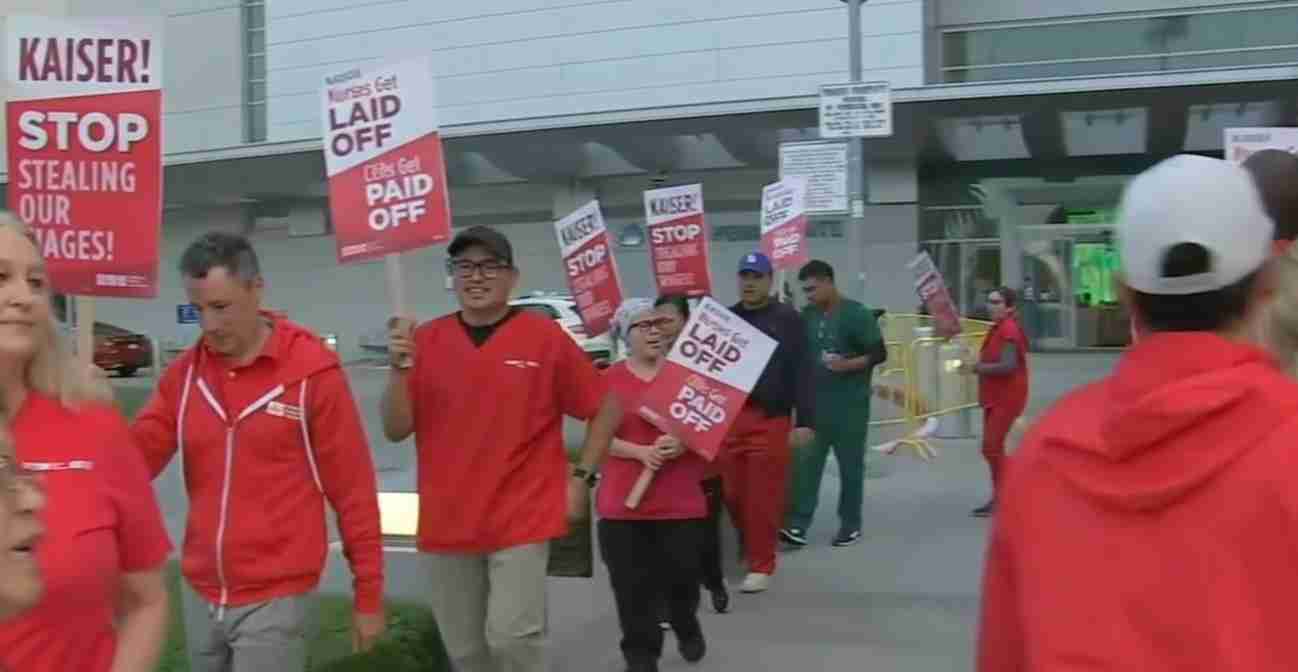
Kaiser Permanente strike ends after planned five days; unions and management agree to return to talks
The planned five-day strike by more than 75,000 Kaiser Permanente union members concluded as scheduled, affecting facilities across multiple states. Union and management have agreed to resume talks amid disputes over staffing, wages, benefits and outsourcing.
- Largest U.S. health care worker strike: Over 75,000 workers staged a planned five-day walkout across several states.
- Core issues: Chronic understaffing, wages, benefits and protections against outsourcing remain central to negotiations.
- Next steps: Both sides have agreed to return to the bargaining table with federal mediators involved; unions left open future job actions.
Background: how the dispute grew
Kaiser Permanente is one of the largest nonprofit health systems in the United States. Tens of thousands of workers — nurses, imaging and pharmacy technicians, licensed vocational nurses, receptionists, janitors and other staff — are covered by a coalition of unions bargaining for a new contract. Union leaders say negotiations stalled over safe staffing levels and pay that keeps pace with rising costs. Kaiser says it seeks a fair agreement while keeping patient care safe.
For union communications see Coalition of Kaiser Permanente Unions and SEIU-UHW. For Kaiser statements see Kaiser Permanente press releases and updates.
Details of the five-day strike
The strike began in early October and involved walkouts at Kaiser hospitals, medical centers and clinics across several states, including many facilities in California. Organizers called it the largest health care worker strike in U.S. history because of the number of workers who participated. The planned five-day action was designed to pressure Kaiser at a key point in bargaining without creating a prolonged disruption.
Union leaders said the walkout showed unity among staff and underscored the urgency of addressing understaffing. Reporting and union releases documented widespread participation and coordinated actions across multiple jurisdictions.
Impact on patients and operations
Kaiser reported keeping emergency departments open and maintaining essential services by shifting managers and bringing in temporary staff. Some non-urgent appointments and elective procedures were delayed; patients reported longer waits for medications and routine care in certain locations.
Union messaging emphasized that the strike was staged to minimize harm to critical patients while calling attention to safety risks from understaffing. Health policy analysts warn that prolonged staffing shortfalls can increase errors and reduce access to care.
How the walkout ended and the next steps
The five-day action ended as planned with no final contract signed. Both sides issued statements saying they would return to the bargaining table. Federal mediators have been involved at points in bargaining, and both parties signaled willingness to continue mediated sessions if progress stalls. Union officials have warned of possible future strikes if core issues — especially staffing — are not resolved.
The core disputes: staffing, wages and outsourcing
- Understaffing: Unions push for concrete staffing ratios or guarantees to ensure units have enough qualified staff for safe patient care.
- Wages and benefits: Workers seek higher pay to keep up with inflation and stronger benefit protections; Kaiser says its offers are competitive.
- Outsourcing and job security: Unions want limits on outsourcing and protections for members whose jobs could be contracted out.
Voices from both sides
Union leaders described the strike as a demonstration of solidarity focused on patient care and worker safety. “We needed to show the company the depth of concern about safe staffing,” a union spokesperson said in a prepared statement. Kaiser spokespeople emphasized efforts to keep care available during the strike and said the company remains committed to bargaining. Both sides publicly framed goals around patient well-being, even as they disagree on remedies.
Broader context: what this means for U.S. health care
Labor experts say the Kaiser strike reflects wider trends since the COVID-19 pandemic: higher burnout, worker shortages and stronger labor organizing in health care. The dispute could set an example for other health systems and unions negotiating staffing and compensation. Observers note that how Kaiser and the unions resolve staffing questions may influence hospital practices beyond the company’s footprint.
Implications for Fresno, California
Economic impact: Kaiser operates facilities in Fresno and the Central Valley. Even a planned five-day strike can ripple through local clinics and pharmacies; delays in non-urgent care and prescription refills may push patients to other providers or emergency rooms.
Political and social effects: Fresno elected leaders and health officials watch staffing and patient-safety debates closely. Community groups may step up efforts to help vulnerable patients navigate care during bargaining or future job actions.
Practical advice: Patients in Fresno should plan for possible delays in routine care while negotiations continue and check appointment and pharmacy status with Kaiser or union notices.
Sources and further reading
- Kaiser Permanente press releases and updates
- Coalition of Kaiser Permanente Unions
- SEIU-UHW
- National Union of Healthcare Workers
- Associated Press
- Reuters
- The New York Times
- Los Angeles Times
- CNN
- NPR
For Fresno patients: Check local clinic notices from Kaiser Permanente and communications from the union coalition for updates on service hours and appointments.



