
Minnesota warns of TMVII outbreak — a sexually transmitted fungal infection causing ringworm-like rashes
Minnesota is confronting the nation’s largest known outbreak of TMVII, a sexually transmitted fungal infection that causes ringworm-like rashes. Health officials urge vigilance, testing, and specific antifungal treatment to curb spread across the Twin Cities and beyond.
- Outbreak scale: Minnesota has reported the nation’s largest known cluster of Trichophyton mentagrophytes genotype VII (TMVII), with cases concentrated in the Twin Cities since July 2025.
- Diagnosis and care: TMVII can mimic eczema or psoriasis; confirm with a lab fungal test and treat with prescription oral antifungals for several weeks to months.
- Transmission: Spreads primarily via direct skin-to-skin contact, including sexual contact, and can persist on shared items or surfaces.
- Public health action: The Minnesota Department of Health has enhanced surveillance and asks clinicians to report and send isolates for confirmation.
What is TMVII
TMVII is a specific genotype of the fungus Trichophyton mentagrophytes. It is related to fungi that cause common conditions such as ringworm, jock itch and athlete’s foot, but is notable for spreading within sexual networks and by direct skin-to-skin contact. Reporting and summaries referenced include CBS News and Fox News.
Symptoms and appearance
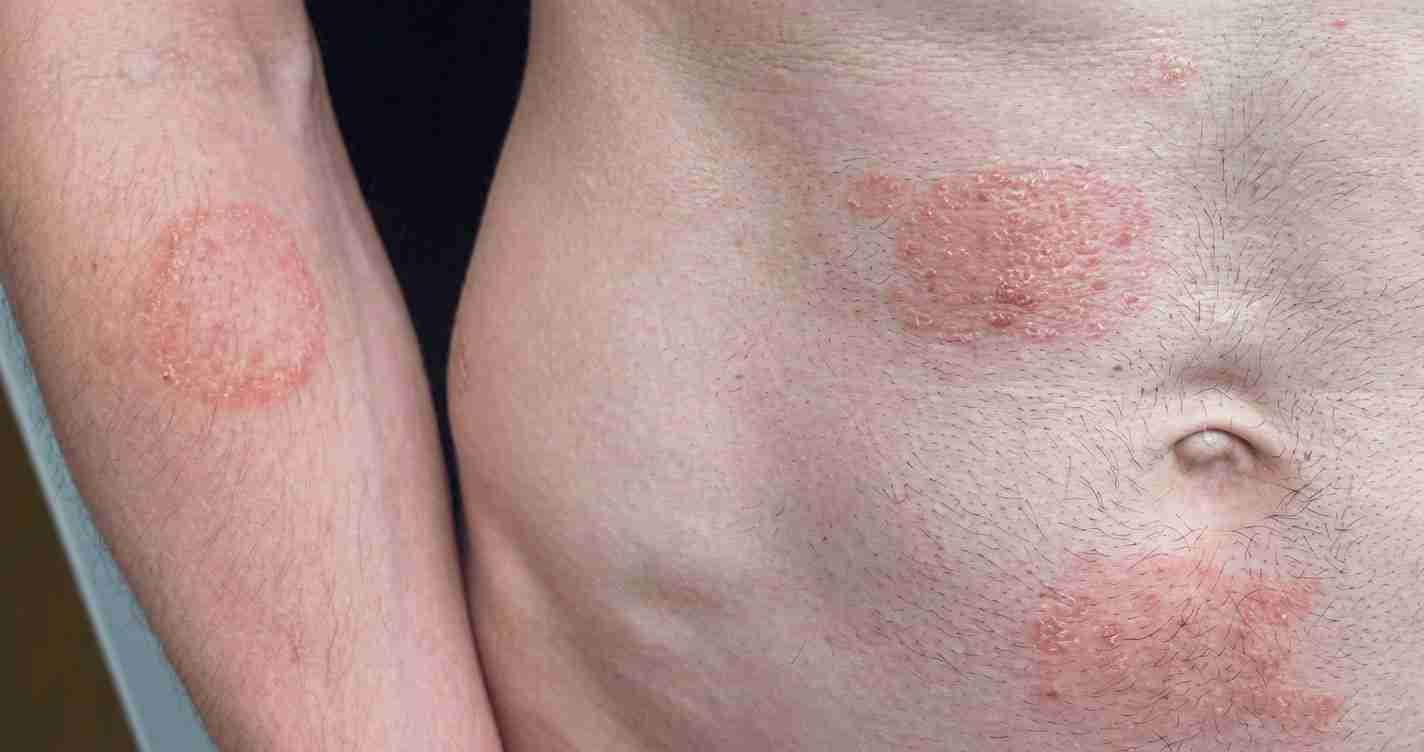
People with TMVII most often develop round, coin-shaped rashes that are red, irritated and sometimes raised. Lesions may be itchy or painful and can show bumps or pimples on top. Reported lesion sites include the arms, genitals, buttocks, legs, trunk, perianal area, thighs and abdomen. Because these rashes can resemble eczema or psoriasis, TMVII may be misdiagnosed without proper testing (CBS News; CIDRAP; KATV).
Risk groups and how it spreads
Public health reports indicate TMVII has been most commonly identified among men who have sex with men and among commercial sex workers, though it can infect anyone with direct skin contact with an infected person. A prior history of sexually transmitted infections may be a risk factor. The fungus spreads through direct skin-to-skin contact and can sometimes transmit via spores left on surfaces or shared items (CBS News; Fox News; CIDRAP).
Diagnosis
Clinicians should suspect TMVII when a genital or nearby rash does not respond to typical over-the-counter topical antifungals. Confirmatory diagnosis often requires a skin scraping sent to a laboratory for fungal testing. The Minnesota Department of Health has advised providers to consider TMVII for genital or perigenital lesions and to report suspected cases for testing (Fox News; CIDRAP).
Treatment and expected course
TMVII is treatable with prescription oral antifungal medications. Treatment generally takes longer than for routine ringworm — often several weeks to as long as three months for full resolution. Current antifungals appear effective, but patients must complete therapy and follow medical advice to prevent recurrence (CBS News; Fox News).
Advice from experts
“The symptoms are similar to that of the usual cases of ringworm or jock itch and depend on the part of the body that became infected,” Dr. Hayden Andrews of UT Southwestern Medical Center told Fox News. “These usually manifest as round, itchy spots that may have a rough appearance and could be mistaken as eczema.”
Prevention and control measures
Health authorities recommend the following steps for people diagnosed with or concerned about TMVII:
- Notify partners: Tell recent sexual partners so they can seek care (CBS News).
- Avoid skin-to-skin contact: Do not have sex or other direct skin contact until treatment is complete and lesions have healed (CBS News; Fox News).
- Do not share personal items: Avoid sharing clothing, towels, bedding or personal items that touch affected skin (CBS News).
- Disinfection: Wash linens and towels on high heat and disinfect bathing areas (Fox News).
Public health response
After multiple patients reported contacts who might be infected, the Minnesota Department of Health (MDH) established enhanced surveillance to identify more cases. MDH has requested clinicians report suspected infections and send fungal isolates to the state public health lab for confirmation. The federal Centers for Disease Control and Prevention has tracked cases in several U.S. cities as officials monitor potential spread beyond known clusters (Fox News; CIDRAP).
Why the outbreak matters
Ringworm and related fungal skin conditions are common and often mild, but TMVII’s transmission through sexual networks and the size of the Minnesota cluster are notable. If not recognized and treated promptly, infections can worsen or cause scarring. People with weakened immune systems may develop deeper or more widespread infections (Fox News).
Implications for Fresno, California
Economic impact: Local clinics, urgent care centers and sexual health clinics in Fresno could see increased patients with unexplained rashes, creating short-term costs for testing and treatment. Community health programs may need to allocate resources for education, testing supplies and antifungal medications.
Political consequences: Public health messaging should be clear and nonpartisan. Fresno leaders and county health officials should prepare neutral, fact-based guidance to avoid stigma and encourage care-seeking. Coordination with the California Department of Public Health can align local advice with state recommendations.
Social effects: TMVII’s sexual-transmission link can cause embarrassment and stigma. Outreach should stress that anyone can be infected via skin contact and that early treatment is effective. Trusted local partners — clinics, faith groups and community centers — can help communicate calm, clear information.
Cultural relevance: Fresno’s diverse communities may have varying views on sexual health. Messages should be culturally sensitive and available in Spanish and other commonly spoken languages. Practical, respectful guidance — such as avoiding skin-to-skin contact while treated and laundering bedding — will be most effective.
Practical advice for residents: Check for persistent rashes, especially near the genitals or buttocks, and seek medical care. If diagnosed, inform sexual partners, avoid sex and direct skin contact until treatment is complete, and follow laundering and cleaning steps to reduce spread. Local clinics and emergency departments should consider TMVII in the differential diagnosis for stubborn rashes (CBS News; Fox News).
Timeline and case counts
The first U.S. TMVII case was identified in New York City in mid-2024. Minnesota’s first confirmed TMVII case was reported in July 2025. Since July 2025, Minnesota has confirmed 13 cases and identified 27 suspected cases, with most clustered in the Twin Cities metropolitan area (KSTP; CBS News; Fox News).
Sources and reporting
Primary reporting and summaries used for this article include:
- CBS News (Minnesota TMVII outbreak coverage)
- Fox News (state confirmation and expert comments)
- CIDRAP (public health analysis)
- KSTP (timeline and context)
- KATV (symptom reporting and locations)
If you think you may have a TMVII infection
Seek medical care from local health departments, clinics or providers for testing and appropriate prescription antifungal treatment. Early diagnosis and adherence to treatment reduce the risk of spread and complications. Tell sexual partners and follow laundering and disinfection guidance to protect others.



