
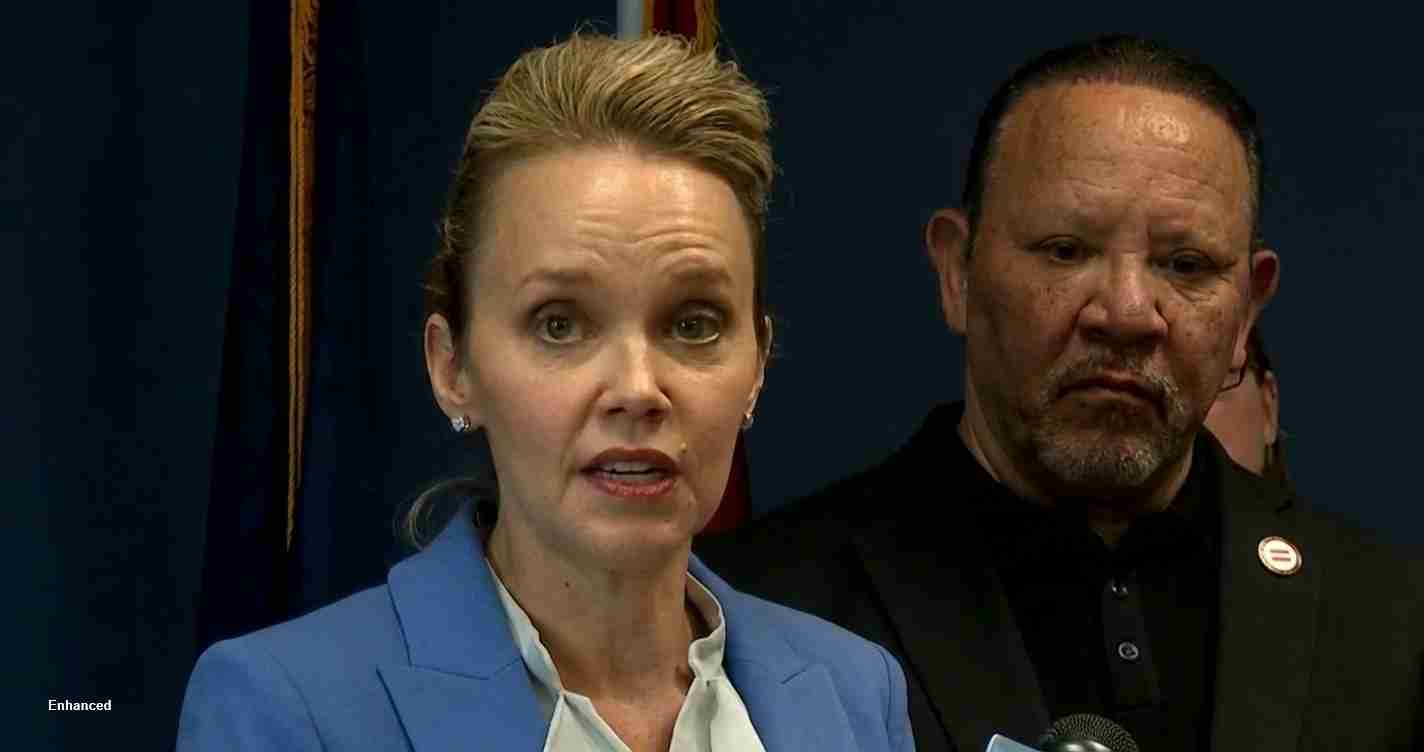
New Orleans immigration crackdown, “Operation Katahula Crunch,” draws fire as Mayor Helena Moreno demands transparency
Federal officials launched a large-scale immigration enforcement effort in New Orleans around Dec. 3, 2025, mobilizing roughly 200–250 agents. The campaign — **“Operation Katahula Crunch”** — has sparked criticism over possible wrongful detentions and a lack of public transparency.
- Operation name & date: Reported as Operation Katahula Crunch, beginning around Dec. 3, 2025 (WABE; local TV reporting).
- Scale & targets: About 200–250 federal agents deployed, focusing officially on convicted or serious offenders, with internal goals reportedly as high as 5,000 arrests (reporting and expert analysis).
- Concerns: Multiple accounts allege lawful residents and U.S. citizens were stopped or briefly detained, possible inhumane conditions, and limited federal disclosure — prompting demands for answers from Mayor‑elect Helena Moreno and civil-rights groups.
What the federal operation is
Federal and White House officials describe the New Orleans surge as a concentrated effort to find and remove people with serious criminal records and to deter migration in cities described as “sanctuary” jurisdictions. Local reporting and national digests say the campaign began in early December and involves a temporary surge of Border Patrol and other Department of Homeland Security components.
Internal planning documents and coverage discussed an ambitious internal target of up to 5,000 arrests — a figure immigration experts have called unrealistic for the region, given local demographics and logistical limits. Reporting and analysis can be found in writeups from WABE and briefings compiled by the American Immigration Lawyers Association.
How and where arrests are happening
Video and eyewitness accounts document teams of federal agents operating across neighborhoods and job sites. Reporters and local TV footage show agents:
- Arresting day laborers in store parking lots while they wait for work (local TV footage).
- Detaining workers at active job sites, including at least one reported instance of a worker taken from a roof while working.
- Conducting mobile sweeps in neighborhoods and along major roads.
Witnesses told TV crews that one parking-lot sweep detained a dozen or more people and left behind trucks, tools and bikes. DHS has released partial statements citing a small number of people with criminal records but has declined to provide a full tally of detentions. See local footage and reporting compiled by local TV reporting and footage and analysis from WABE.
Reports of U.S. citizens and lawful residents being stopped and detained
Community groups and immigration lawyers report that people with work permits and some U.S. citizens have been stopped, questioned and in cases briefly detained before status verification. Advocates say people presenting Louisiana driver’s licenses, green cards or work authorization have faced prolonged questioning and temporary custody.
These accounts mirror patterns from past large operations, where collateral or wrongful detentions occurred. Concerns and legal summaries have been catalogued by groups including the AILA roundup and local reporting.
Allegations of inhumane treatment and civil‑rights concerns
Witnesses and local advocates say detainees were kept outdoors for long periods, handcuffed in parking lots or vans, with limited access to water or restrooms. Some workers reported being denied time to retrieve medication, personal items or tools.
Civil-rights groups are collecting affidavits and evaluating legal action, citing potential Fourth Amendment violations and due‑process concerns.
Footage and affidavits referenced in local television coverage and reporting have prompted calls for independent review and transparency from DHS and Border Patrol.
Mayor‑elect Helena Moreno’s response
Mayor‑elect Helena Moreno has publicly demanded prompt transparency and a full accounting from DHS and Border Patrol. Moreno said the operation is “already causing harm” to families and small businesses and condemned reports that U.S. citizens and authorized workers were detained and treated poorly.
She has asked federal officials to disclose total arrest figures, the demographics and immigration status breakdown of those detained, and the criteria used to identify targets — rather than releasing only select names of people with criminal records. Moreno also said local law enforcement was not consulted and warned the sweeps are eroding trust in immigrant and mixed‑status communities.
Broader local and regional political reaction
City leaders and some state legislators have joined Moreno in criticizing the operation as potentially overbroad and politically motivated, arguing it risks sweeping up communities where most residents are U.S. citizens. By contrast, Louisiana’s governor has backed the federal action and announced National Guard deployments statewide before Christmas to assist with public‑safety efforts.
Faith leaders and community organizations in New Orleans — and in other cities that experienced similar operations — have organized vigils and legal hotlines to support those affected.
National context and parallel operations
New Orleans is part of a larger federal push that has sent Border Patrol and DHS agents to cities far from the border. Similar surges have been reported in Minneapolis, Los Angeles, Chicago, Memphis and Charlotte. Experts say the approach seeks to pressure so‑called sanctuary cities and produce high‑visibility arrests — raising questions about the expanded use of Border Patrol away from the border.
Policy coverage and digests on the wider effort are summarized in briefings such as the AILA daily roundup.
Key unknowns and open questions
Reporters and local officials say several basic facts remain undisclosed: the total number detained in New Orleans so far; a breakdown by criminal history or immigration status; whether DHS will retain an internal 5,000-arrest target if early numbers are low; and how federal officials will respond to allegations of wrongful detention or mistreatment. Mayor‑elect Moreno has demanded answers, but DHS has not yet provided a full, public accounting.
Implications for Fresno, California
Economic impact: Fresno’s economy depends on farmworkers, construction labor and service jobs similar to those targeted in New Orleans. Large federal sweeps and reports of job‑site detentions could chill labor markets, drive up labor costs and disrupt harvests and local projects.
Political consequences: Fresno city and county leaders may face pressure to clarify whether local agencies will cooperate with federal enforcement. Officials must balance public safety with preserving trust in immigrant communities — a dynamic that could shape local elections and intergovernmental relations.
Social effects: Fear of enforcement can reduce use of health care, school participation and public benefits. In Fresno, that could hamper vaccination outreach, school attendance among children in mixed‑status families, and emergency reporting from affected neighborhoods.
Cultural relevance & practical steps: Fresno’s deep ties to Latino and immigrant communities mean faith groups, nonprofits and unions may organize legal hotlines, vigils and outreach. Employers should review ID and worker‑safety policies; clinics, schools and nonprofits should prepare legal referral and language services. Residents with ties to Gulf Coast cities may face travel or communication disruptions if relatives are detained.


