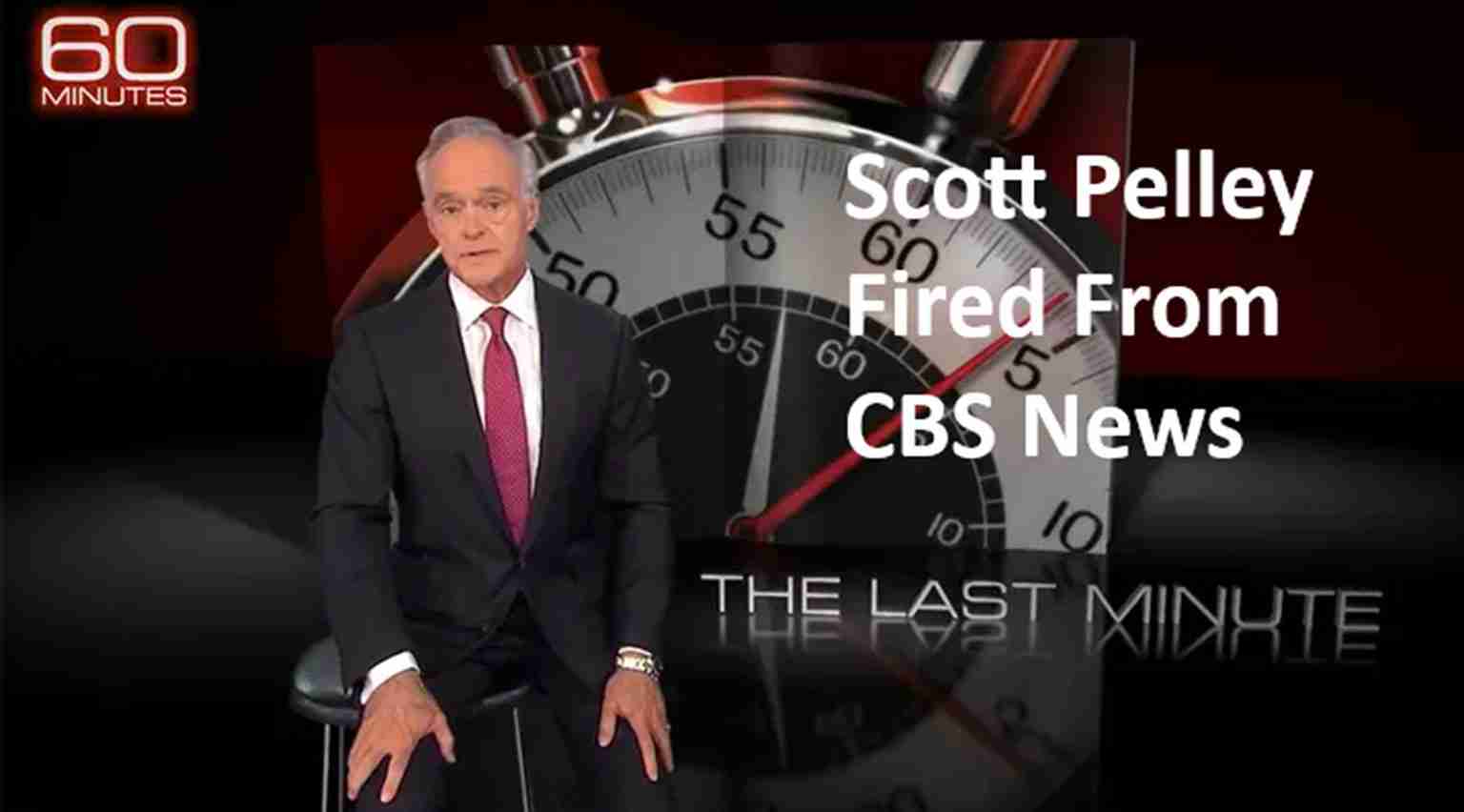
Scott Pelley fired from 60 Minutes after public clash with leadership; combat‑claim narrative remains unverified
Scott Pelley, a veteran 60 Minutes correspondent, was abruptly fired from CBS News in early June 2026 after a public clash with leadership over alleged editorial pressure; claims he made combat service assertions remain unverified by major reporting.
- Veteran correspondent removed: Scott Pelley, who joined CBS in 1989, was removed from 60 Minutes after publicly criticizing management and recent newsroom firings.
- Accusation of editorial pressure: Pelley said he was asked to insert “falsehoods and bias” into a politically sensitive story; CBS denied political interference.
- Leadership shakeup: The dispute coincided with the removal of executive producer Tanya Simon, departures of Sharyn Alfonsi and Cecilia Vega, and the appointment of Nick Bilton as executive producer.
- Combat‑claim narrative unverified: Reports that Pelley claimed to have “been in combat” in Afghanistan, Iraq and Ukraine are not documented in major reporting and remain unverified.
Background: a long career and a sudden break
Scott Pelley has been a visible presence at CBS News since the late 1980s, serving as anchor of the CBS Evening News and as a longtime 60 Minutes correspondent. Over decades he reported from international hotspots and domestic scenes, earning recognition for long‑form journalism.
The network shakeup in late May and early June 2026 — including the removal of Tanya Simon and the departures of correspondents Sharyn Alfonsi and Cecilia Vega — set off an internal conflict over the program’s direction. According to reporting in the Los Angeles Times, Pelley publicly criticized those moves and said management asked him to include unverified assertions and politically biased material — a dispute that culminated in his abrupt removal from the program.
What Pelley said — and what is documented
Pelley issued a lengthy statement after his firing that sharply criticized management and said he had been pressured to insert “falsehoods and bias into a politically sensitive story,” as reported by the Los Angeles Times. He described operational problems at the show and framed his objections as a defense of journalistic standards.
CBS News responded with a statement denying political interference. In comments quoted by the Los Angeles Times, a CBS spokesperson said there is “no political interference at CBS News, not from ownership, not from Bari Weiss,” describing the dispute as part of normal editorial back‑and‑forth.
Leadership change: Bari Weiss and Nick Bilton
Bari Weiss, who assumed top editorial responsibilities at CBS News, became a focal point in Pelley’s critique. Weiss and other executives made swift personnel changes at 60 Minutes, including appointing journalist Nick Bilton as executive producer on the same day Tanya Simon was removed. News accounts describe Pelley’s disputes as centered on those firings and on his claims of requests to skew reporting — the core of the allegation about editorial bias reported by the Los Angeles Times.
Unverified claims and social media reaction
Within hours of Pelley’s statement, social media commentary proliferated. Some posts accused Pelley of overstating his experiences and asserted he had claimed to have been “in combat” in Afghanistan, Iraq and Ukraine. Those specific combat‑claim quotes and a resulting “stolen valor” backlash do not appear in major news accounts and are not corroborated by reporting in the Los Angeles Times or other mainstream outlets reviewed by Times Media Service.
It is accurate that Pelley has reported from war zones and that such assignments carry real risk. But the distinction between reporting from conflict zones and claiming military combat service is central; available credible coverage does not document that Pelley publicly equated his reporting with having served in combat. The narrative of a broad stolen‑valor backlash should therefore be treated as unverified social‑media commentary unless independently confirmed.
Internal meetings and reporting on dynamics
Media outlets tracking the fallout reported tense internal meetings and rapid escalations inside CBS News. Accounts, including reporting by media observers, described meetings between Pelley and network leaders in which differences could not be reconciled and in which Weiss reportedly sought an apology. Primary public documentation remains Pelley’s statement and the network’s official denial of political interference; detailed chronology and context are outlined in the Los Angeles Times coverage.
Why the dispute matters: journalism, trust and editorial control
Pelley’s accusation that he was asked to insert unverified assertions touches on broader questions about newsroom independence and standards. For journalists, allegations of editorial pressure are corrosive to public trust; for networks, editorial negotiation is a routine — if sometimes contentious — part of producing stories.
The tensions affect newsroom morale, audience trust, and the business model of legacy news brands. For viewers who rely on investigative reporting, the stakes are whether decisions are driven by journalistic judgment or by political and corporate considerations.
Implications for Fresno, California
Economic impact
Fresno viewers depend on national investigative reporting for issues that filter down to local policy, including federal agriculture subsidies, disaster response and veterans’ affairs. If national outlets like 60 Minutes are perceived as less independent, local nonprofit newsrooms and TV stations may see shifts in viewership and donations as audiences seek trustworthy sources.
Political consequences
Fresno sits in a politically mixed region of California’s Central Valley. Local and state politicians may use national media controversies to energize constituents — either criticizing perceived bias or defending press independence — potentially influencing how voters evaluate national narratives during election cycles.
Social effects and cultural relevance
Fresno has a large military‑connected population. Claims that equate reporting in war zones with military service can be particularly sensitive in communities that include service members and their families. Local veterans groups may respond if they see reporting language as minimizing military sacrifice.
Residents value practical, straightforward reporting on daily issues such as water policy and farm labor. A national debate on journalistic integrity may prompt community conversations about trust and media accountability.
Practical applications for local newsrooms
Local outlets can reaffirm standards by clearly labeling sources, documenting reporting methods, and distinguishing reporting from commentary. Community forums on media literacy and veterans’ perspectives may help clarify distinctions between reporting from conflict zones and military service claims.
Reporting sources
- Los Angeles Times, “Scott Pelley fired from 60 Minutes after blasting CBS News bosses,” June 2026.
Note: Several details circulating on social media — notably that Pelley claimed to have “been in combat” in Afghanistan, Iraq and Ukraine and that a wide‑ranging stolen‑valor backlash followed — are not substantiated in major reporting reviewed by Times Media Service and should be treated as unverified until confirmed by primary sources or additional reputable coverage.