
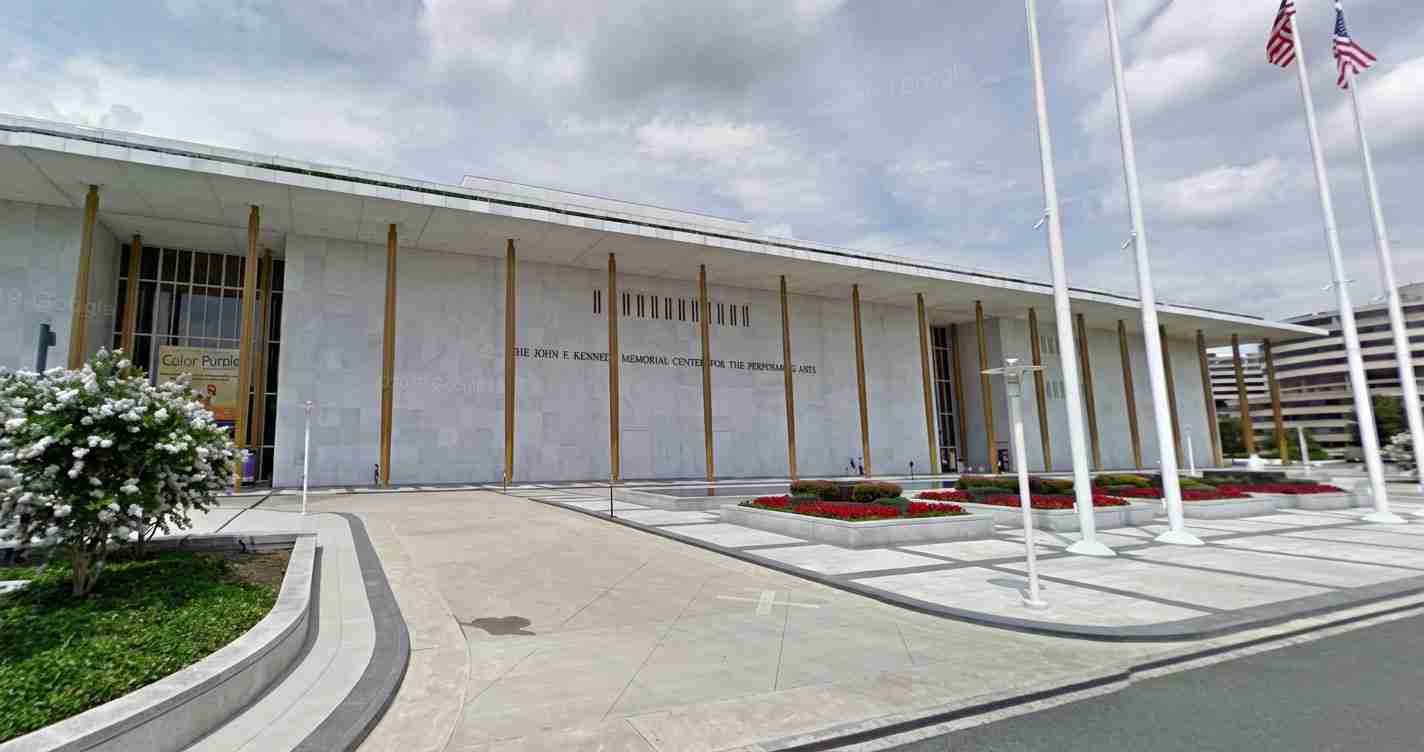
Trump Orders July 4 Closure of Kennedy Center for Two-Year “Trump-Kennedy Center” Rebuild
President Trump announced the Kennedy Center will close on July 4, 2026, for about two years for a full reconstruction branded the “Trump-Kennedy Center,” prompting artist protests, operational uncertainty for resident groups and unanswered funding and planning questions.
- Closure and timing: The center is to shut on July 4, 2026, for approximately two years for what the president calls a full reconstruction.
- Opaque planning and funding: Officials say financing is in place but have not released budgets, plans, contractor names or schedules.
- Artist backlash and operational impact: The rebranding and leadership changes have prompted resignations, canceled premieres and uncertainty for resident companies.
- Local ripple effects: Regions like Fresno may see tour reroutes, new venue opportunities and potential shifts in educational partnerships.
Announcement and claims
How the decision was announced: In a post on his Truth Social account, President Trump described a sweeping makeover to create “a World Class Bastion of Arts, Music, and Entertainment, far better than it has ever been before.” Officials said a full temporary shutdown would allow faster, higher-quality work after a yearlong review with contractors, arts experts and advisers.
Administration statements: Interim Kennedy Center Director Richard Grenell backed the shutdown as a necessary renovation and called it “a brief closure in retrospect,” but the administration has not released technical plans, contractor names, or a formal schedule.
Reporting on the announcement is available from CBS News and Politico.
Context and controversy
Board changes and renaming: Over the past year the board underwent substantial changes, allies voted to make the president chair, and in December the board voted to add the president’s name to the building exterior rebranding it the Trump-Kennedy Center. That renaming prompted public outcry and legal questions about whether Congress must approve such a change.
Artist reactions: Several resident and guest artists have protested: the Washington National Opera left, composer Philip Glass pulled a planned world premiere, and multiple performers canceled engagements. Reports also indicated the center had no Black History Month events scheduled for 2026 — a detail that added to the controversy. For coverage see CBS News, Politico, and Washington Classical Review.
Operational impact on resident groups
The Kennedy Center hosts hundreds of performances yearly and anchors ensembles such as the National Symphony Orchestra. The sudden shutdown raises immediate questions about next season scheduling: whether performances will be postponed, canceled, or moved, and how subscriptions and refunds will be handled.
Staff communications: Staff reported learning about the planned shutdown via the president’s social post, raising concerns about internal planning and communications while the board composition remains under the administration’s control.
Sources: CBS News, Washington Classical Review.
Legal challenges and political pushback
Legal and advocacy groups have signaled opposition and said they will explore remedies, questioning whether the shutdown is truly about repairs or an effort to manage fallout from artist departures and protests. Groups named in reporting include Democracy Defenders Action and the Washington Litigation Group, which have raised concerns about the legality of the renaming and board conduct.
Political figures also weighed in: Jack Schlossberg, grandson of President John F. Kennedy and a Democratic congressional candidate, criticized the move publicly, framing it as part of a larger political conflict over the center’s future.
What remains unclear
- Funding sources: The president said “Financing is completed, and fully in place!” but did not disclose whether funds are federal, private, or a mix, nor provided a cost estimate.
- Plans and scope: Administration has not released blueprints, technical plans, contractor names, or a public schedule about what “Complete Rebuilding” will entail.
- Congressional role: It is uncertain whether Congress will have a role in approving funds or the renaming.
- Education and outreach: Questions remain about the fate of internships, youth programs and community outreach that rely on the center’s spaces.
Reporting links: CBS News.
Implications for Fresno, California
Economic ripple effects: Changes in national touring patterns could shift routing, opening opportunities for venues such as the William Saroyan Theatre and the Tower Theatre to book touring artists displaced by the Kennedy Center closing — but a reduction in national touring volume could also shrink downstream opportunities for regional promoters and vendors.
Arts programming and partnerships: Fresno organizations that participate in national educational exchanges may need contingency plans if Kennedy Center partnerships pause. Local groups should evaluate alternatives to preserve student and community access to touring artists.
Workforce and contracting: While a major D.C. project could draw expertise away from other regions, it might also create subcontracting opportunities; Fresno construction and arts-technology firms should monitor contracting announcements.
Context and reporting: CBS News.
Practical next steps for Fresno arts organizations
- Track public announcements from the Kennedy Center and the National Symphony Orchestra for scheduling updates.
- Open dialogue with touring producers about potential reroutes or added West Coast dates.
- Coordinate with local venues and universities to identify rehearsal and performance space for displaced artists.
- Monitor federal and state funding signals in case national priorities shift amid the controversy.
Sources and reporting notes
Key reporting and documents used for this story include coverage by CBS News, Politico, Washington Classical Review, and a related timeline video available via YouTube timeline reporting. Further public records and board minutes may provide more detail as the process moves forward.
Reporting notes: All original facts, quotations and referenced URLs are preserved from the source materials cited above.



