
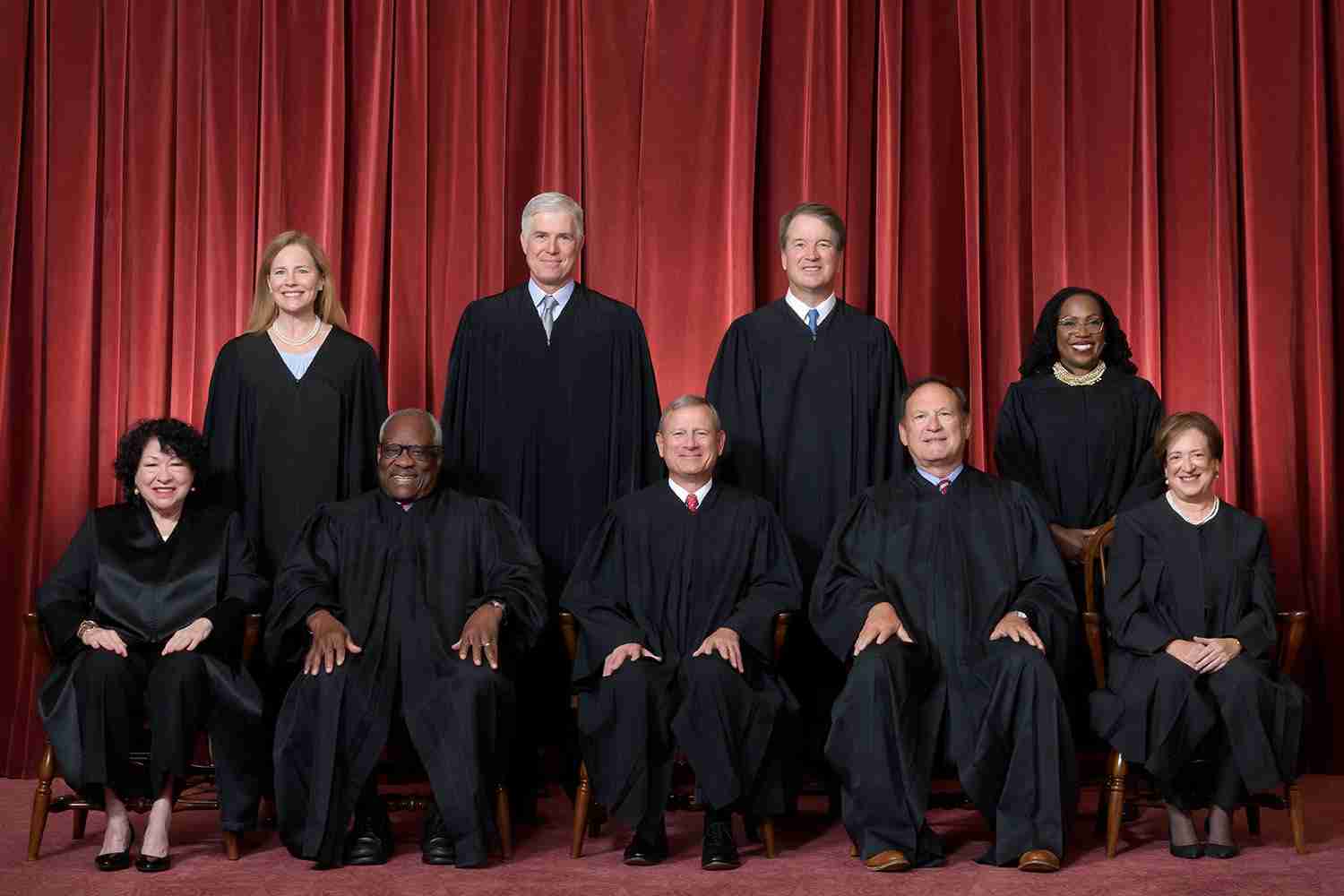
Supreme Court blocks Guard deployment Illinois, curbs Trump National Guard Illinois plan
The Supreme Court refused the Trump administration’s emergency request to federalize and deploy roughly 500 National Guard troops to Illinois, upholding lower courts and underscoring legal limits on using federalized forces for domestic law enforcement when a state objects.
Key takeaways
- Emergency relief denied: The Court left in place the temporary restraining order blocking deployment.
- Deployment blocked: The planned federalization and deployment of roughly 500 National Guard troops to the Chicago area was prevented.
- Statutory issue: The administration relied on 10 U.S.C. § 12406(3), which the courts found insufficient on this record.
- Vote and response: The emergency application was denied in a reported 6–3 vote, with Justices Alito, Thomas and Gorsuch dissenting and civil-rights groups praising the ruling.
Main coverage
What the Supreme Court did and why
The high court refused the Trump administration’s request for emergency relief to overturn the Illinois judge’s order and the Seventh Circuit’s refusal to stay that order, keeping a temporary restraining order in place while the underlying lawsuit proceeds. The Court said the government had “failed to identify a source of authority” that would allow this specific deployment, stressing that sending federalized forces into a state to “execute the laws” requires clear legal authorization. See the Supreme Court order and the ACLU of Illinois response.
The vote and separate writings
News reports and advocacy groups described the vote as 6–3, with Justices Samuel Alito, Clarence Thomas and Neil Gorsuch dissenting from the denial of relief. One or more justices in the majority filed separate explanations noting the administration did not show the situation met the statutory standard for federalizing Guard troops under 10 U.S.C. § 12406(3) or any other law sufficient to overcome a state’s objections.
Background: What the administration tried to do
On Oct. 4, 2025, President Trump federalized about 300 members of the Illinois National Guard and called them into active federal service to “protect federal personnel and property in Illinois, particularly in and around Chicago,” according to court filings in Trump v. Illinois, No. 25A443. The next day the administration federalized additional Guard members from Texas and sent them to the Chicago area, bringing the total federalized force to roughly 500.
Officials said the move was meant to protect Immigration and Customs Enforcement (ICE) officers and operations in Chicago. Critics — including Illinois leaders and civil-rights groups — called the deployment a pretext that would let the federal government project military force into Democratic-led jurisdictions; see reporting from the Texas Tribune and statements from the ACLU.
Lower-court findings that blocked the deployment
U.S. District Judge April Perry took up Illinois’ challenge after the federalization and issued a temporary restraining order (TRO) barring deployment. Judge Perry concluded the administration’s reliance on 10 U.S.C. § 12406 was inadequate because the record did not show that the regular forces were “unable” to execute the laws in a way that would permit military involvement for domestic law-enforcement purposes. The Seventh Circuit later refused to stay Judge Perry’s order, leaving the TRO intact and prompting the administration’s emergency application to the Supreme Court (court order).
What the Court’s order means for legal limits on military use at home
By denying emergency relief, the Supreme Court signaled that the federal government must point to clear statutory authorization before federalizing Guard troops and using them in a law-enforcement role when a state objects. The order emphasized that bringing military forces into domestic law enforcement is an extraordinary step and cannot rest on thin or generalized claims of need. Civil-liberties groups hailed the decision as a check on expansive executive action (see the ACLU of Illinois response).
Reactions
“Donald Trump did not have the authority to deploy the federalized guard in Illinois,” Gov. J.B. Pritzker said, calling the decision an important check on executive power. (full statement)
Advocacy groups including the ACLU characterized the administration’s rationale as manufactured and said the order prevents a dangerous expansion of federal authority over state-controlled Guard forces (ACLU statement).
A rare setback on the shadow docket
Legal observers noted this was a rare loss for the administration on an emergency appeal, sometimes called the “shadow docket.” The Court took over two months to act on the October application and ultimately left the lower-court blocks in place, a departure from earlier instances where rapid emergency relief had been granted (reporting).
Context: federalizing blue jurisdictions
The planned deployment targeted Chicago — a Democratic stronghold — and involved bringing Guard units from Texas, a Republican-led state, into Illinois. Critics argued the strategy fit a pattern of attempts to pressure Democratic governors and mayors by sending federal forces into their cities under the guise of law enforcement or immigration enforcement (see the Texas Tribune and the ACLU).
Implications for Fresno, California
Economic impact: The ruling does not immediately change everyday life or budgets in Fresno, but it sets a legal limit that could prevent the federal government from ordering Guard units from California into other states without clear authority, helping protect local Guard budgets and readiness for wildfires and floods.
Political consequences: The decision reinforces state leadership over the National Guard unless Congress or clear law says otherwise, giving California governors and local officials a legal reference when opposing out-of-state federalization for law-enforcement missions.
Social effects & cultural relevance: Communities concerned about military-style policing may view the ruling as a safeguard. In Fresno, where trust in local institutions is an ongoing concern, the order underscores local control and accountability over federal intervention.
Practical applications: For California’s Guard — including units near Fresno — the ruling makes it less likely they will be federalized and sent to other states for policing purposes absent clear statutory grounds, keeping personnel available for state emergencies.
Sources and further reading
- Supreme Court order, Trump v. Illinois, No. 25A443
- Texas Tribune reporting on the decision and timeline
- ACLU of Illinois response
- ACLU national statement
- Statement from Illinois Gov. J.B. Pritzker
If you would like, I can next unpack the legal differences between the Insurrection Act, 10 U.S.C. § 12406, and Posse Comitatus, and explain how they factor into future limits on federalized troops.



