
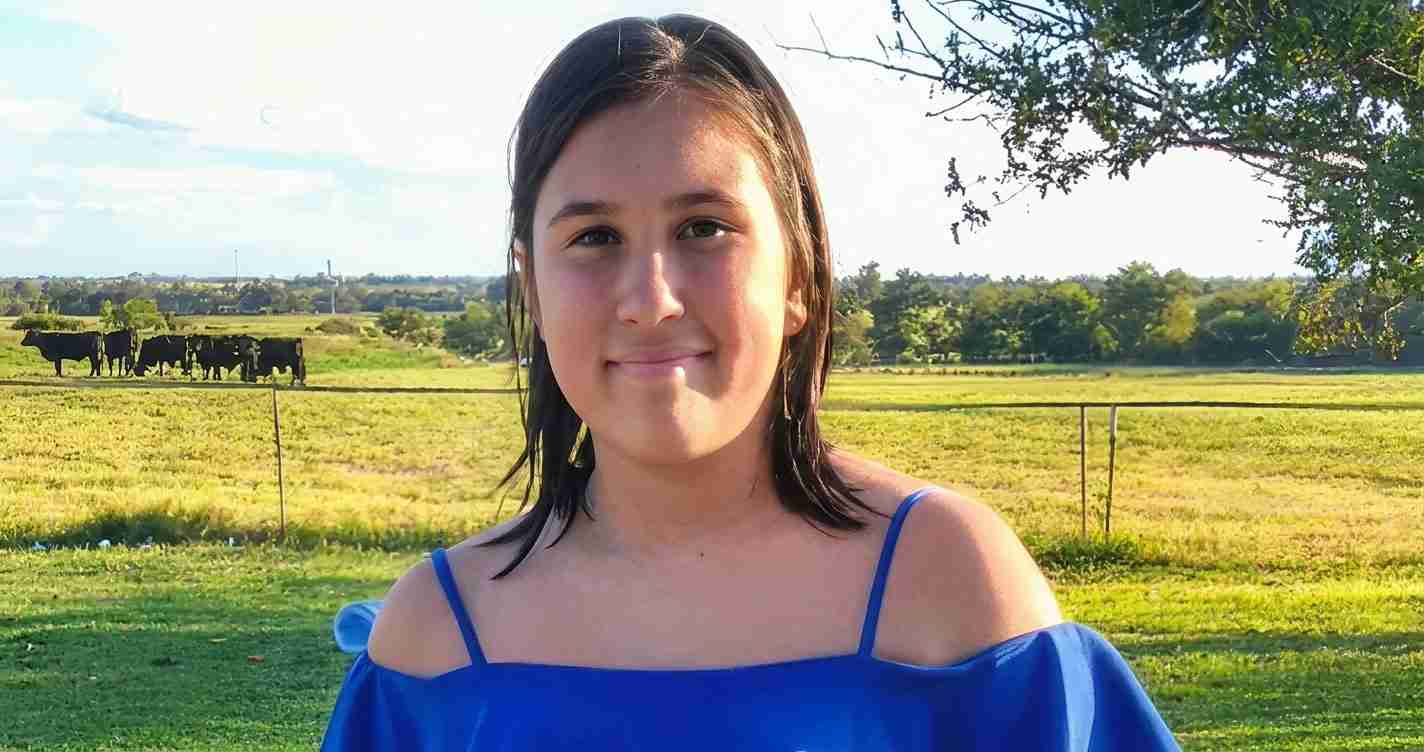
Stephenville girl’s death in ‘blackout challenge’ spotlights social media dangers; parents demand accountability
A 9‑year‑old Stephenville girl, JackLynn Kaye Blackwell, died Feb. 3, 2026 after attempting the viral “blackout challenge.” Her parents urge families and platforms to act and warn about hidden dangers on social media, and demand accountability now.
- Tragic outcome: 9‑year‑old JackLynn Kaye Blackwell died from accidental strangulation while attempting the “blackout challenge.” Sources: CBS News, NDTV.
- Public health concern: The CDC has linked roughly 80 child deaths to similar oxygen‑deprivation practices; experts warn even brief deprivation can cause death or brain injury. Source: CBS News.
- Family demand: Parents Curtis and Wendi Blackwell call for stronger platform accountability and urge parents to monitor devices and talk to children about risks.
- Local implications: Fresno schools, pediatricians and community groups are urged to increase online‑safety education and practical protections for children.
What happened
On the morning of Feb. 3, 2026, Curtis Blackwell found his daughter JackLynn Kaye Blackwell, 9, in the family’s backyard with a cord wrapped around her neck. He removed the cord and performed CPR until first responders arrived, but JackLynn could not be revived. “It was the most terrifying, shocking thing I’ve ever seen,” Curtis said to reporters.
Family members say JackLynn had shown her grandmother a video of the challenge the day before; the clip used a cord and the family warned her not to attempt it. Despite warnings, she tried the stunt alone. The family described her as lively, fond of karaoke, crafts and puzzles, and a child who used YouTube and dreamed of being a star.
About the “blackout challenge”
The “blackout challenge” encourages intentional oxygen restriction — by choking, strangulation, or other means — to induce fainting or a brief high. Such behavior is extremely dangerous: medical experts emphasize that even short oxygen loss can cause irreversible brain injury or death. Public health records and reporting link dozens of youth deaths to similar choking or self‑strangulation activities; the CDC has documented about 80 child deaths tied to related practices (see reporting by CBS News).
Platforms’ actions, limits and concerns
Some social media companies have implemented search blocks or warning labels for queries tied to the blackout challenge. However, the Blackwell family contends those steps are insufficient and often too late for children already exposed. Curtis Blackwell warned:
“It’s not a joke, it’s not a game, it’s life and death. A lot of kids her age, their brains aren’t fully developed, and they are very easily influenced.”
Investigative questions remain about algorithmic recommendations: the family says a feed can appear child‑friendly and then quickly pivot to dangerous content because of how recommendation systems surface videos. They are calling for greater transparency, improved filtering, and legal accountability from platforms that host and amplify harmful content.
Past incidents and a wider pattern
This incident is part of a documented pattern of dangerous viral challenges affecting children and teens. Reporting has previously linked similar stunts to deaths, including a 2021 case involving 12‑year‑old Joshua Haileyesus in Colorado. Longstanding concerns center on how quickly risky trends propagate among young users and how peer pressure and normalization on social platforms increase replication.
Family response and call to parents
Curtis and Wendi Blackwell urge parents to actively monitor children’s online activity, use parental controls, and maintain open conversations about the risks of viral challenges. They stress that many children ages 9–14 lack the brain development and judgment to recognize danger or resist online pressure, and they ask communities and companies to do more to protect minors.
Practical parental advice:
- Check viewing history and device activity regularly.
- Use built‑in parental controls and safe‑search settings on apps and devices.
- Keep devices out of children’s bedrooms at night and set clear screen‑time rules.
- Talk openly about peer pressure, online trends, and the real risks involved.
What experts say
Medical and child‑safety specialists warn that planned or semi‑voluntary oxygen deprivation carries grave risk. Behavioral experts note that social media can normalize risky acts and create intense peer pressure to replicate viral stunts. Public health bodies advise parents to keep lines of communication open and to monitor devices and apps used by children.
Legal and policy issues under scrutiny
The Blackwells’ call for accountability raises legal questions about platform liability and the sufficiency of current moderation practices. While many companies maintain policies against self‑harm and dangerous acts, enforcement is often inconsistent. Lawmakers, investigators and child‑safety advocates continue to debate whether stronger regulation, transparency or enforcement is needed to protect minors.
Implications for Fresno, California
This Stephenville case reflects a national trend that can reach Fresno children through common apps. Local stakeholders — including schools, pediatricians, community centers and policymakers — may consider coordinated steps:
- Education: Fresno Unified and after‑school programs could add short lessons for students and parents about online safety and risky trends.
- Training: Teachers and counselors can be trained to spot warning signs and guide conversations about peer pressure and online influence.
- Policy advocacy: Local officials may be asked to press state or federal lawmakers, or to call on tech companies to improve safeguards for youth.
- Community support: Churches, neighborhood centers and parent groups can offer device‑monitoring tips and supervised activities that reduce unsupervised browsing.
- Practical steps: Check devices often, enable parental controls, keep devices out of bedrooms at night, and keep open, age‑appropriate conversations about risky content.
Resources and further reading
Reporting and resources cited in this piece:
Reporting sources
This article draws on reporting by CBS News, NDTV, The Nightly and Tyla.
Local Fresno guidance
For families in Fresno seeking guidance, local school districts, pediatric clinics and the Fresno County Department of Public Health can provide information on online safety, mental health resources and steps to reduce children’s exposure to harmful content. Parents concerned about a child’s exposure or behavior should contact their pediatrician or school counselor promptly.


