
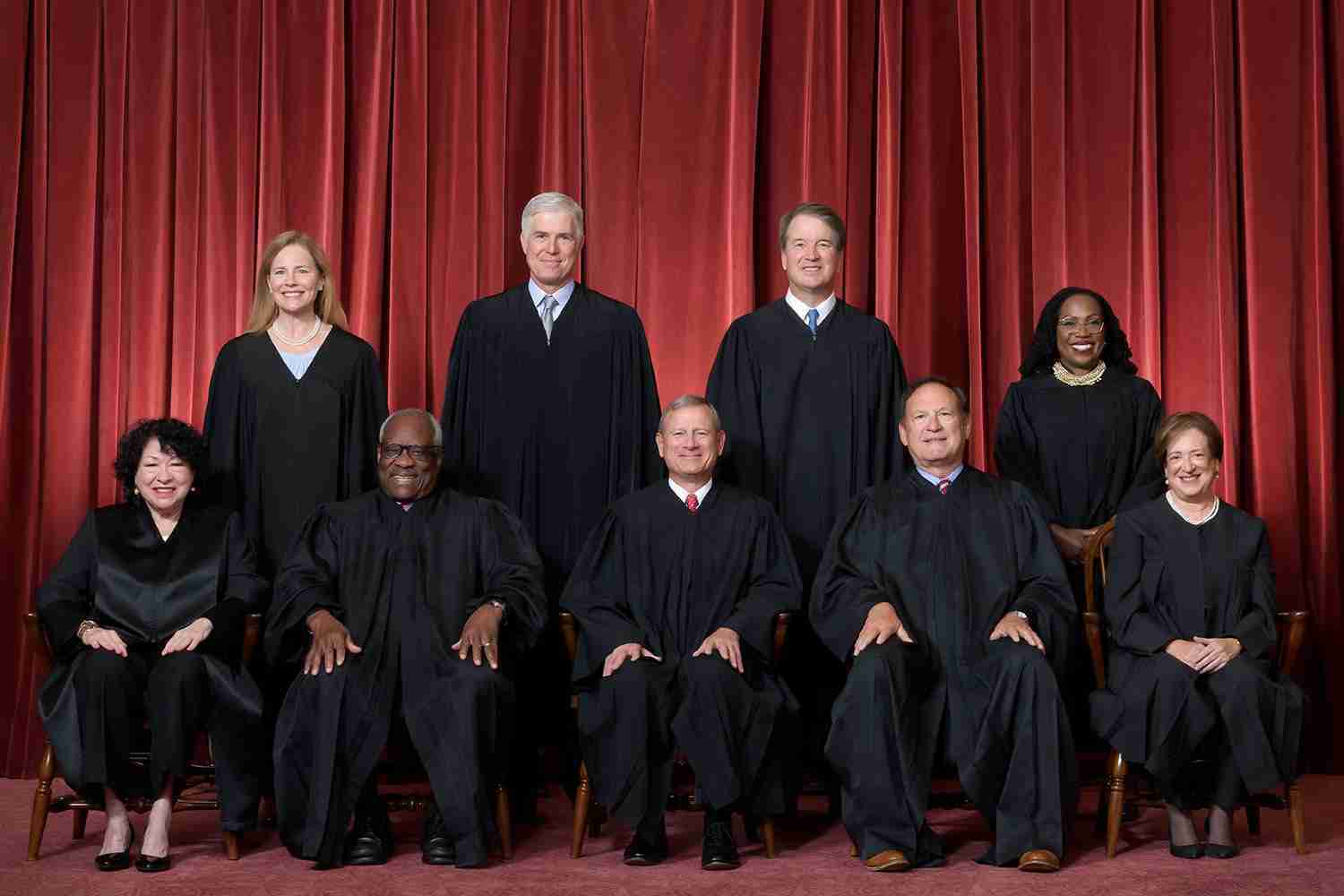
Supreme Court Temporarily Blocks Lower Court Order on SNAP Funding After Trump Administration Appeal
The Supreme Court has issued a temporary stay blocking a lower court’s order that would have required the Trump administration to fully fund SNAP, after the administration filed an emergency appeal to the high court.
Key takeaways
- Emergency stay: The Supreme Court temporarily paused a lower court order that would have required full SNAP funding.
- Administration appeal: The Trump administration filed an emergency appeal after an appeals court denied its request to halt the lower-court ruling.
- Temporary and limited: The stay does not resolve the merits of the underlying legal questions about SNAP funding or administrative authority.
- Impacts: The dispute could affect SNAP recipients nationwide and has specific implications for communities such as Fresno, California.
- (Source: video coverage)
What happened: a short timeline
Lower court ruling: A federal trial court issued a directive ordering the Trump administration to fully fund SNAP. The available reporting did not provide detailed reasoning or identify the plaintiffs in that case. (Source: video coverage)
Appeals court action: The administration sought to pause the lower court ruling, but an appeals court denied that request, leaving the lower court order in place. (Source: video coverage)
Emergency appeal to the Supreme Court: After the appeals court refused to block the lower court, the administration asked the Supreme Court for emergency relief. The high court granted a temporary stay while it considers further action. (Source: video coverage)
Background: SNAP and why funding disputes matter
The Supplemental Nutrition Assistance Program (SNAP) is the largest federal food aid program, providing monthly benefits to low-income individuals and families so they can buy groceries. Because SNAP helps millions, changes in funding or administration rules can affect food access nationwide.
The central legal question is whether the administration must maintain a prior funding level or may change funding as part of its policy choices. The available reporting did not include the full legal claims, identities of plaintiffs, or the lower court’s written findings. For full legal context, reporters should consult the court filings and opinions. (Source: video coverage)
What the Supreme Court order does — and what it does not do
What it does: The emergency stay temporarily prevents the lower court’s directive from taking effect, meaning the administration is not forced immediately to restore or maintain whatever specific funding level the lower court ordered.
What it does not do: The stay is a temporary procedural measure; it does not decide the legal merits of the case. It simply preserves the status quo while the high court or lower courts proceed. Legal experts typically view such emergency stays as pauses to avoid sudden policy or budget shifts. (Source: video coverage)
Legal and policy stakes
The dispute raises two broad questions:
- Administrative authority: How much power does the executive branch have to alter funding or administration of federal programs such as SNAP without congressional action?
- Access to benefits: What happens to SNAP recipients if funding is reduced, delayed, or altered because of legal rulings or administrative decisions?
What we don’t know yet
The reporting did not include several critical details:
- The identity of the plaintiffs or their complete legal claims.
- The exact findings and legal reasoning used by the lower court to order full SNAP funding.
- The rationale the appeals court used to deny the emergency pause.
- Any written Supreme Court order or signed opinion explaining its decision to issue the stay.
Reactions and the debate around SNAP funding
The emergency order has prompted discussion among legal scholars, advocates, and policymakers about how courts should weigh requests to halt major policy changes. Supporters of the lower court may argue court enforcement is necessary to protect beneficiaries’ rights; supporters of the administration may stress executive discretion in managing program budgets.
“The stay preserves the status quo while legal questions are resolved,” legal observers said, noting the practical stakes for beneficiaries.
How this could play out
Possible outcomes include:
- The Supreme Court declines to take the case, letting the lower courts proceed and the stay expire.
- The Supreme Court agrees to hear full briefing and oral argument, delaying a final decision for months.
- The Supreme Court extends the stay while the appeals process continues, keeping the lower court order on hold longer.
Implications for Fresno, California
Economic impact
Fresno County and the Central Valley include many low- and moderate-income households that rely on SNAP. A sudden change in funding could strain family budgets, increase demand at food banks, and raise pressure on local social services.
Political consequences
Local leaders and candidates may be asked to respond publicly, press for clear information, or push state and local measures to shore up food access if federal support is uncertain. The issue could shape local debates about budgeting and the role of courts in social programs.
Social effects
Food insecurity affects health, school performance, and household stability. If SNAP access is curtailed, schools, clinics, and community groups in Fresno could see increased needs among children and families.
Cultural relevance
Fresno’s communities include many immigrant and farmworker families who depend on reliable access to food assistance. For many residents, the practical question — can I buy food this month? — outweighs abstract legal arguments.
Practical applications and what residents should watch for
- Benefit notices: SNAP recipients should watch mail and state benefit portals for official changes to benefit amounts or schedules.
- Local assistance: Food banks, school meal programs, and community centers may alter hours or expand services—check local agency websites or social media for updates.
- Legal updates: Because the stay is temporary, follow court filings and local news for developments that could affect future funding or program rules. (Source: video coverage)
Where to find more information
The reporting for this story is based on an emergency order reported in video coverage. For full legal details and official reasoning, readers should review written court filings from the lower court, the appeals court, and any Supreme Court orders or opinions. Federal and state agencies that administer SNAP benefits will post guidance if program operations change.



