
States move to ban “gas station heroin” as doctors warn of deadly risks from tianeptine
Tianeptine — an unapproved antidepressant with opioid-like effects, dubbed “gas station heroin” — is increasingly banned by states after links to deaths, addiction and severe toxicity. Federal agencies and clinicians warn the public about its illegal marketing and risks.
Key takeaways
- Over a dozen states have moved to restrict or ban tianeptine; at least 14 have classified it as a Schedule I substance, with state reports documenting action and harm.
- The U.S. Food and Drug Administration says tianeptine is not approved in the U.S. and can cause life‑threatening respiratory depression and death.
- Products are misleadingly marketed as supplements or nootropics (candy-flavored, widely sold in convenience outlets), increasing youth exposure and complicating clinical detection and treatment.
What tianeptine is and how it works
Tianeptine is prescribed in parts of Europe, Asia and South America for depression, but it is not approved for medical use in the United States. In unregulated U.S. markets it is often sold as a “dietary supplement” or “nootropic.” For clinical background see Mayo Clinic guidance and reporting from VCU Health.
Pharmacology: at low doses tianeptine can affect serotonin activity; at much higher doses it stimulates mu‑opioid receptors — the same receptors targeted by heroin and prescription opioids. That opioid activity can produce euphoria, rapid tolerance and opioid‑like withdrawal, and it can cause life‑threatening respiratory depression and cardiac arrest (FDA alert).
How it’s marketed and where it’s sold
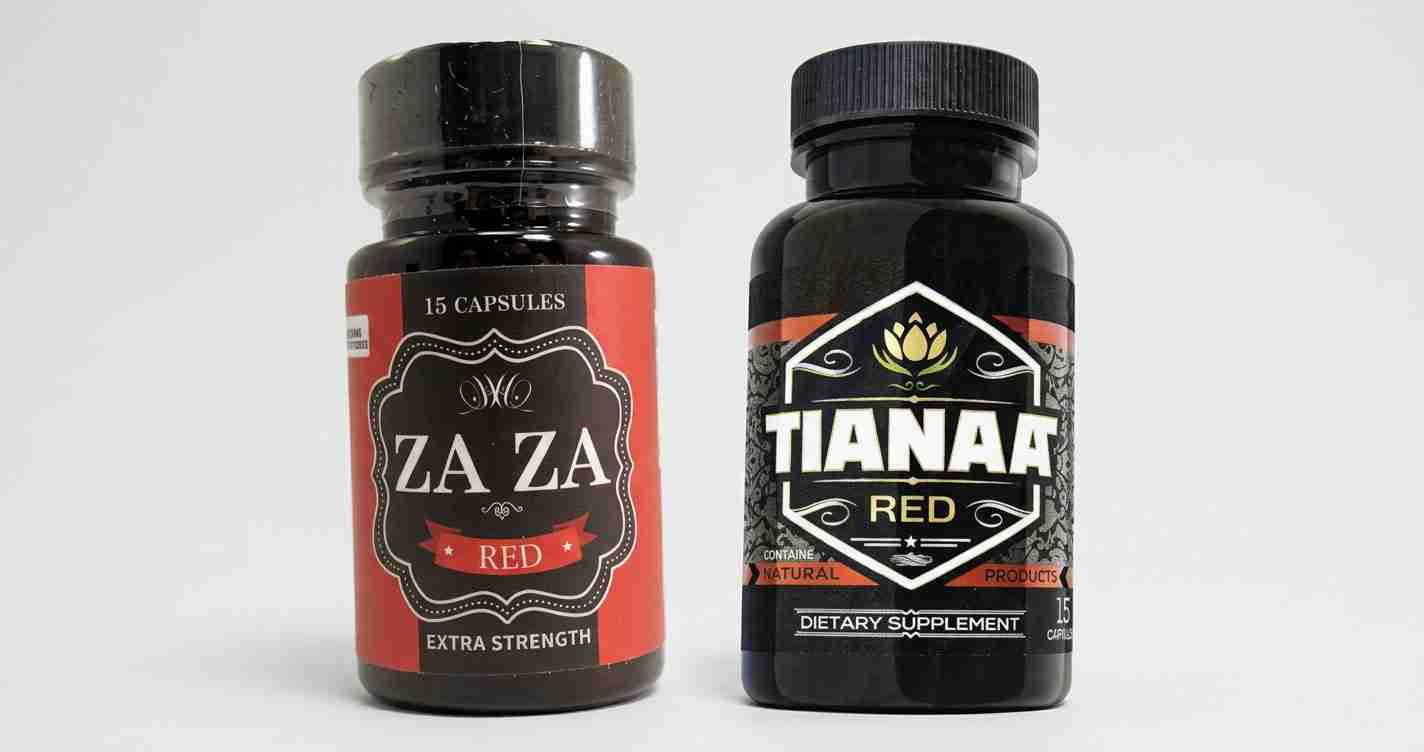
Tianeptine products appear as pills, powders, salts and liquids and use brand names such as Tianaa, Zaza, Neptune’s Fix, Pegasus and TD Red. They are commonly sold at convenience stores, gas stations, vape shops and online. Sellers often make false claims that products treat pain, anxiety, depression or opioid withdrawal and sometimes flavor them like candy, increasing appeal to younger people (FDA report; Mayo Clinic).
Health risks and reported harms
Health authorities list serious possible effects from tianeptine misuse, including:
- Respiratory depression and loss of breathing
- Severe sedation and coma
- Seizures
- Heart rhythm problems and cardiac arrest
- Nausea, vomiting, sweating, and agitation
- Death
Many recreational users take doses far higher than medical dosing elsewhere, with reported daily intakes in the hundreds to thousands of milligrams — in some cases up to 3,000 mg per day. Poison centers have recorded a sharp rise in related calls since 2016, and several clusters have required intensive care; a 2024 New Jersey cluster tied to “Neptune’s Fix” included deaths and severe cardiac issues (New Jersey health alert; VCU Health).
Detection and treatment challenges
Tianeptine is often not detected on routine drug screens, which can delay diagnosis and appropriate care. Users sometimes take tianeptine to self-manage withdrawal from other substances, further complicating clinical assessment. Clinicians, poison centers and public‑health officials call for broader awareness and expanded diagnostic testing to recognize tianeptine toxicity (FDA guidance).
State and federal responses
State approaches vary. Several states have enacted bans or scheduled tianeptine as a controlled substance; Connecticut recently enacted a sale‑and‑use ban and added tianeptine to a Schedule I list. Connecticut officials cited addiction concerns, candy-like flavors and deceptive marketing as reasons for action (VCU Health reporting).
The FDA issued a public safety alert urging retailers to stop sales, has asked companies to voluntarily recall products, and characterizes these products as potentially dangerous and not approved for any medical use in the U.S. Federal and state agencies, as well as members of Congress, have raised concerns in public statements (House Democrats press release).
Medical voices calling for national action
Emergency medicine and public health experts say state bans are important but inconsistent. Clinicians and poison-control officials urge national regulation or scheduling, arguing that without federal action products may simply shift online or across state lines. The central clinical concerns: opioid‑like properties, rapid tolerance, and high risk to people with substance‑use disorders (VCU Health; Mayo Clinic).
Groups at higher risk
People with prior substance misuse, those attempting to self-treat withdrawal, and young people enticed by candy-flavored products or convenience-store availability are at heightened risk. Health officials warn against combining tianeptine with alcohol, opioids or other sedatives, which can dramatically increase the risk of fatal outcomes.
Implications for Fresno, California
Economic: Fresno retailers (convenience stores, vape shops, small markets) may already carry or be tempted to stock unregulated supplements. If bans expand, online sellers could redirect sales to California; local stores should review inventory and supplier practices to reduce legal and reputational risk.
Political: Fresno leaders and California lawmakers may face pressure to act locally or coordinate with state agencies. Options include ordinances, retailer education programs and partnerships with state regulators to prevent neighborhood sales targeting youth.
Social and cultural: Candy‑flavored marketing conflicts with local efforts to reduce opioid harm and protect youth. Prevention messaging, school outreach and support for recovery services should be prioritized to address potential increases in emergency visits and treatment demand.
Practical applications for residents
- Do not buy or use products marketed as Tianaa, Zaza, Neptune’s Fix, Pegasus, TD Red or similar names without clear medical approval (FDA alert).
- If you suspect someone is unresponsive or has slowed breathing after taking tianeptine, call 911 immediately and tell dispatch about possible tianeptine use.
- Seek help for substance‑use concerns through local clinics and hotlines. National support is available via SAMHSA’s National Helpline (24/7, confidential).
Reporting and resources
Health professionals and the public can find further information and official alerts at these sources:
- FDA public safety alert and resources
- New Jersey health alert on tianeptine
- Mayo Clinic background on clinical risks
- Virginia Commonwealth University reporting
- NCBI research news reference
- House Democrats press release
If you or someone you know is struggling with substance use, contact SAMHSA’s National Helpline for confidential, 24/7 support in English and Spanish.



