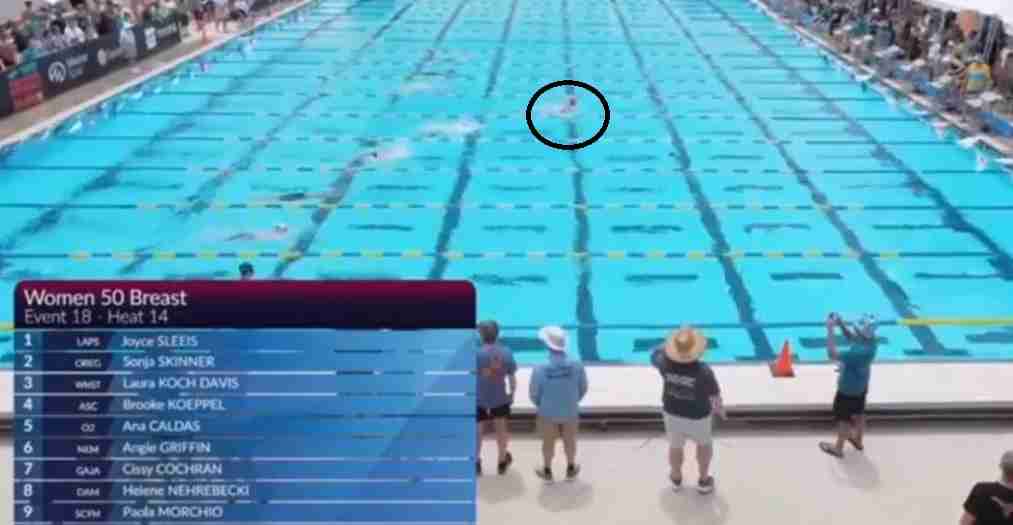
Trans swimmer Ana Caldas banned by World Aquatics until 2030 after refusing sex test; recent results stripped
World Aquatics has imposed a five-year ban on Ana Caldas (also known as Hannah Caldas) through 2030 and annulled her results from June 2022–October 2024 after she declined a chromosomal/genetic sex-verification test under the federation’s gender eligibility rules.
- Athlete: Ana Caldas (competes as Hannah Caldas).
- Sanction: Five-year ban through 2030 and annulment of results from June 2022 to October 2024.
- Reason: Refusal to submit to a chromosomal/genetic sex verification test ordered under World Aquatics’ policy.
- Trigger: Five gold medals at a U.S. Masters meet in San Antonio prompted complaints and review.
The case and how it unfolded
World Aquatics (formerly FINA) requested documentation and a chromosomal or genetic sex-verification test after complaints about Ana Caldas’ eligibility under the federation’s 2022 transgender-athlete policy, which restricts women’s-category eligibility to those who transitioned before age 12 or before Tanner Stage 2 of puberty.
Caldas drew attention after winning five gold medals at a U.S. Masters Swimming meet in San Antonio in the women’s 45–49 age group. Some competitors, including Louisiana swimmer Wendy Enderle, said they were surprised and felt “betrayed” when Caldas’ birth sex became a public concern, helping trigger a formal complaint and wider scrutiny.
Complaint, investigation and policy context
The Independent Council on Women’s Sports (ICONS) filed a complaint alleging unfairness in women’s competition. The Texas attorney general’s office also sought a probe of US Masters Swimming, prompting documentation requests and the sex verification demand. World Aquatics relied on its 2022 policy narrowing eligibility in the women’s category to early-transition cases to justify requesting proof.
Refusal and sanctions
“A five-year suspension is the price I have to pay to protect my most intimate medical information. I’m happy to pay that price—for myself and for all the women who don’t want to undergo invasive testing.” — Ana Caldas
Caldas refused the genetic test, calling it invasive and expensive, and said she would not force other women to undergo such checks. World Aquatics found breaches of its integrity code, including providing false information, and issued a five-year ban through 2030 plus annulment of results from June 2022 to October 2024, including the San Antonio medals.
Why this matters: policy, science and sport
The Caldas case sharpenly illustrates tensions between fairness, privacy and inclusion. World Aquatics’ 2022 policy aims to restrict women’s competition to those who transitioned very early; proponents argue this protects competitive fairness, while critics say the approach excludes many transgender women and may require intrusive testing. The debate involves scientific questions about puberty, hormones and long-term physiological changes and how they affect performance.
Key questions raised
- Privacy vs. verification: Should federations demand genetic/chromosomal tests when eligibility is contested?
- Standards and fairness: Do age- and puberty-based rules adequately balance fairness and rights?
- Enforcement and precedent: Will other federations follow similar procedures, and how will athletes and meet directors respond?
Implications for Fresno, California
Local swim clubs, college programs and community pools in Fresno may revisit eligibility policies, verification procedures and confidentiality safeguards. The case could prompt policy reviews, local debates among officials and school boards, and guidance for coaches and families to reduce confusion and protect athlete privacy.
Possible local effects include administrative or insurance impacts for meets, increased community dialogue, and calls for clearer procedures on handling contested entries and medical information.
Source attribution and further reading
Reporting and analysis referenced in this article include coverage and commentary from the following outlets and resources:
- Star Observer: Transgender swimmer Ana Caldas banned after refusing gender testing
- AOL: Trans swimmer banned by World Athletics (World Aquatics reporting)
- Fox News: Trans swimmer banned from World Athletics, stripped of recent results after refusing sex test
- Science: Analysis on transgender athlete rules and the science debate
- CBS News: Coverage of other high-profile transgender swimming cases
- ESPN: Legal and policy background on transgender athletes in college sports
- Athlete Ally: Resources on World Aquatics’ transgender ban and appeals
Clarifying reporters’ language
Some initial headlines misnamed the governing body as World Athletics (track and field). This matter involves World Aquatics, the international federation for swimming and other aquatic sports; several outlets noted the distinction to avoid confusion.
Reporting notes
This article preserves original facts and source URLs as reported by the outlets linked above. The narrative synthesizes reported timelines, quotes and policy context drawn from those sources.