
Trump Warns Minneapolis Mayor Jacob Frey Is “Playing With Fire” After Frey Says City Won’t Enforce Federal Immigration Laws
President Donald Trump on Jan. 28, 2026, publicly rebuked Minneapolis Mayor Jacob Frey after Frey said the city “does not, and will not, enforce Federal Immigration Laws,” calling the stance a serious legal violation and warning Frey he was “playing with fire.”
Key takeaways
- Trump criticized Frey on social media and demanded local cooperation with federal immigration enforcement, including handing over people in local custody and assisting removals — Time report.
- Frey said Minneapolis police should focus on violent crime and public safety, not federal immigration enforcement, to preserve community trust — Frey statement.
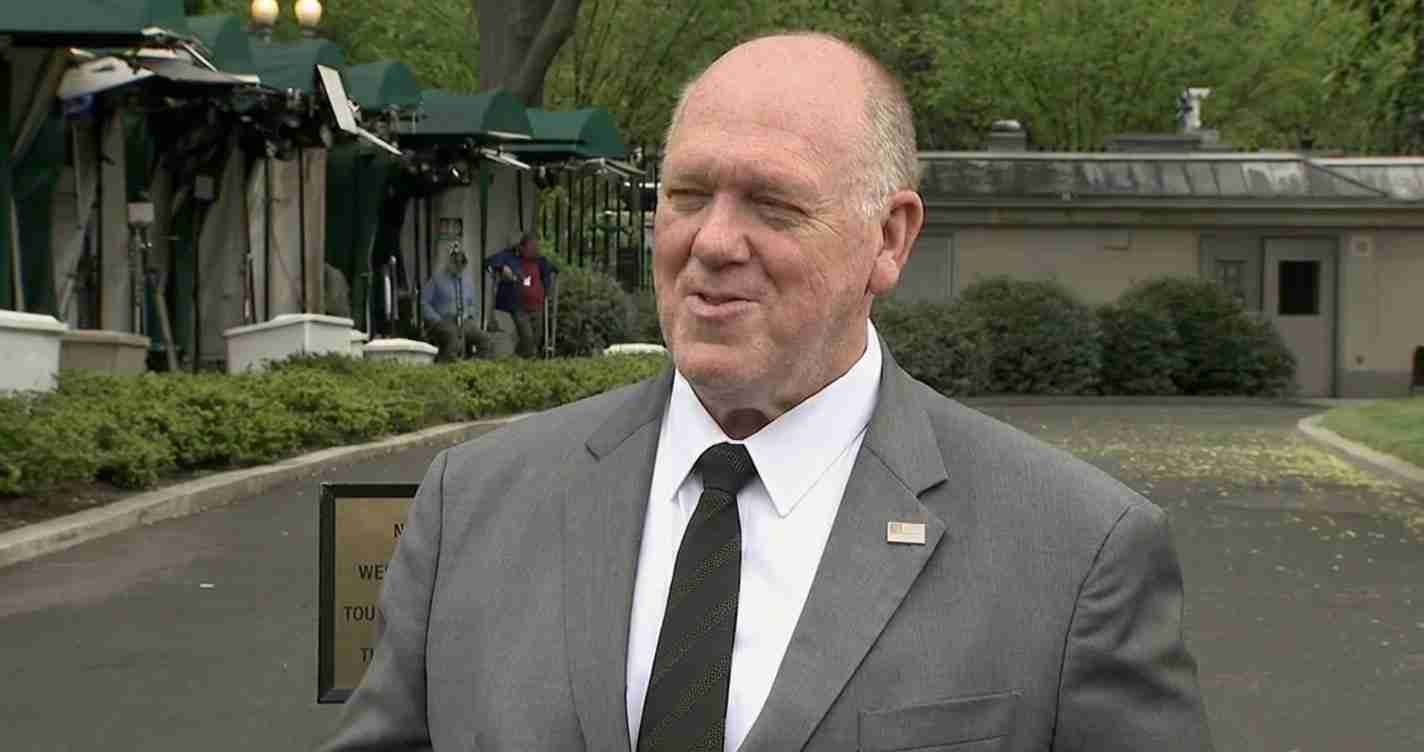
- Tensions have escalated after federal deployments, including the appointment of Tom Homan to coordinate federal activity in the city — report and the Minneapolis statement.
- Legal limits mean the federal government controls immigration law, but courts prohibit commandeering local police to enforce federal statutes — analysis.
Main content
What the president said
President Trump posted on Truth Social that Mayor Frey’s declaration that Minneapolis “does not, and will not, enforce Federal Immigration Laws” was “surprising” given a recent “very good conversation” between them and that someone should tell Frey the stance is a serious legal violation. The post warned Frey he was “PLAYING WITH FIRE” and outlined specific expectations for local leaders: turn over people in local jails who are in the U.S. unlawfully, commit local officers to federal handovers, help track criminal immigrants, and partner to protect citizens during removals — as documented in the Time report.
Conservative commentators and national outlets also detailed those demands and framed them as part of a broader push for local cooperation with federal immigration enforcement — see commentary in Fox News opinion.
How Mayor Frey replied
Mayor Jacob Frey answered on platform X that policing priorities must center on public safety and trust. He wrote that “the job of our police is to keep people safe, not enforce fed immigration laws”, arguing detectives and patrol officers should focus on violent crime rather than “hunting down a working dad who contributes to MPLS & is from Ecuador.” Frey emphasized that residents must feel safe calling 911, drawing a contrast to past policing approaches in New York City under Rudy Giuliani — see Frey’s response.
Background and recent developments
Tensions between Minneapolis city officials and federal authorities rose in early January after a federal agent shooting and other violent incidents prompted heightened federal enforcement. On Jan. 26, 2026, the Trump administration placed Tom Homan in a lead role to coordinate federal actions in the city, following public calls from Frey asking federal agents, including ICE, to leave the city after agent-involved incidents — covered in the Time report and the city’s Jan. 7 statement.
Legal context: What local governments can and cannot do
Legal experts note the federal government has primary authority over immigration, but it cannot legally compel state or local police to enforce federal immigration statutes. Courts have repeatedly ruled that the federal government may not commandeer state or local resources to carry out federal duties; that legal backdrop underpins many sanctuary city policies, which limit cooperation with federal immigration agencies while not obstructing lawful federal action — discussed in the Time analysis.
Federal threats and past court rulings
President Trump and allies have warned that municipalities resisting federal immigration enforcement could lose federal funding. Courts blocked similar funding-withholding attempts during his prior term, and legal scholars say such tactics face steep legal hurdles. Minneapolis officials and other states have responded with public statements and lawsuits to challenge or block expanded federal operations — see report.
Responses around the country
Mayors and municipal leaders nationwide have criticized the administration’s tactics, warning a heavy federal presence can erode trust between immigrant communities and local police and deter crime reporting. Some described federal teams as an “occupying force”. Conservative voices counter that mayors like Frey are endangering public safety by refusing cooperation — see coverage from ABC News and Fox News opinion.
How this fits with “Minneapolis Sanctuary City” policies
Frey’s stance aligns with sanctuary city models: cities limit their role in federal immigration enforcement, focusing on violent crime and community safety. Minneapolis’ statements earlier this month demanded ICE leave after an agent-involved shooting and emphasized protecting immigrant communities while investigations proceed — see the city’s official statement and coverage.
On-the-ground reactions and public safety concerns
The dispute has coincided with protests, clashes between federal agents and demonstrators, and heightened public fear in some neighborhoods. City leaders warn that a surge of federal agents can increase tensions and discourage immigrant victims and witnesses from contacting police, while federal officials argue their presence is needed to address violent crime and enforce national immigration policy — see contemporaneous reporting in Time and ABC News.
Implications for Fresno, California
Economic impact: Fresno’s large immigrant population and industries that rely on immigrant labor — agriculture, food processing and services — could feel ripple effects. Heightened enforcement in major cities can reduce workforce availability, slow operations and discourage people from seeking services, potentially creating labor gaps for Fresno employers — referenced in coverage.
Political consequences: The Minneapolis dispute could reshape local debate in Fresno and the Central Valley. Moderates prioritizing public safety may clash with immigrant-rights advocates focused on trust. Local officials may face pressure to clarify cooperation policies and could coordinate legal responses if federal deployments expand — see reporting in Time.
Social effects: Community trust is at stake. If immigrant residents fear local police will aid federal agents, crime reporting may drop, harming public safety. Faith groups, nonprofits and clinics may need to increase multilingual outreach to maintain connections to services.
Cultural relevance: Fresno’s diverse communities, including farmworker families and ties to Latin America and Asia, are likely to resonate with debates over sanctuary policies and federal presence in cities — see related reporting.
Practical applications for residents and officials
- Reassess local policy: Review and clarify how police interact with federal immigration agents and communicate rules clearly to residents — informed by local and national reporting (Time, Minneapolis statement).
- Boost outreach: Expand multilingual community outreach so immigrant families know they can report crimes and access services.
- Prepare legally: Coordinate with state leaders and other cities for potential legal or policy battles if federal enforcement expands.
- Support businesses: Provide employers with guidance on labor contingencies and rights if enforcement actions affect workforces.
Ongoing tensions and what to watch
This dispute highlights fault lines over local police roles, federal immigration authority, and city strategies for protecting residents while balancing national priorities. Watch for court rulings if the White House attempts to pressure cities through funding or other levers; for Fresno, leaders must weigh public safety, community trust, and economic implications — as covered in national and local statements (Time, ABC News, Minneapolis statement).


