Federal sign‑off clears way for Sites Reservoir project approval in Colusa County, a major boost for California water supply
The Trump administration issued a federal record of decision approving the Sites Reservoir in Colusa County, authorizing up to 25% federal cost coverage and advancing the largest new California water storage project since 1979.
- Federal action: The U.S. Bureau of Reclamation issued a record of decision and authorized up to 25% federal cost coverage for the Sites Reservoir project.
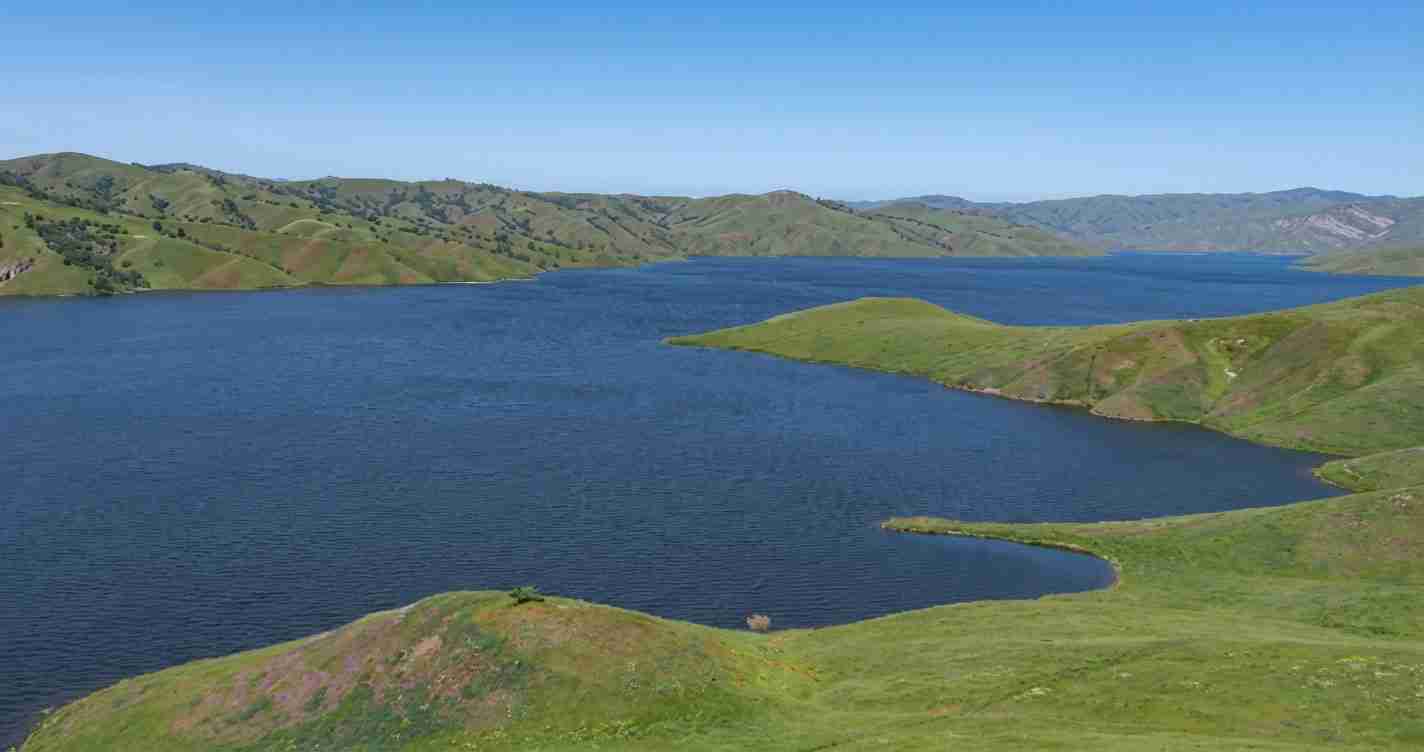
- Scale: Planned as an approximately 13‑mile off‑stream lake near Maxwell in Colusa County, the largest new reservoir since 1979.
- Reach: Projected to store water for about 500,000 acres of Central Valley farmland and help supply roughly 24 million people in multiple urban regions.
- Next steps: Federal approval clears an environmental and regulatory hurdle but construction still depends on permits, financing and partner agreements.
What the federal record of decision means
The U.S. Bureau of Reclamation’s record of decision completes the federal environmental review and formally clears a key federal hurdle for Sites. The document signals federal agreement with the environmental analysis and a willingness to participate in project funding, covering up to 25% of eligible costs. For the official Interior statement, see the DOI press release and reporting by E&E News.
Project details and the scale of the Sites Reservoir project
Planners describe Sites as an off‑stream reservoir — a storage lake filled and released through canals and pumping facilities rather than built on a main river channel. The proposed lake would stretch about 13 miles across pasturelands in Colusa County near Maxwell. If completed, it would be the largest new reservoir in California since New Melones Lake opened in 1979.
Project backers estimate the reservoir would provide water to roughly 500,000 acres of Central Valley farmland and help supply about 24 million people in regions including Santa Clara County, parts of the East Bay and Los Angeles, illustrating the project’s broad agricultural and urban impact.
Political context and bipartisan alignment
The project has drawn cross‑aisle support because it addresses both agricultural needs and urban water reliability. The federal approval aligns with President Trump’s Executive Order 14181 directing agencies to maximize water supplies and take a “disciplined, mission‑focused approach.” Interior officials framed the decision as advancing those priorities; Gov. Gavin Newsom has also backed Sites as part of California’s long‑term water portfolio. See the DOI press release and coverage by E&E News.
Department of the Interior and partner statements
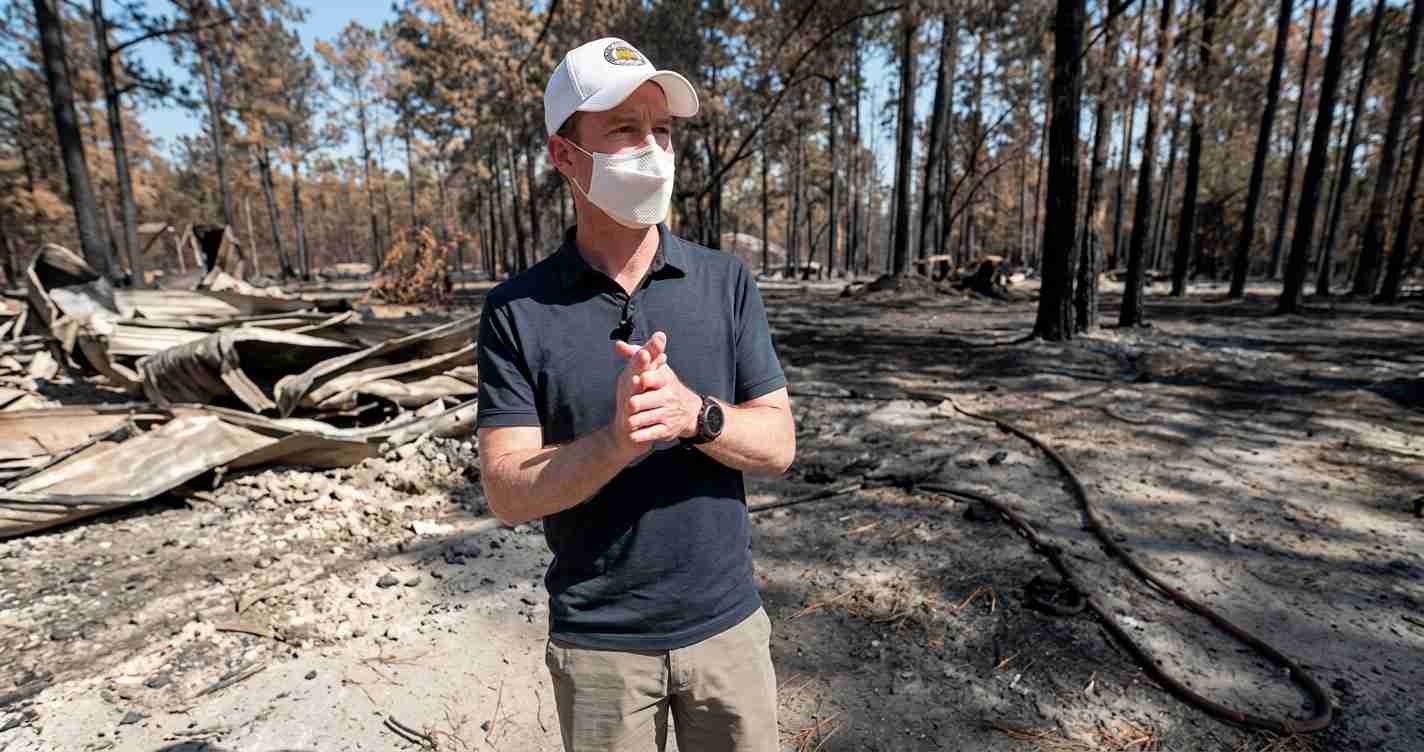
“Years of analysis, public engagement and coordination” have led to this decision and set a foundation for construction through partnerships that will deliver additional water supplies for California, said Andrea Travnicek, assistant secretary of the Interior.
The department emphasizes collaboration with state and local partners as the next phase. Department materials note a process of technical studies, environmental reviews and public comment that shaped mitigation and project design; the DOI press release outlines those points in detail.
Environmental review and public engagement
The Bureau of Reclamation’s record of decision follows an extensive federal environmental review that examined impacts on wildlife, water quality, flood risk and cultural resources. The agency concluded that the environmental analysis and proposed mitigation measures are sufficient to allow construction to move forward, while noting continued monitoring and mitigation would be required.
Project planners and officials stress that public engagement — local meetings, technical workshops and formal comment periods — played a major role in shaping the design and mitigation strategies.
Funding, next steps and timelines
The record of decision authorizes up to 25% federal cost coverage for eligible project components to leverage state, local and private funding for the remainder. Exact federal funding levels and timing will depend on subsequent agreements and congressional appropriations where needed.
Local and state partners must finalize permits, secure construction funding and complete detailed engineering — steps that typically take years. While federal approval moves the project beyond planning, construction remains contingent on financing, permits and partner agreements.
Local perspectives and what remains uncertain
Supporters point to improved water security for farms and cities; skeptics raise concerns about costs, environmental trade‑offs and long timelines. The record of decision reduces some uncertainty but does not resolve final financing, exact construction schedules, or how operations would be coordinated with existing systems during droughts and floods.
Key unresolved matters include final funding commitments, the sequence of permits, and operational rules that determine who receives water and when.
Implications for Fresno, California
Economic impact: Fresno sits at the center of the San Joaquin Valley, a major agricultural hub. A larger, more reliable Central Valley water supply could help stabilize irrigation deliveries during dry years, supporting crop planning, farm employment and related local businesses. The Sites approval could attract state and federal investment into regional water systems that support Fresno County growers.
Political consequences: The decision highlights a rare state‑federal alignment across party lines. For some Fresno voters, the move may signal practical infrastructure‑first solutions to water reliability. Local leaders may use the approval to press for funding and policy changes in Sacramento and Washington.
Social effects: More reliable water could lessen sharp cuts in irrigation during droughts, potentially reducing sudden job losses and easing pressure on local services. Actual outcomes will depend on allocation decisions, costs to ratepayers, and environmental management.
Cultural relevance & practical applications: Water projects are central to Central Valley life and identity. While Sites is in Colusa County, its effects on regional reliability and farm livelihoods tie directly to Fresno’s traditions of agriculture and community resilience. In the short term, federal approval does not change water deliveries or bills; in the long term, it could reduce the frequency and severity of water cutbacks for farmers.