
Netflix’s $72B Bid for Warner Bros. Sparks Trump Administration Skepticism, Big Antitrust Fight Ahead
Netflix’s proposed $72 billion purchase of Warner Bros. Discovery studios and HBO/HBO Max is drawing intense regulatory and political scrutiny, with reported Trump administration skepticism and a targeted closing in late 2026 that could reshape Hollywood competition.
Key takeaways
- Deal scope: Netflix would acquire Warner Bros. Motion Picture Group, Television, HBO/HBO Max and DC Studios for about $72 billion in equity (≈$82.7B including debt). (Sources: New Indian Express, Urban Hollywood 411, Illustrated Daily News.)
- Regulatory risk: Reported skepticism from senior figures in the Trump administration points to an aggressive antitrust review in the U.S. and scrutiny abroad. (Sources: Urban Hollywood 411, Illustrated Daily News.)
- Local impact: Regions such as Fresno could see changes in production work, distribution patterns and cultural access if content commissioning becomes more centralized. (Industry context: New Indian Express.)
Deal overview
Netflix has agreed to buy the film and television operations of Warner Bros. Discovery—including Warner Bros. Motion Picture Group, Warner Bros. Television, HBO and HBO Max, plus DC Studios—for roughly $72 billion in equity (about $82.7 billion including debt). Boards of both companies have approved the transaction, which aims to close in late 2026 pending regulatory approvals. (Sources: New Indian Express, Urban Hollywood 411.)
Deal details: what’s changing and what stays
Under the proposed transaction, Netflix would acquire the business units responsible for making movies and TV shows and operating the HBO streaming service. Cable channels such as CNN, Discovery channels and TNT Sports are excluded and will be spun off into a separate company, Discovery Global. (Sources: The Condia, New Indian Express.)
Branding, apps and pricing remain unsettled: Netflix says it will honor some theatrical release plans “for now,” but questions about HBO Max’s library presentation, app branding, and combined subscription pricing are unresolved. (Sources: The Condia, New Indian Express.)
What Netflix would control if the merger closes
A successful closing would give Netflix access to an enormous library and major franchises, including Game of Thrones, Harry Potter, DC characters (Batman, Superman, Wonder Woman), Warner-held The Lord of the Rings rights, The Matrix, Friends, and the extensive HBO and Warner archives. These assets would join Netflix originals like Stranger Things and Squid Game under one corporate roof. (Sources: The Condia, New Indian Express.)
Reported skepticism inside the Trump administration
Multiple industry reports say senior figures in the Trump administration view the deal with skepticism and expect a tough review. Analysts link the posture to political and personal media preferences in the White House and to recent industry transactions—such as the Ellison family’s purchase of Paramount Global—that could shape preferences for which media combinations are favored or opposed. There are no public, on‑the‑record White House statements naming this deal, but coverage indicates aggressive scrutiny is likely. (Sources: Urban Hollywood 411, Illustrated Daily News.)
“Analysts expect the Trump administration’s posture on media mergers to be more political and to influence DOJ and FCC processes, even though those agencies are formally independent.”
Antitrust and regulatory concerns being raised
Regulators and experts are expected to focus on several core issues:
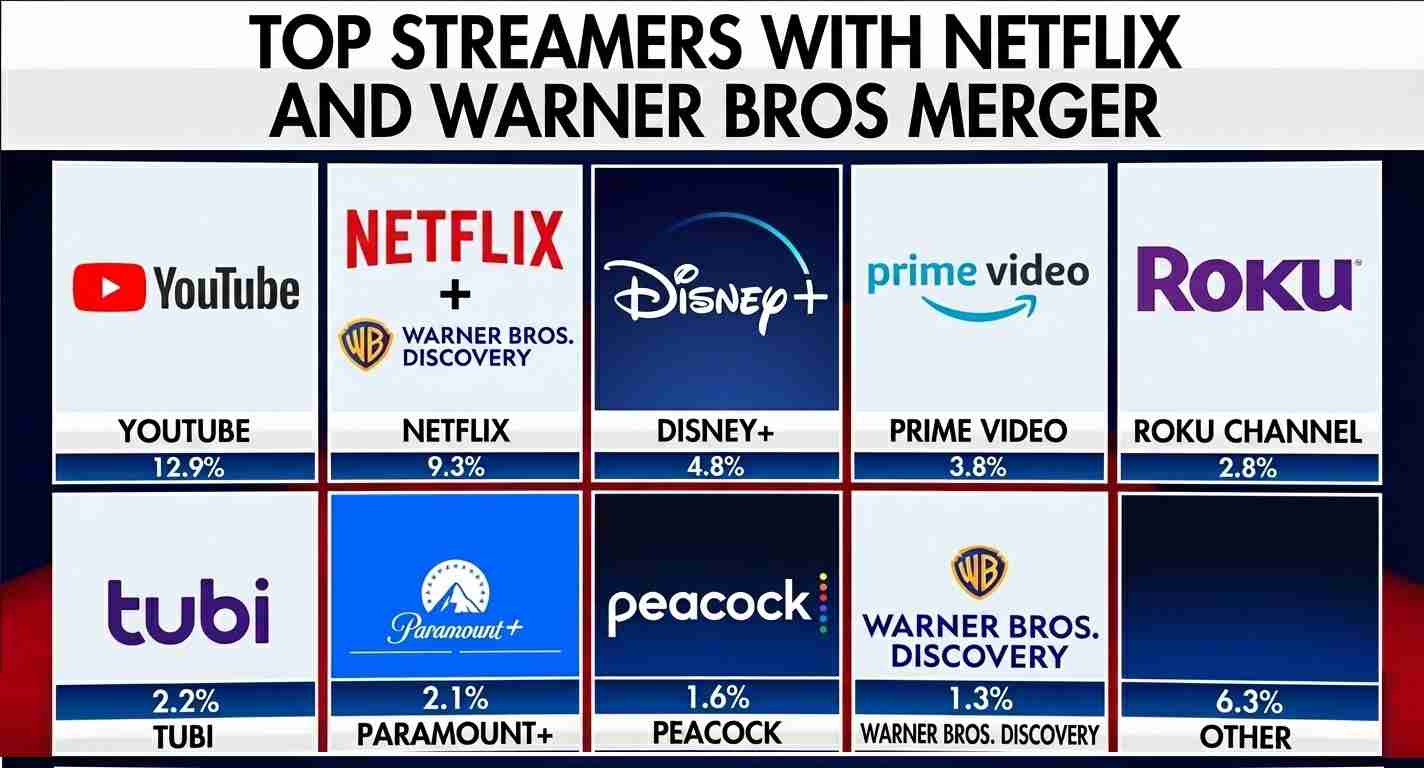
- Market power in streaming: A combined Netflix and HBO Max might become the world’s largest subscription platform, raising concerns about pricing power, licensing leverage, and access for rival services. (Sources: New Indian Express, Illustrated Daily News.)
- Studio consolidation: Netflix would transition from distributor to owner of a legacy major studio, potentially increasing its bargaining power with talent, producers, and rival platforms. (Source: New Indian Express.)
- Effects on workers and indie producers: Unions and producer groups warn that fewer buyers could weaken bargaining power, reduce commission diversity, and threaten jobs. (Source: New Indian Express.)
- Theatrical market effects: Netflix has pledged to keep theatrical releases “for now,” but regulators may demand enforceable commitments to preserve exhibition windows. (Sources: The Condia, New Indian Express.)
Given recent tougher stances on media and tech deals, analysts expect a full and potentially lengthy antitrust review by the U.S. Department of Justice, possibly accompanied by conditions, behavioral rules, or divestitures to secure approval. (Sources: Urban Hollywood 411, Illustrated Daily News.)
Political angle: Netflix vs. Trump‑aligned media
Commentary frames the merger within broader political dynamics. Netflix is frequently criticized by conservative commentators for programming choices, while outlets praised by Trump are now closer to the Ellison‑owned Paramount Global. Analysts suggest that this political rivalry could deepen administration skepticism and influence how aggressively regulators probe the transaction. (Source: Urban Hollywood 411.)
Industry and stakeholder reactions
Hollywood executives call the deal “jolting” and transformational. Producer guilds and industry groups urge regulators to safeguard worker rights, maintain diverse commissioning, and preserve theatrical distribution windows. Competing bidders and companies (including Comcast and Ellison‑linked groups) may lobby Washington to increase scrutiny or block the deal on competition grounds. (Sources: The Condia, New Indian Express, Illustrated Daily News.)
What this would mean for HBO Max, DC and major franchises
If approved, HBO Max content and DC Studios would be integrated into Netflix’s ecosystem, potentially consolidating major DC films/series, new Game of Thrones projects, and large Warner libraries inside a single platform. Details on brand and app integration are undecided; Netflix’s current public assurances on theatrical releases may require regulatory commitments to be durable. (Sources: The Condia, New Indian Express.)
Implications for Fresno, California
Economic impact
Local vendors and crews in Fresno, which has a growing regional production scene, could feel ripple effects if commissioning centralizes and buyers decline. Small production companies and freelancers in the Central Valley may face reduced work or changing project greenlighting processes. (Industry context: New Indian Express.)
Political consequences
The reported Trump administration skepticism highlights how federal antitrust reviews intersect with national politics. Fresno voters and leaders monitoring federal policy may watch whether Washington’s approach to media mergers favors particular owners—an issue that could influence local debates about jobs, regulation, and media diversity. (Sources: Urban Hollywood 411, Illustrated Daily News.)
Social effects
If Netflix secures exclusive control of major franchises, Fresno viewers could see changes in distribution and cultural access. Local libraries, schools, and community groups that host film events may face new licensing rules or costs. Worker groups tracking union and guild negotiations will be closely attentive to how production work is allocated. (Source: New Indian Express.)
Cultural relevance
Regional screenings, festivals, and workshops in the Central Valley could be affected if premiere and marketing focus shifts to coastal hubs. Unless Netflix intentionally invests in regional outreach, events and premieres may migrate away from communities like Fresno. (Sources: The Condia.)
Practical applications for residents
Consumers in Fresno may face subscription consolidation, new bundling, or migration of HBO and Warner titles to a single Netflix app if the deal clears—simpler for some viewers but potentially pricier and less competitive for others. Local cinemas reliant on Warner tentpoles will monitor theatrical-window changes that could alter box-office performance. (Sources: The Condia, New Indian Express.)
Stakeholder steps Fresno should watch
Local film commissions, labor groups, and small media businesses should monitor DOJ/FTC filings and any conditions imposed. There may be opportunities to advocate for protections that preserve local production work, fair licensing, and regional content access. (Context: Urban Hollywood 411, Illustrated Daily News.)
Reporting and next steps
Industry analysts expect a rigorous and potentially lengthy U.S. antitrust review under the Trump Department of Justice. The companies continue to target a late‑2026 close but must navigate political scrutiny and regulatory processes domestically and internationally. Sources and trade reporting referenced in this article include coverage by Urban Hollywood 411, Illustrated Daily News, The Condia, and New Indian Express.



