
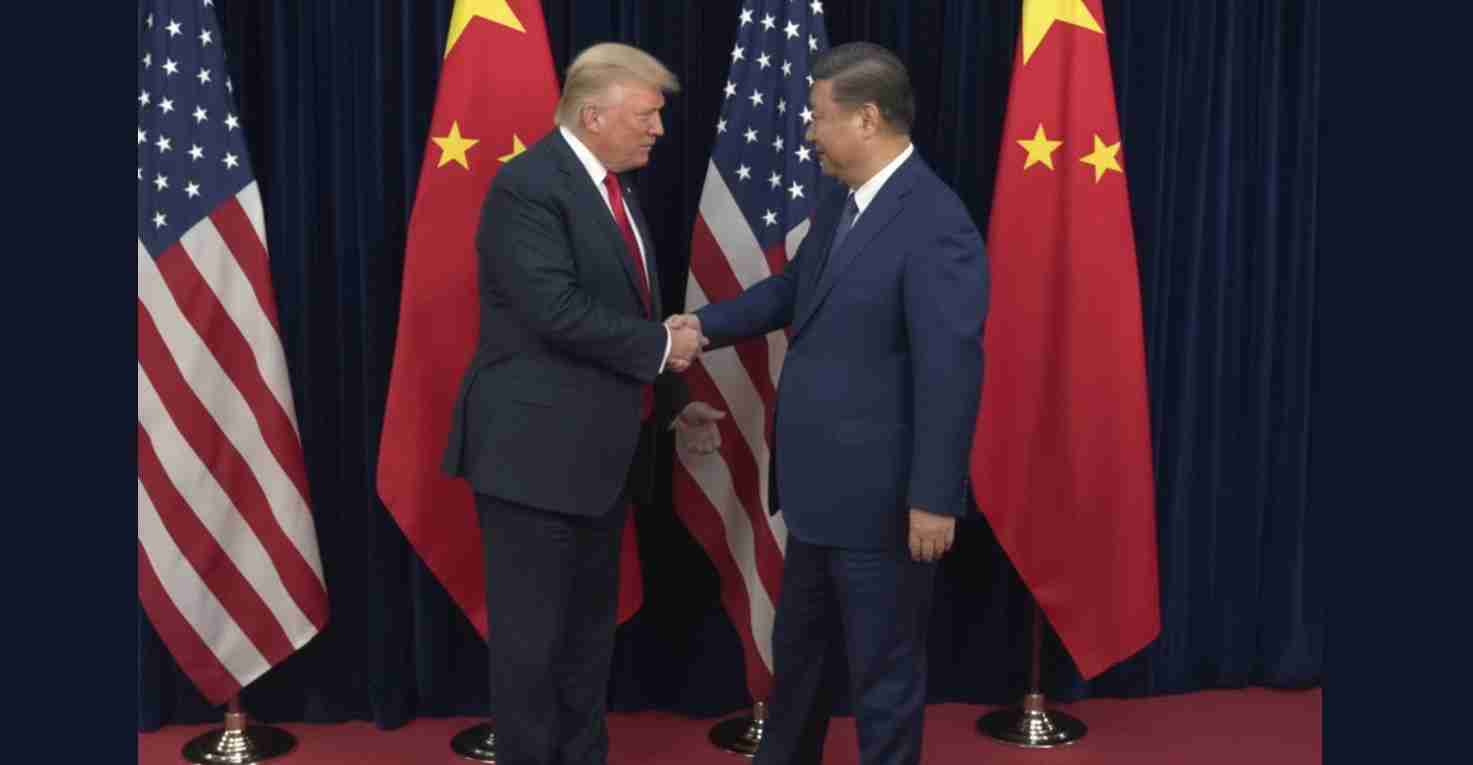
Trump signals de-escalation of US-China trade war, floats cutting tariffs to 80% after Xi vows tougher fentanyl enforcement
President Donald Trump signaled a move to de-escalate the US-China trade war, proposing a reduction in tariffs on Chinese imports from 145% to about 80%, citing Beijing’s tougher fentanyl enforcement and diplomatic openness ahead of high-level talks.
- Tariff shift: The administration has proposed lowering U.S. tariffs on Chinese imports from 145% to roughly 80%, while stressing tariffs will not return to zero — a major, but partial, rollback (Fortune).
- Negotiations ahead: Top U.S. trade and Treasury officials are gearing for high-level talks with Chinese counterparts in Geneva to address trade barriers, fentanyl trafficking and critical minerals (Finance & Commerce).
- Beijing’s concessions: Chinese leader Xi Jinping signaled willingness to negotiate and reportedly offered firmer fentanyl enforcement, helping open the door to tariff discussions (ASICentral; The Register).
Main story
Background and what Trump said
President Trump has described the existing 145% tariff level as “very high,” saying it “won’t be that high. It will come down substantially. But it won’t be zero. It used to be zero.” In public posts he floated an 80% tariff, noting “80% tariff on China seems right! Up to Scott B” — a reference to Treasury Secretary Scott Bessent (ASICentral; Fortune).
Officials gearing up for talks
The administration dispatched top trade and financial officials to Geneva for high-level engagement. Treasury Secretary Scott Bessent and U.S. Trade Representative Jamieson Greer were reported to meet China’s Vice Premier He Lifeng — the most senior bilateral trade engagement in months. The agenda reportedly includes reducing trade barriers, tackling illicit fentanyl shipments and seeking assurances on critical mineral flows (Finance & Commerce; Fortune).
Beijing’s response
China’s public messaging softened ahead of the talks. Xi Jinping described friction between the two largest economies as “normal” and indicated a willingness to negotiate. Reports say Chinese officials indicated readiness to strengthen fentanyl enforcement, a concession that helped pave the way for tariff discussions (ASICentral; The Register).
Fentanyl enforcement: China and U.S. concerns
U.S. officials have linked steep tariffs to national security and public health concerns amid a rise in fentanyl-related deaths tied to illegal imports. The administration has said tariffs were intended to pressure China to crack down on suppliers and shipments of synthetic opioids. Public signals from Beijing promising tougher enforcement were cited as a central factor enabling U.S. openness to reduce tariffs (The Register).
Rare-earths: reported pause, details scarce
Some reports mention a reported pause in China’s steps to restrict rare-earth exports — minerals critical to electronics, EVs and defense — but publicly available details are limited. Analysts warn the rare-earth issue remains fluid and could re-emerge as a negotiation sticking point (The Register).
Market and economic effects
Financial markets reacted positively at first, with gains in major U.S. indexes as investors priced in lower costs for consumers and corporations. Volatility returned as traders weighed the timing and likelihood of any formal rollback and awaited concrete commitments from Beijing (ASICentral).
How big is this shift?
If enacted, a reduction from 145% to 80% would be a substantial policy change: tariffs would remain far above pre-2025 levels, preserving U.S. leverage while easing some pressure on consumers and businesses. White House officials emphasized tariffs would stay “substantially” above zero and be tied to enforcement on fentanyl and critical minerals (Fortune; Finance & Commerce).
What reporters and analysts say
Trade experts note potential benefits — lower prices for some imports and eased supply-chain stress — but warn that an 80% tariff would still keep costs elevated and complicate sourcing decisions for manufacturers relying on Chinese inputs. Linking tariff relief to non-trade matters like fentanyl enforcement or rare-earth access raises verification and enforcement challenges (Fortune; Finance & Commerce).
Implications for Fresno, California
Economic impact
Farmers and food processors: Fresno County exports many agricultural products and depends on imported inputs. A tariff drop could reduce costs for imported equipment, processing components and packaging supplies from China, potentially easing margins — though an 80% tariff would still leave input prices elevated compared with pre-2025 levels (Fortune).
Consumer goods and retail: Fresno households might see slower price growth for electronics and small appliances if tariffs fall. Local retailers could regain pricing stability if trade tensions ease (ASICentral).
Ag supply chains: Many Central Valley farms import specialized parts and chemicals. Tariff reductions could lower costs for repair parts and components, improving farm operating budgets in the near term (Finance & Commerce).
Political consequences
Local officials and business groups that favor stable trade relations are likely to welcome de-escalation. The approach can be framed as protecting jobs and consumer costs while linking concessions to public-safety priorities like fentanyl enforcement. Critics on both sides may argue the remaining tariffs are either too high or that the administration conceded too much to Beijing (The Register).
Social effects
Public health tie-in: Fresno County health officials, addressing opioid-related challenges, may press for verifiable commitments on fentanyl enforcement tied to any trade concessions. Effective cooperation could support local harm-reduction efforts (The Register).
Jobs and workforce: Reduced trade frictions could bring more predictable costs for manufacturing and distribution centers that serve the Central Valley, helping stabilize employment in logistics and warehousing.
Cultural relevance
Fresno’s immigrant communities and trade-dependent small businesses often favor predictable trade policies that keep goods affordable. Local cultural institutions and business associations may emphasize the diplomatic steps on fentanyl as aligning safety priorities with economic needs.
Practical applications for residents
- Grocery and retail prices: Consumers should watch prices for imported goods; a shift from 145% to 80% might slowly lower shelf prices or reduce price growth for electronics and household items, though effects may be uneven (ASICentral).
- Local businesses: Companies that import from China should track announcements and prepare contingency plans; tariff changes may be phased in or conditioned on verification of China’s commitments (Fortune).
- Community safety efforts: Public health and law enforcement should seek clear assurances from federal partners about fentanyl enforcement outcomes tied to trade concessions to ensure local harm-reduction programs are supported (The Register).
Sources and further reading
- Fortune: Trump floats cutting China tariffs to 80% as talks loom
- ABC Columbia: Trump floats cutting China tariffs to 80% ahead of meeting as he looks to de-escalate trade war
- Finance & Commerce: Trump-China tariff reduction 80 percent talks
- The Register: U.S.-China tariff reduction plan and related reporting
- ASICentral (members): Reporting on Trump, Bessent and tariff signals
“Very high… it won’t be that high. It will come down substantially. But it won’t be zero. It used to be zero.” — President Donald Trump, on high tariff levels and possible reductions (ASICentral).


