Trump administration invokes DPA to force California Offshore Oil Restart at Sable, citing national security
The Trump administration invoked emergency powers under the Defense Production Act to compel restart of the Sable Oil Project off Santa Barbara, citing national security and fuel needs for West Coast military bases; Governor Newsom vowed a legal challenge.
- Federal DPA order: Energy and Interior secretaries directed Sable Offshore to resume pipelines and wells to secure fuel for military installations.
- Administration rationale: Officials say California imports about 60% of crude and is vulnerable to disruptions through chokepoints like the Strait of Hormuz.
- State pushback: Governor Newsom condemned the move, citing the 2015 spill and promising immediate legal action to protect environmental and state regulatory authority.
- Local stakes: Fresno-area residents may feel economic and political effects from potential fuel price changes and the ensuing legal battle.
What the administration says
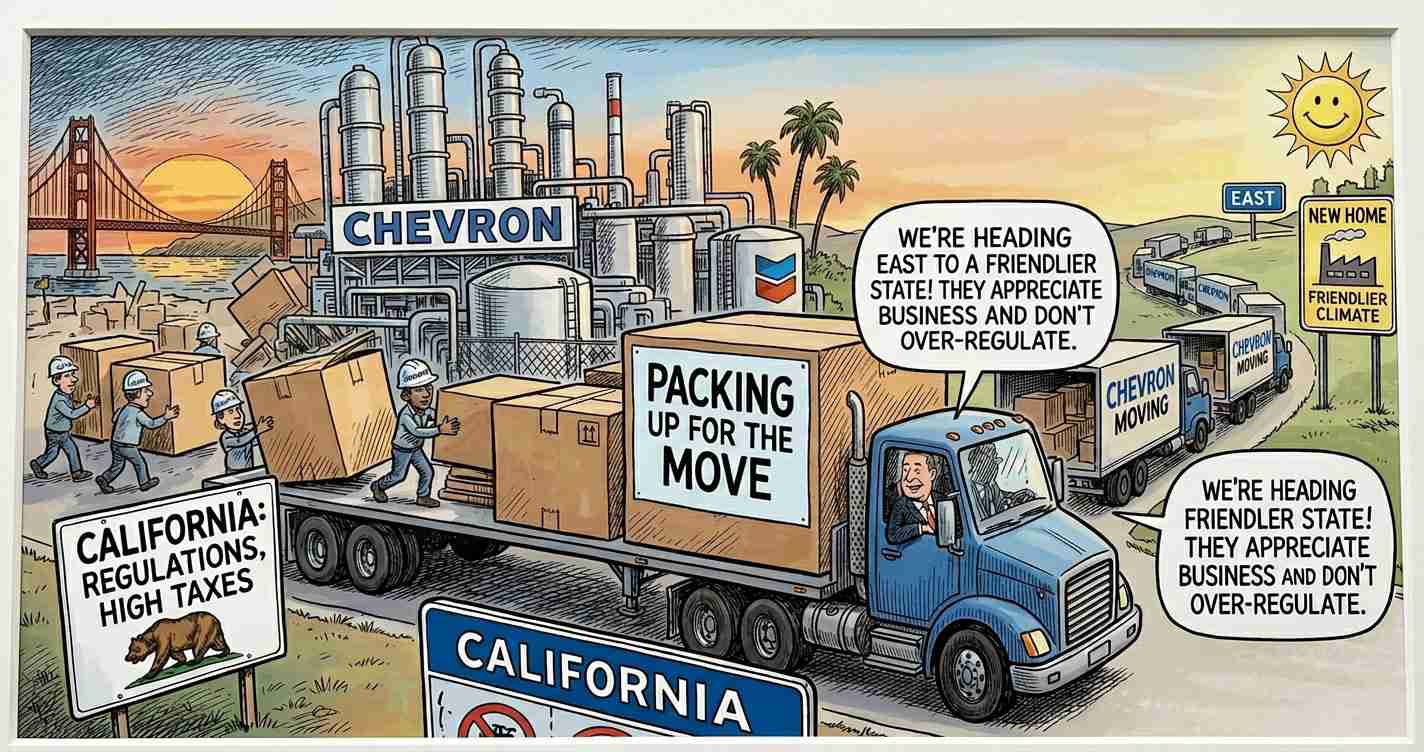
Energy Secretary Chris Wright and Interior Secretary Doug Burgum framed the action as an emergency step to reduce California’s foreign crude dependence and to “strengthen America’s oil supply” for West Coast military readiness. Wright described restarting previously drilled offshore wells and pipelines as necessary to ensure reliable fuel for operations. Burgum criticized state energy policies as having discouraged local production and raised costs, saying California’s import share poses an “absolute national security risk.” For the administration’s formal framing, see the U.S. Department of Energy fact sheet and reporting by E&E News.
Why officials cite the Strait of Hormuz and military bases
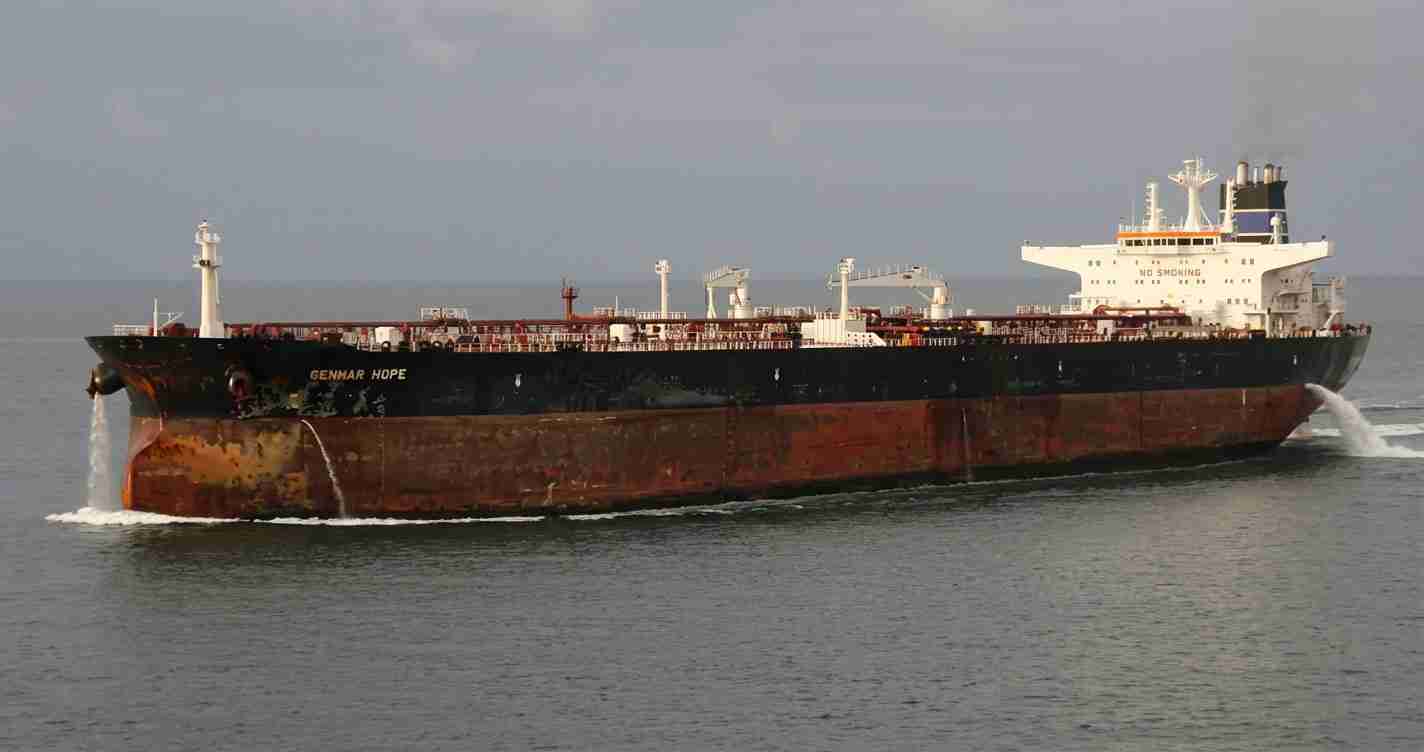
Administration materials emphasize seaborne crude shipments that transit global chokepoints such as the Strait of Hormuz. Officials argue instability in parts of the Middle East could interrupt imports and affect fuel for more than 30 military installations in California, justifying use of the DPA as a measure to protect defense readiness. See the Energy Department analysis and reporting by E&E News for details.
About the Sable Oil Project
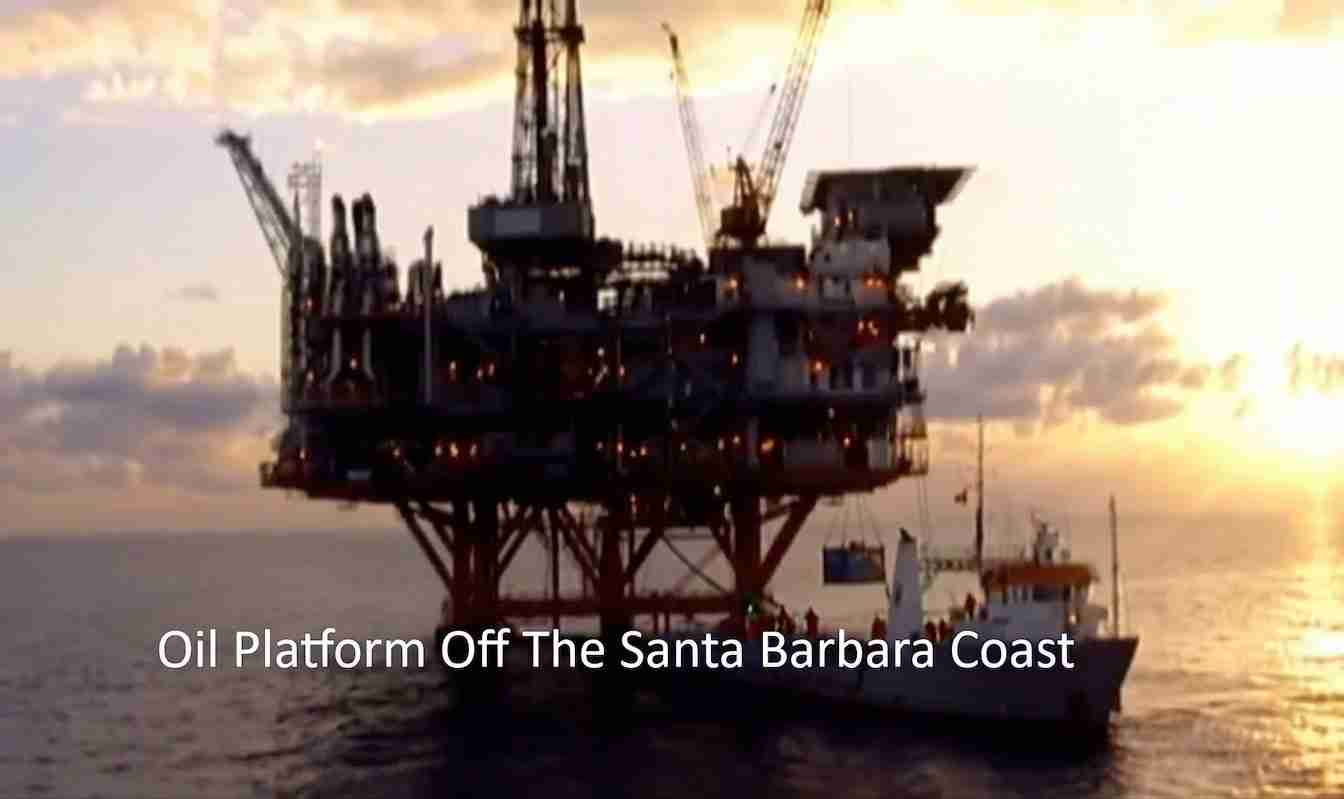
The Sable Oil Project comprises three offshore platforms, associated pipelines, and an onshore processing facility near Santa Barbara. Operators halted operations after a 2015 pipeline spill that fouled shoreline and harmed wildlife; California regulators have kept the system offline citing safety and environmental concerns. Reporting on the history and regulatory status is available from E&E News and the Office of the Governor of California.
The federal action
In March 2026, President Trump delegated certain Defense Production Act authorities to the Energy Secretary, who issued a directive ordering Sable Offshore to resume operations. The administration says the restart will reduce reliance on imported crude and improve fuel availability for military use. Critics argue the order overrides state environmental review and regulatory power; read the original reporting in Politico and analysis in E&E News.
California’s response and the legal fight
Governor Gavin Newsom called the DPA order an illegal use of emergency powers and promised an immediate court challenge. State officials point to the operator’s past violations and the 2015 spill as reasons the project must remain offline until adequate safety and environmental protections are ensured. The governor’s statement is available from the Office of the Governor of California.
Data on California production, refineries and imports
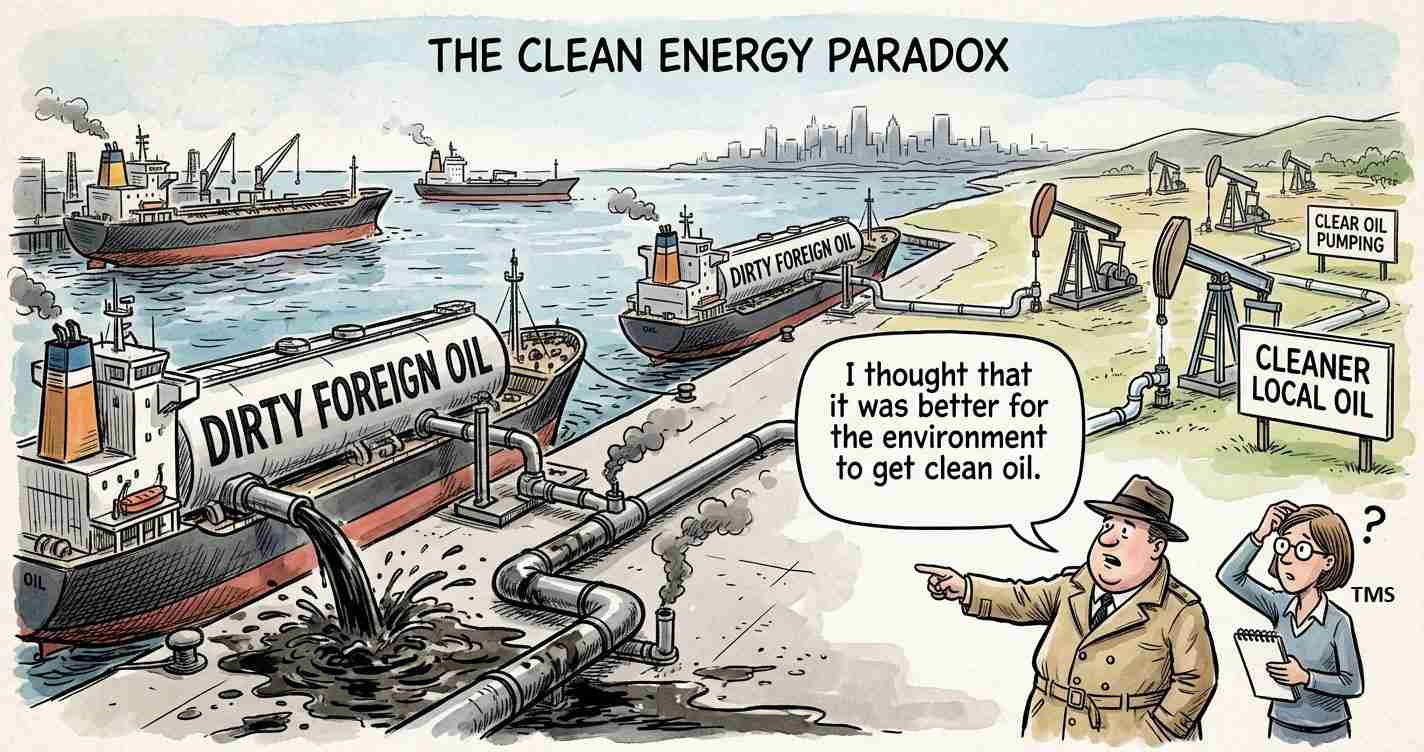
California’s in-state crude production has declined for decades due to aging fields, limited new discoveries and regulatory shifts. Refinery capacity has changed, reducing the local supply cushion. The Energy Department’s fact sheet states about 60% of crude supplied to California refineries is imported; on a key reporting date in early 2026 Iraq was listed as the top foreign supplier. See the Energy Department fact sheet and additional reporting from VibeTrader.
Points of contention and open questions
- Magnitude of the national security risk: Administration cites import shares and chokepoints; critics question whether restarting a single offshore system meaningfully reduces strategic exposure compared with alternatives such as strategic reserves or supplier diversification.
- Use of the DPA: Supporters call it lawful federal protection of defense needs; opponents see an overreach that sidesteps environmental rules and state authority.
- Long-term policy effects: The administration blames state climate and coastal protections for discouraging production; California defends those rules as essential to public health and climate goals.
Implications for Fresno, California
Economic impact: Fresno residents could feel pressure from fuel price changes. If offshore production eases supply strains, gasoline and diesel prices might stabilize, though the direct effect of Sable alone is uncertain given statewide refinery capacity and global markets.
Political consequences: The federal action may intensify debate across the Central Valley on energy policy, jobs and the environment; some local leaders focused on farm and transportation costs may back measures to stabilize fuel, while others emphasize air quality and climate.
Social and practical effects: Working families, trucking, schools and local agencies that depend on diesel should monitor fuel prices and state responses. Local officials may face requests to weigh in on the legal fight or pursue consumer protections against price volatility.
Sources and further reading
- E&E News: Trump admin invokes emergency powers to restart oil pipeline off California
- Politico: Trump administration invokes emergency powers to restart oil operations off California coast
- U.S. Department of Energy: Fact Sheet — California’s war on American energy impoverishes residents and harms national security
- Office of the Governor of California: Governor Newsom condemns federal action
- VibeTrader coverage of administration comments and import data
Note: For additional reporting on the 2015 Santa Barbara-area spill and specific safety findings that led regulators to keep Sable offline, more material is available upon request.