Trump orders Christmas Day airstrikes on ISIS in northwest Nigeria, saying attacks target militants who “slaughter” Christians
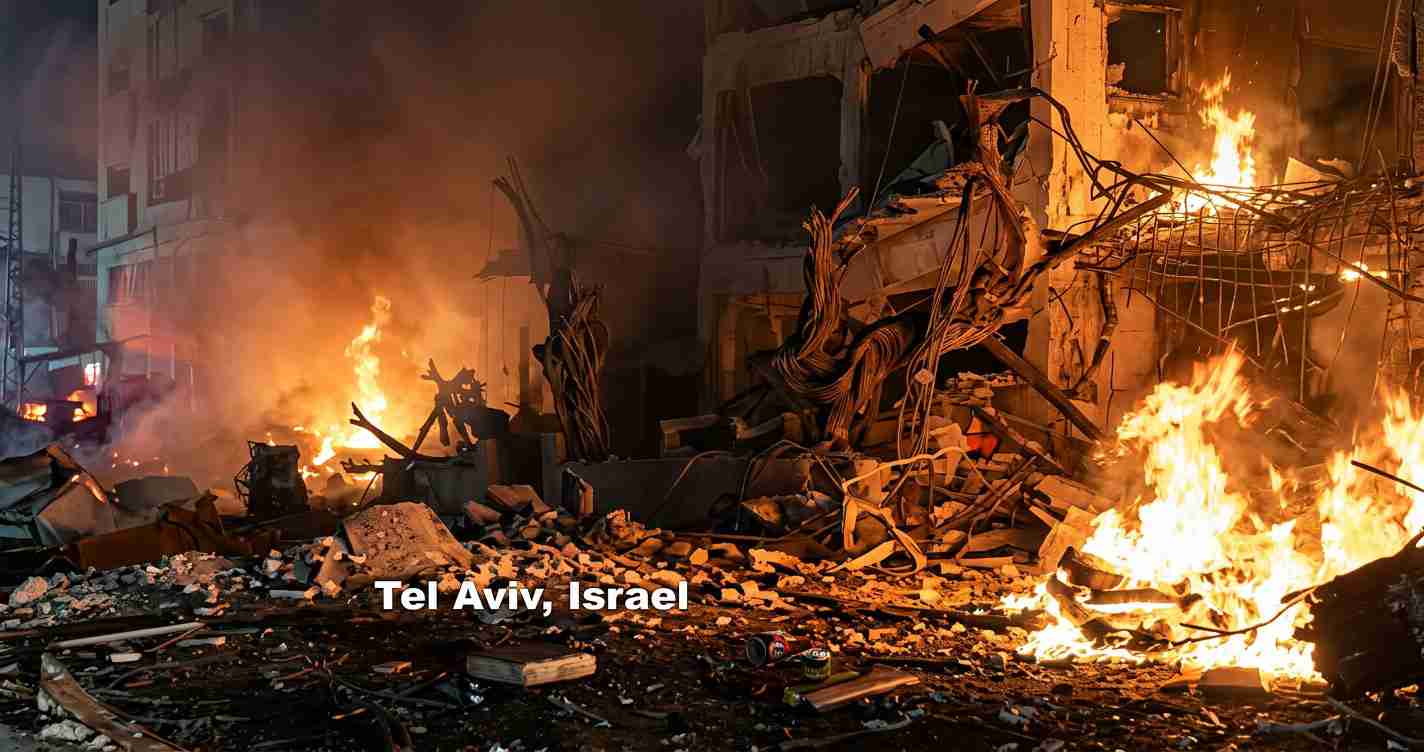
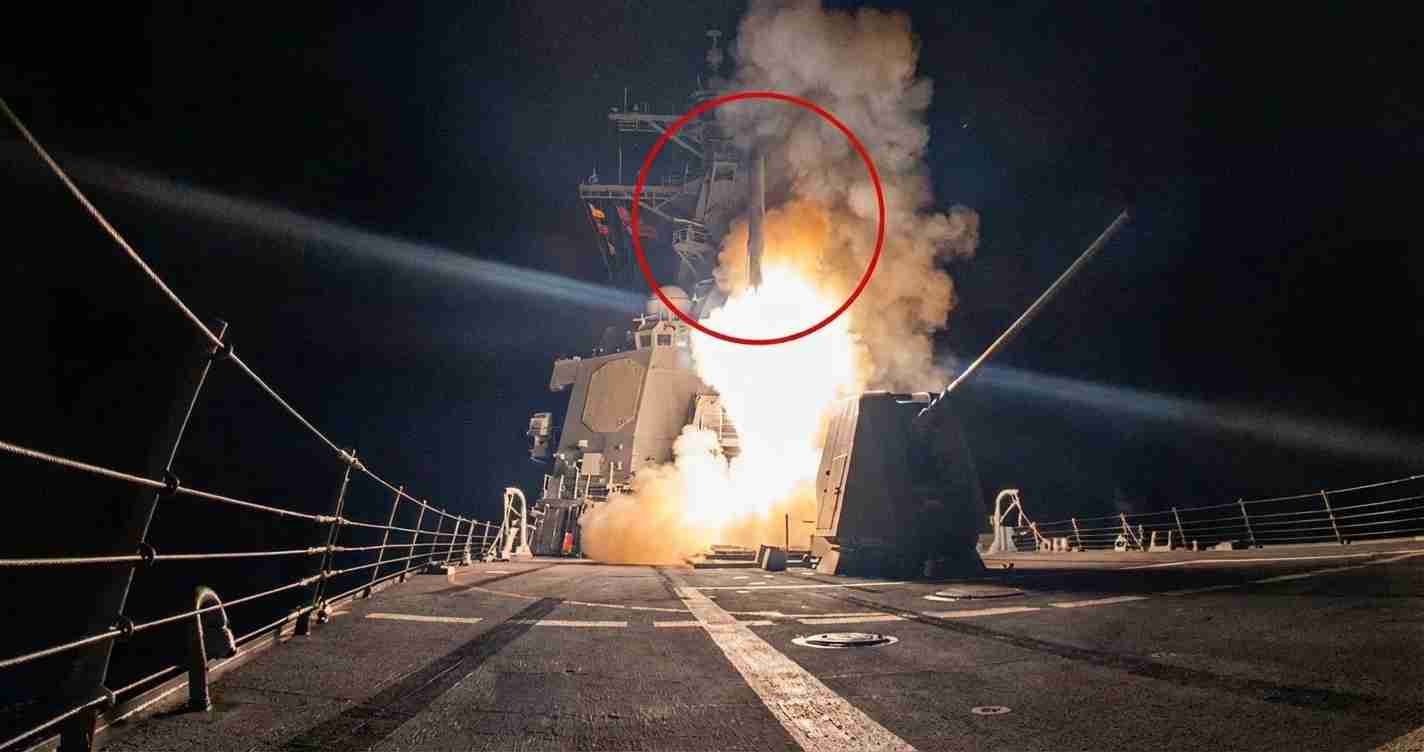
U.S. forces carried out surprise airstrikes against ISIS-affiliated militants in northwest Nigeria on Dec. 25, 2025, after orders from President Donald Trump, who cited attacks on Christians; Nigerian officials said the strikes targeted broader threats to civilians.
- Date and action: U.S. forces launched airstrikes in northwest Nigeria on Dec. 25, 2025, under orders from President Trump — reported in a video report.
- Targets and impact: The strikes hit ISIS-affiliated militant positions and killed multiple fighters; Nigerian officials said the action aimed to protect civilians (see video report and video report).
- President’s rationale: Trump framed the strikes as a response to militants “slaughtering” Christians and highlighted the timing as a message to attackers (video report).
- Nigerian view: Officials welcomed support but emphasized the operation targeted threats to all civilians, not a single religion (video report).
What happened
U.S. military aircraft struck sites tied to ISIS-affiliated militants in northwest Nigeria on Christmas Day, according to U.S. and Nigerian officials. The strikes were ordered by President Trump, who said the operation was meant to punish militants accused of killing Christians. Officials reported that multiple militants were killed.
The operation was described as coordinated with Nigerian authorities: Abuja provided intelligence that helped identify targets. Some Nigerian officials publicly welcomed U.S. assistance while cautioning against framing the crisis purely as religious violence. As one Nigerian official said,
“This is not about religion. It is about Nigeria’s innocent civilians and the wider region as a whole.”
President’s statements and timing
Trump framed the strikes as a response to escalating attacks on Christians, saying militants had been “slaughtering” Christians and pledging forceful retaliation. Reporting indicates the strikes were delayed from Dec. 24 to Dec. 25 for symbolic effect; Trump described the timing as a kind of “Christmas present” to militants (video report).
Trump’s rhetoric fits a pattern of uncompromising language toward terrorist groups, urging harsh reprisals to deter future attacks. The public record does not show a clear, verifiable prior threat related to Nigeria in the previous month, though his tone aligns with earlier warnings to extremist actors (video report).
Nigerian officials and local leaders
Government response: Nigerian officials emphasized the strikes were aimed at armed groups that threaten civilians, rejecting a strictly religious framing. Local Christian leaders described attacks as attempts to “cleanse the land of Christians,” while analysts caution the situation is complex.
Militias and criminal gangs (often called bandits) have carried out kidnappings and attacks; experts cite poor governance, weak security and local disputes as root causes beyond purely religious motives. Former U.S. Special Envoy J. Peter Pham said the strikes could pressure Nigeria to improve governance and security in neglected areas (video report).
Context: ISIS presence and local dynamics
The targeted groups have ties to ISIS in West Africa but often operate alongside local criminal networks. Analysts note militants exploit weak state reach and local grievances to expand influence. Attacks on villages, markets and places of worship have fueled displacement across the region.
Strategic aim: U.S. strikes are part of broader efforts to curb extremist activity and disrupt the groups’ ability to plan and carry out attacks (video report; video report).
How the strikes fit into U.S. policy
The Christmas Day strikes follow a pattern of U.S. military actions against violent groups overseas, including recent strikes in Syria and operations targeting fighters aligned with Iranian proxies. The administration says such actions aim to protect U.S. interests and civilians. In remarks around the strikes, Trump thanked troops and urged they show “no mercy” to terrorists, signaling a hard-line counterterrorism approach (video report).
Questions raised and sources
Public statements leave operational and legal questions for journalists and lawmakers: the legal basis for strikes in Nigeria, scope of coordination with Nigerian forces, civilian casualty assessments, and how the strikes will affect local dynamics. Reporting here draws on video briefings and statements; full verification remains limited in public accounts.
Implications for Fresno, California
Fresno’s sizeable immigrant population with ties to West Africa may feel immediate and secondary effects from the strikes and ongoing violence in Nigeria.
- Economic impact: Remittances and community donations could shift as families send more support home; aid groups and churches may face increased demand.
- Political consequences: Local debates may emerge about national security vs. diplomacy, shaping election-year conversations among moderate and independent voters.
- Social effects: Churches, mosques and interfaith groups may organize vigils, fundraisers, or informational sessions to reduce tensions and support affected families.
- Practical applications: City services and nonprofits should prepare for increased requests for remittance help, asylum/legal aid, counseling and volunteer needs.
Sources and reporting notes
This article draws on video reporting and official statements. Key sources used in reporting include two video reports:
Reporting on fast-moving military actions often evolves as more official details are released. Journalists will continue to seek independent verification of casualties, exact targets, and the degree of Nigerian government participation. Federal and Nigerian officials issued public statements; local sources in northwest Nigeria describe a mix of extremist and criminal activity that complicates simple religious explanations.