
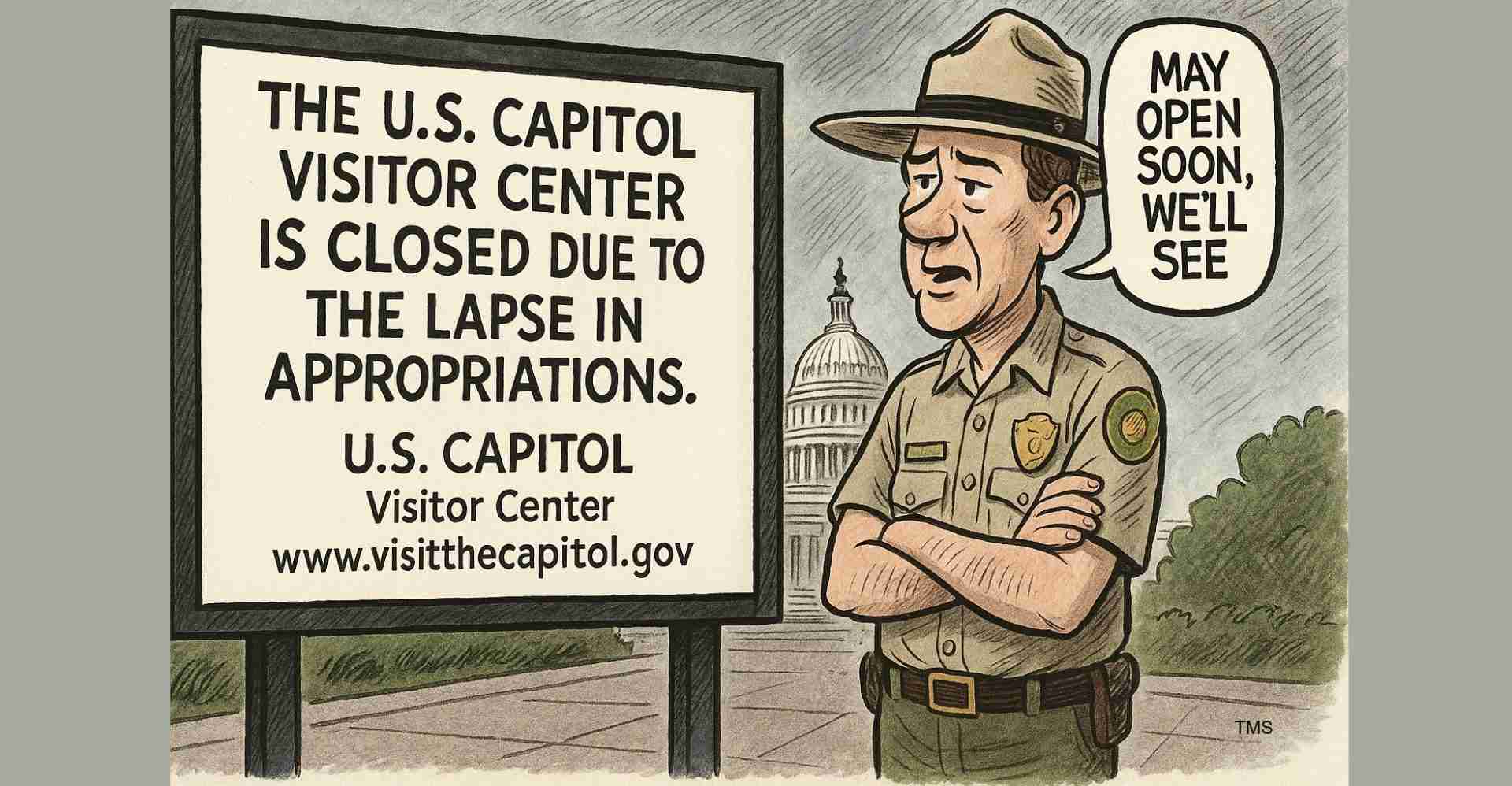
Lawmakers Move Toward 2025 Government Shutdown Compromise, Call It an “End of the Beginning”
After weeks of stalemate, U.S. lawmakers show signs of progress toward ending the 2025 federal government shutdown that began Oct. 1, with renewed talks on ACA subsidies offering hope for furloughed employees and those working without pay.
- Negotiations are restarting: leaders in both chambers report a greater willingness to compromise after recent elections and outreach.
- ACA subsidies remain central: the dispute over continuing Affordable Care Act subsidies is the main blockage to a bipartisan funding package.
- Widespread impacts: nearly 900,000 furloughed workers and about two million working without pay, plus paused programs at NIH, CDC and parts of WIC.
- Procedural hurdles persist: the Senate filibuster and 60‑vote threshold require cross‑party trade‑offs to reach a deal.
Key information
Lawmakers have begun to move toward potential compromises after months of gridlock, a change some observers are calling the “end of the beginning” of the shutdown — see the Wikipedia summary and ABC News coverage.
The shutdown began when Senate Democrats blocked a House continuing resolution tied to Republican demands, primarily over an ACA subsidies dispute and related policy terms; see also a congressional summary from Rep. Stanton’s office.
Nearly 900,000 federal employees were furloughed, and about two million have been forced to continue working without pay — documented in the shutdown summary and a congressional impact overview.
Critical programs including parts of NIH, CDC and the WIC program have faced partial or total suspension.
How talks have shifted
For the first time since Oct. 1, lawmakers in both chambers report a greater willingness to sit down and negotiate. Analysts say the post‑election calendar altered incentives; as Senate Majority Leader John Thune put it, the period might free members to focus on reopening the government.
Senators and House leaders have restarted talks and are crafting proposals to bridge priority items. Movement is uneven: some Republicans press for spending limits while others express concern for federal workers and shuttered programs. Reports suggest some GOP members are reconsidering deep cuts proposed for SNAP and Medicaid after seeing immediate fallout.
What remains at stake: the ACA subsidies dispute
At the center of the impasse is whether to extend Affordable Care Act subsidies. Democrats say subsidies keep coverage affordable for millions; Republicans say continuing them without offsets increases long‑term spending. See background in the shutdown summary, a congressional summary, and analysis from Brookings.
Senate rules requiring 60 votes to overcome a filibuster mean neither party can unilaterally pass a full funding bill, pushing leaders toward bipartisan negotiation; see procedural context in Wikipedia and Brookings.
Temporary funding offers and procedural barriers
House Republicans attempted a short‑term continuing resolution to extend funding through Nov. 21, but the Senate rejected it when Democrats demanded healthcare protections be included; reporting on these moves is available from CBS News.
The White House has tracked the shutdown’s status and impacts on a public dashboard, the White House shutdown clock, adding executive pressure for a deal.
The Senate filibuster remains a key barrier; split party control and sharply different funding priorities mean leaders must find bipartisan consensus, as explained by shutdown reporting and policy analysis.
Effects and fallout across the country
The shutdown has broad effects on federal workers, safety‑net beneficiaries and public services. This is the largest recent furlough: almost 900,000 employees sent home and roughly two million required to keep working without pay (Wikipedia; Rep. Stanton).
Key impacts include:
- Research and health delays: pauses in work at NIH and CDC can slow studies and public‑health responses.
- Nutrition and aid program strains: suspensions or scaling back of parts of WIC and pressure on SNAP administration.
- Economic ripple effects: federal pay delays hurt small businesses, contractors and local economies, as reported by ABC News.
Public pressure and politics
Voters, federal workers and program beneficiaries have amplified pressure through protests, calls to congressional offices and media coverage, raising the political cost for elected officials — especially after recent elections signaled shifting voter sentiment (ABC News).
Some party leaders have held high‑level meetings, including contentious sessions involving President Trump and Democratic leaders; those talks showed both engagement and continuing distrust.
Prospects for resolution
Analysts point to a narrow post‑election window for negotiation as lawmakers seek to show progress to constituents and limit further economic damage. Leaders say they are prepared to “hunker down for a deal,” but any path forward requires trade‑offs on budget caps, healthcare subsidies and program funding.
If negotiators bridge the ACA subsidies dispute while offering compromised spending limits, a short‑term deal could win enough Senate votes — but success still depends on persuading members to accept concessions and overcoming procedural hurdles like the filibuster (Brookings).
Implications for Fresno, California
Economic impact in Fresno
Fresno’s economy could feel lost federal paychecks, reduced contracting and slowed benefit payments. Local federal employees and contractors facing furloughs or delayed pay may cut back on spending, hitting small businesses, restaurants and service sectors (ABC News).
Health programs and services
Local health services could be strained if federal programs remain paused. Fresno County relies on federal funding for health initiatives; interruptions to programs like WIC or CDC‑linked services may make it harder for low‑income families to access nutrition and care.
Agriculture and federal assistance
Fresno’s large agricultural sector depends on timely federal services — from farm loan processing to research support and disaster assistance. A prolonged shutdown can delay USDA services, leaving growers without guidance or payments at critical times.
Federal employees and contractors in Fresno
California federal workers are among the nearly 900,000 furloughed nationwide. Local federal employees and contractors in Fresno face immediate financial strain; communities may see greater demand for emergency assistance, unemployment guidance and financial counseling (Wikipedia; Rep. Stanton).
Social services and food aid
Cuts or pauses to SNAP and WIC can disproportionately affect Fresno County, which relies more heavily on nutrition assistance. Any reductions or administrative delays could raise food insecurity and increase demand on local food banks and community organizations (ABC News; Wikipedia).
What Fresno residents and leaders can expect
Local leaders should prepare for a mix of immediate and lingering impacts. City and county agencies often provide short‑term aid, but sustained federal disruption may require coordinated responses with non‑profits, state agencies and private partners. Residents reliant on federal programs should monitor updates from congressional offices and local service providers about benefit changes and emergency resources.
Reporting and sources
This report draws on federal reporting and public sources documenting the shutdown’s causes, effects and recent shifts in negotiations, including:
- Wikipedia: 2025 United States federal government shutdown
- ABC News: coverage of shifting momentum and post‑election effects
- CBS News: background on temporary funding moves
- White House shutdown tracker
- Rep. Stanton: congressional summary of impacts
- Brookings: analysis of procedural issues and shutdown risks
(Parent Publication: Times Media Service)



