
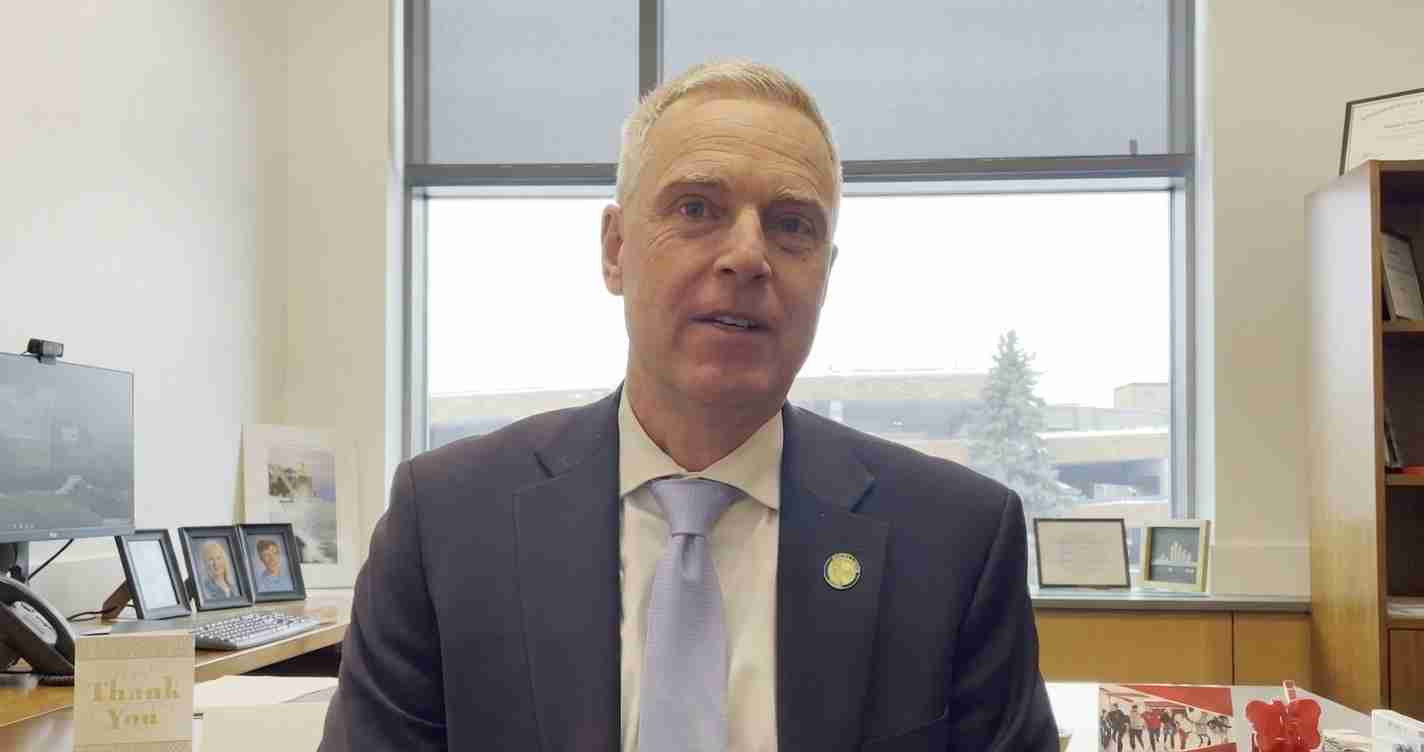
98 Minnesota mayors warn state fiscal policies are squeezing cities, driving property tax hikes
Ninety-eight Minnesota mayors warned state leaders that alleged fraud, unchecked spending and unfunded mandates are squeezing city budgets, driving a preliminary $950 million statewide property tax increase next year and forcing cuts, hiring freezes and deferred projects.
- Collective alarm: 98 mayors signed a Dec. 22, 2025 letter urging lawmakers to address fiscal shifts that they say are forcing steep local choices.
- Tax impact: The mayors link state actions to a preliminary $950 million (6.9%) projected rise in property taxes statewide for next year.
- Oversight concerns: The letter cites “fraud, unchecked spending, and inconsistent fiscal management in St. Paul” as worsening municipal planning.
- Local consequences: Cities report hiring freezes, delayed maintenance, and one-time reserve transfers that reduce long-term resilience.
Key information
Ninety-eight Minnesota mayors signed a letter to state lawmakers and the governor saying state fiscal policies are forcing cities to make hard choices on spending and services. The letter cites fraud, unchecked spending and shifting costs from state to local governments as drivers behind a preliminary $950 million rise in property taxes statewide next year — a 6.9% increase from 2025 that mayors say will be passed on to residents and businesses. (Source: WDIO: 98 Minnesota mayors sign letter to Gov. Walz on state spending concerns)
The mayors also warned of broader fiscal trouble in St. Paul — pointing to a disappearing $18 billion surplus and a projected $2.9 billion to $3 billion deficit for the 2028–29 biennium — and described how those state-level pressures are creating workforce shortages, slowing business investment, raising operational and construction costs, and prompting some families to leave the state. (WDIO reporting and the letter to lawmakers)
What the mayors say — unfunded mandates and local pain
The letter outlines several specific stress points for city leaders. It says unfunded mandates in areas such as education, health and human services, and public safety have shifted costs onto city budgets. When the state expands programs or changes policy without providing stable funding, city officials wrote, municipalities must choose between raising property taxes, cutting services, delaying infrastructure work or stretching staff beyond capacity. (Source: WDIO: 98 Minnesota mayors sign letter to Gov. Walz on state spending concerns)
Mayors described a “growing disconnect” between state decisions and the on-the-ground capacity of cities to deliver services. They warned that the strain is not theoretical: local governments are already facing hiring and retention challenges, and planned public works projects are at risk when budgets tighten. (See response and related reporting from the Minnesota Senate Republicans.)
The fraud and fiscal oversight concerns
The letter calls out “fraud, unchecked spending, and inconsistent fiscal management in St. Paul” as aggravating factors that have undercut local planning and financial stability. That language reflects growing public scrutiny of state-level fiscal practices and calls for greater transparency and oversight.
“Any confirmed misuse of funds would deepen public distrust and further complicate budget planning for municipalities that rely on state transfers and shared revenue streams.”
Local reporting and political commentary have amplified those concerns. Public figures such as State Senator Michael Kreun, Townhall columnist Dustin Grage and former federal prosecutor Joe Teirab have discussed evolving allegations and the need to examine how state funds were handled — raising legal and governance questions that city leaders say affect municipal budgets indirectly.
State response and political pushback
Governor Tim Walz’s office pushed back against the mayors’ claims, saying the administration has delivered “more funding than any administration in history directly to local governments”, including targeted money for police and fire departments, record infrastructure budgets, lead service-line removal funding, increased flexible local government aid and direct property tax relief measures. The governor’s office contends those investments show a commitment to local needs even as the state navigates budget pressures. (Source: KAAL: 98 Minnesota mayors sign letter expressing concern with state’s economic direction)
Republican lawmakers echoed some mayors’ concerns. State Senator Lang said counties had warned last session about proposals that would shift costs to local governments and called for cutting state spending, stopping fraud and removing unnecessary mandates. The political back-and-forth underscores a deeper debate over where responsibility for public programs should sit — with the state or with cities and counties. (Source: Minnesota Senate Republicans response (Sen. Lang))
Economic data and business community concerns
The mayors cite a Minnesota Chamber of Commerce report showing the state slipping in national competitiveness rankings over the past six years, calling it a “wake-up call” for state leaders and signaling concern that continued fiscal instability could deter business investment. Local leaders warn that higher property taxes and rising operational costs can make cities less attractive to employers, slow new construction and increase costs for consumers. (See reporting summarizing Chamber findings: WDIO coverage.)
How cities are coping today
According to mayors’ testimonies and local reporting, cities are already responding with short-term measures: hiring freezes, delayed maintenance, shifting staff from long-term projects to immediate service needs, and one-time transfers from reserve funds. Those actions can keep services running temporarily but reduce long-term resilience and increase the risk of larger problems later, such as deteriorating infrastructure or weaker emergency response capacity. (Source: WDIO)
Voices on the fraud scandal and oversight
While the mayors focused on fiscal pressure, the topic of alleged fraud and how the state handled funds has become part of the public debate. Commentators and legal analysts have stressed the need for thorough investigations and clearer fiscal controls. State Senator Michael Kreun, columnist Dustin Grage and former federal prosecutor Joe Teirab have all discussed the evolving situation in public forums, noting that any confirmed misuse of funds would deepen public distrust and further complicate budget planning for municipalities that rely on shared revenue streams.
Implications for Fresno, California
Economic impact: Fresno leaders should watch Minnesota as a cautionary example of how state-level fiscal choices can quickly ripple into city budgets. If a state government shifts costs to localities or faces sudden fiscal shortfalls, cities may see higher property tax pressure, delayed capital projects and reduced services. Fresno — with its stretched general fund, infrastructure needs and large low-income population — could face similar stress if California or local pressures force service cuts or tax shifts.
Political consequences: The Minnesota letter shows how mayors can coalesce politically to pressure state leadership. Fresno elected officials and regional coalitions might use similar tactics to push Sacramento for predictable funding and to push back on unfunded mandates. The episode also signals potential partisan rhetoric that can drive demands for transparency.
Social effects: Mayors warned of workforce shortages and families leaving the state. Fresno already contends with out-migration and labor challenges in health care, public safety and public works. If state or local policies increase housing or tax burdens, lower-income families could be forced to move, worsening workforce shortages and stretching social services.
Cultural relevance & practical applications: Stories of alleged fraud or poor fiscal management at the state level can erode trust, making it harder for local leaders to win public support for measures such as modest tax adjustments or bond measures. City managers in Fresno can take steps now: review reserve policies, accelerate efficiency audits, prioritize maintenance, strengthen communication with state legislators and explore regional partnerships to share services and reduce costs.
Where to find the reporting and primary sources
- WDIO: 98 Minnesota mayors sign letter to Gov. Walz on state spending concerns
- KAAL: 98 Minnesota mayors sign letter expressing concern with state’s economic direction
- Minnesota Senate Republicans response (Sen. Lang)
Reporting continues as state officials and legislative leaders respond to the mayors’ letter and as public discussions about oversight and budget strategy unfold. The Minnesota case offers a real-time example of how state fiscal policy, alleged misuse of funds and political choices can affect city budgets — a lesson with practical meaning for city leaders, taxpayers and policymakers in Fresno and across the country.


