NFL Fans Threaten Bad Bunny Super Bowl Boycott as Debate Over Culture, Politics and Misinformation Explodes
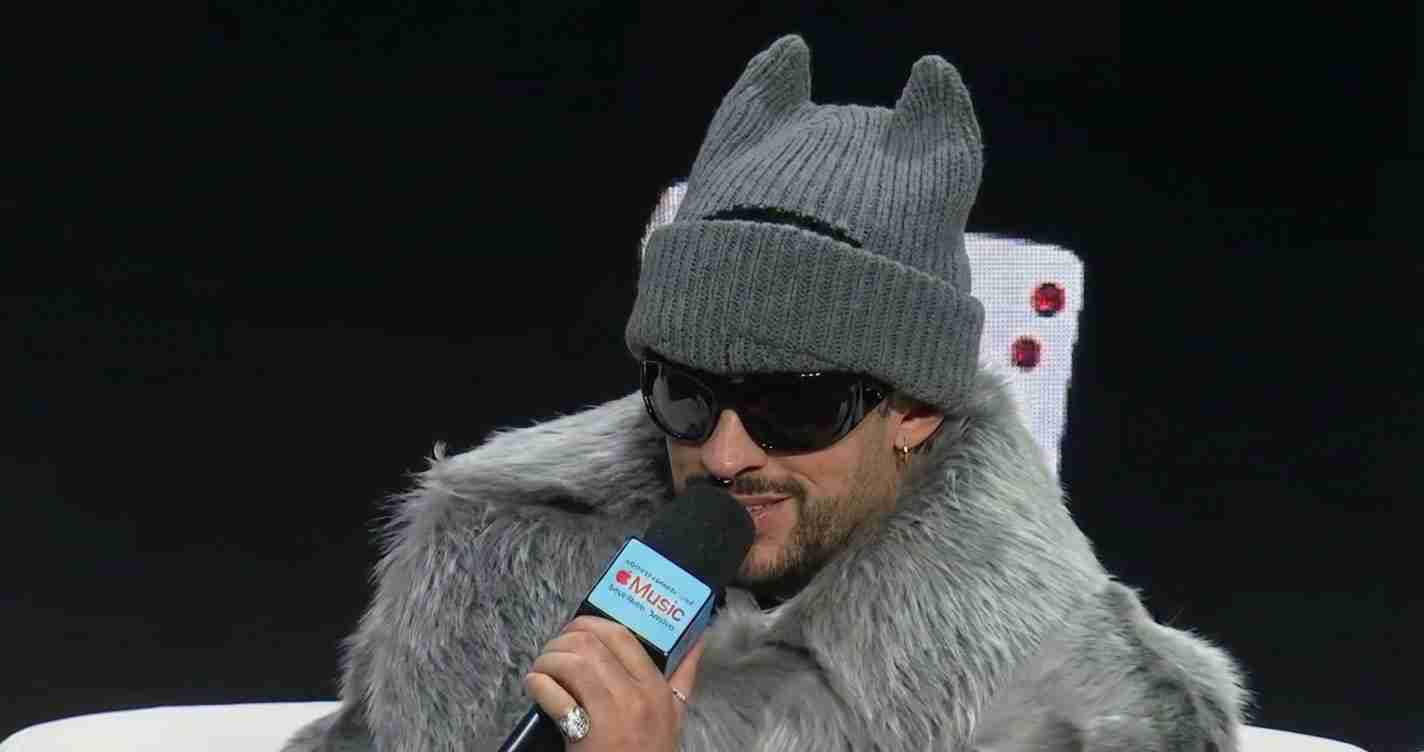
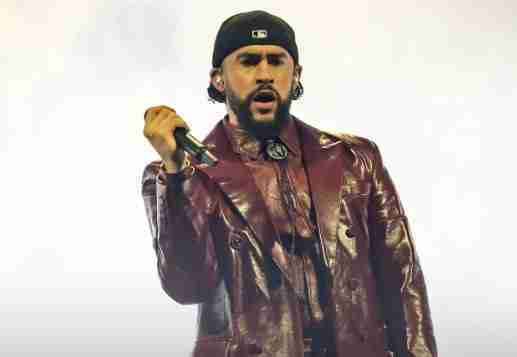
Bad Bunny’s announcement as the Super Bowl 2026 halftime headliner sparked calls for a boycott among a vocal segment of NFL fans, igniting debates over culture, politics, and misinformation that spread widely across social media.
Key takeaways
- Announcement: Bad Bunny will headline the Super Bowl 2026 halftime show.
- Reaction: A vocal segment of NFL fans has threatened a boycott using hashtags such as #Boycotting Bad Bunny and coordinated calls to skip the game (coverage from Times of India and GiveMeSport).
- Misinformation: Viral claims that coaches or owners (notably Dan Campbell and Jerry Jones) publicly opposed the pick have been debunked (see Hindustan Times fact check).
Controversy, reactions and local implications
What fans are saying and why
The backlash spans multiple motivations. Some fans argue the halftime choice doesn’t fit their idea of a national, apolitical celebration; others object to Bad Bunny’s past activism and public criticism of immigration enforcement. Social posts using the phrase “Boycotting Bad Bunny” became a prominent theme online (Times of India).
Cultural discomfort also fuels criticism: Bad Bunny performs primarily in Spanish and blends reggaeton, Latin trap and pop. Calls for subtitles for a Spanish-language set were floated by some critics — a suggestion many observers say reveals resistance to cultural change rather than a practical viewing concern. Supporters counter that the selection is historic: Bad Bunny would be the first solo Latin artist to headline the Super Bowl, a milestone for representation.
Where politics, culture and racism overlap
Reporting highlights that online anger often contains xenophobic or racist language directed at Bad Bunny’s heritage and the Spanish-language nature of his music. That has shifted the conversation from musical taste to broader questions of identity and belonging. For many Latino and Hispanic fans, the pick signals mainstream recognition; for some conservative critics, it has become a flashpoint about national symbols and cultural change.
Trending hashtag: “Boycotting Bad Bunny” surfaced as both a political protest and a cultural backlash, illustrating how entertainment decisions can become proxies for larger social debates.
Misinformation and false claims about team reactions
False social posts attributed public opposition to team figures such as Lions coach Dan Campbell and Cowboys owner Jerry Jones. Fact-checkers found no evidence these figures issued statements denouncing or threatening boycotts; those viral attributions have been debunked (see the Hindustan Times fact check).
Readers should be skeptical of screenshots and viral claims: verify quotes against verified team or league accounts and trusted wire reporting before accepting explosive assertions.
Media coverage and online engagement
National and sports media outlets amplified the debate, running polls and panel discussions about the NFL’s choice. Coverage included interactive segments and commentary that broadened the discussion beyond fandom to include cultural representation and political context (The National Desk and related video coverage on YouTube). Sports outlets tracked boycott calls and examined the political and cultural motives driving them (GiveMeSport).
Supporters and the case for inclusion
Many fans, artists and media voices celebrate the choice as a major step for Latinx representation on a massive U.S. broadcast. For bilingual and Spanish-speaking audiences, the halftime slot offers visibility and cultural recognition. Proponents emphasize that expanding the league’s cultural reach can attract younger and more diverse audiences — an argument echoed alongside celebratory coverage in international outlets (Times of India).
Fact-checks and how to read social claims
Investigative reporting demonstrates a common digital-era pattern: social media facilitates both rapid outrage and the fabrication of authority by inventing statements attributed to public figures. Published fact-checks show high-profile claims about team protests were false. Recommendation: look for direct quotes from verified accounts and corroboration from established news wires before accepting viral claims (see the Hindustan Times).
Implications for Fresno, California
Fresno sits at the intersection of the debate: roughly half the city’s residents identify as Hispanic or Latino, and local culture is bilingual and community-centered. The announcement and boycott talk have local cultural, economic, and civic consequences.
- Cultural resonance: For many Fresno residents, Bad Bunny’s selection represents recognition of lived experience; Spanish-language radio, cultural organizations and community leaders may view the halftime slot as an affirmation of local identity.
- Economic impacts: If a sustained boycott reduces viewership, bars, restaurants and hotels that host Super Bowl watch parties could see lower turnout; conversely, heightened interest in Bad Bunny may attract new patrons seeking Spanish-language entertainment.
- Media and programming choices: Fresno broadcasters will decide how to present the halftime show — Spanish-language outlets plan close coverage while English-language stations may add bilingual context.
- Political and social tensions: Local leaders may face pressure to respond; community groups could use the moment to counter xenophobic rhetoric and encourage respectful dialogue.
- Practical effects: Shifts in attendance patterns can affect staffing, inventory and event planning for retailers and hospitality workers in the region.
Reporting methodology and sources
This article synthesizes reporting and fact-checking from multiple outlets. Key reporting on the social media trend and backlash comes from Times of India and GiveMeSport. False claims about coaches and owners were examined and debunked by the Hindustan Times. Broader media reaction and viewer polling were noted from The National Desk and related video coverage on YouTube.
Next steps for readers in Fresno
Local readers should monitor broadcast schedules and community calendars for Super Bowl events. Business owners planning watch parties should track reservation trends and adjust staffing and inventory. Community organizations and schools may host discussions exploring how sport, music and identity intersect in Fresno’s diverse civic life.
For more context and the original reporting: see coverage by Times of India, GiveMeSport, and the Hindustan Times fact check.