Chevron warns California fuel crisis could follow refinery exit as eco-policies and Iran war strain supplies
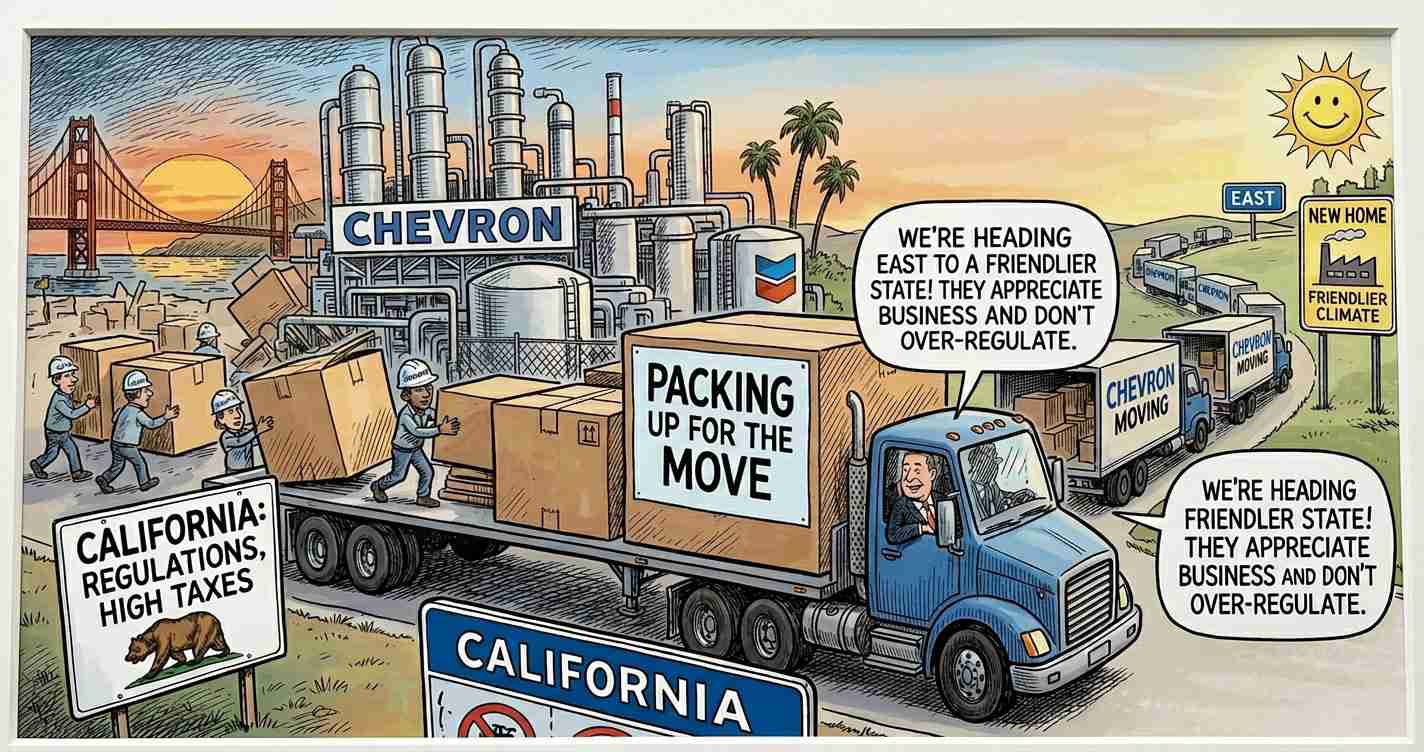
Chevron’s refining president warns California could face severe gasoline shortfalls and higher prices if tighter state policies and global disruptions tied to the Iran war persist, and that Chevron may exit California refining within a decade.
Key takeaways
- Chevron warns state rules, taxes and global shocks could force it to exit California refining within 10 years — risking major supply cuts. See Energy News Beat and BIC Magazine.
- Concentrated capacity: two Chevron refineries account for roughly 34% of California’s refining capacity — a shutdown would sharply reduce local supply (MarketScreener).
- Import exposure: California relies heavily on foreign crude and refined imports, leaving it vulnerable if Asian exports fall (Energy News Beat).
What Chevron told state leaders
Andy Walz, Chevron’s refining president, told state officials and the public his “worst fear” is a supply disruption leaving California short on gasoline, diesel and jet fuel. He cited two principal pressures:
1. Global supply disruptions
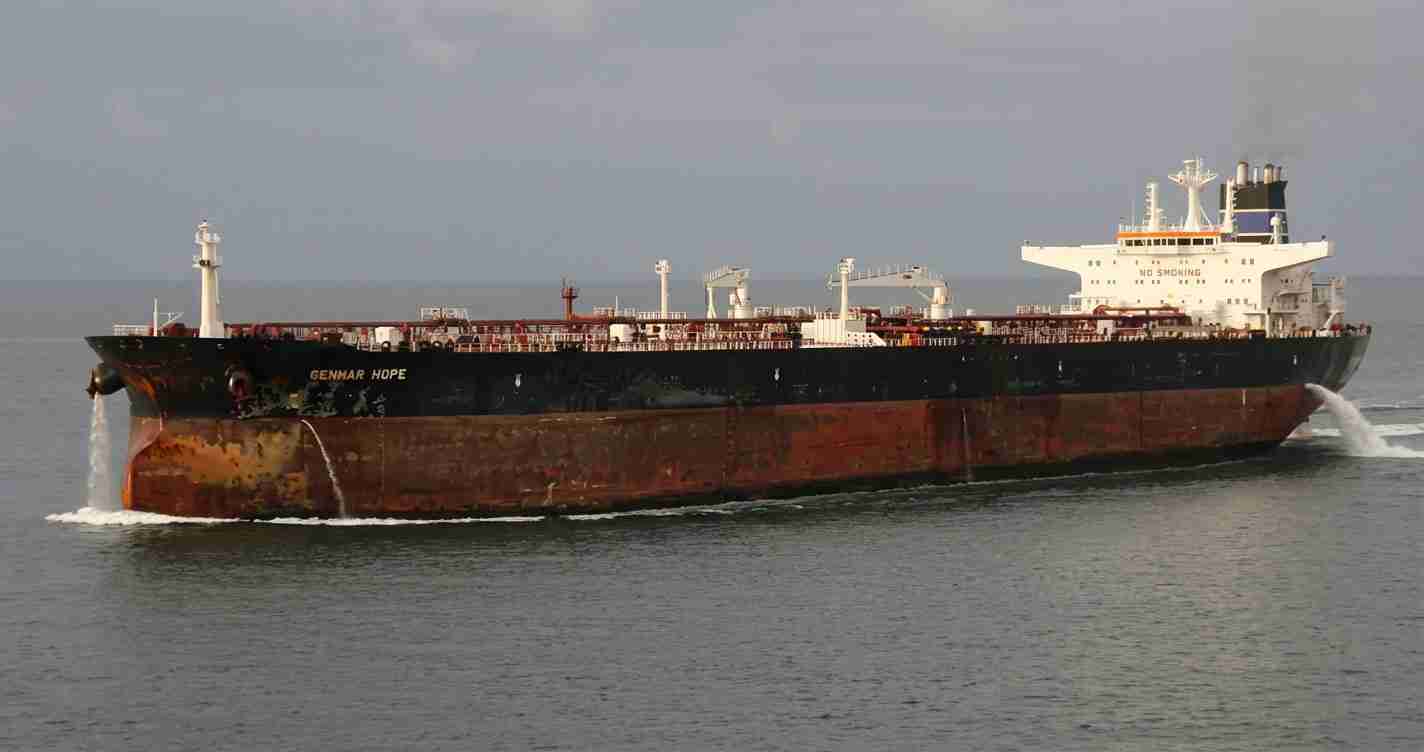
Walz pointed to the Iran war and risks around the Strait of Hormuz as having removed millions of barrels a day from world markets. Asian refining centers that normally ship product to California — including refineries in China, South Korea, Singapore and India — have cut runs or restricted exports, industry reports say, which would directly affect California supply lines (Energy News Beat; BIC Magazine).
2. State regulatory and tax pressures
In a letter to Gov. Gavin Newsom, Chevron criticized recent changes to climate programs and refinery taxes — including shifts in the Cap-and-Invest program and emissions rules — arguing these raise operating costs, depress investment incentives and undercut the national-security benefits of local refining (Energy News Beat; MarketScreener).
“Adversarial policies at local, regional and state levels have eroded that foundation,” Chevron wrote, warning proposed regulatory changes “threaten to destroy it.” (Energy News Beat; MarketScreener)
Data and state vulnerabilities
- Concentrated capacity: California’s remaining refineries are fewer and larger; reports cite the California Energy Commission data saying two Chevron refineries represent about 34% of the state’s refining capacity (MarketScreener).
- “Energy island” status: limited pipeline links to other U.S. refining regions make local outages more damaging; imports can help but are constrained by logistics (Energy News Beat).
- Heavy import dependence: reporting and advocacy groups note foreign crude and refined products make up a large share of California’s supply — some estimates put foreign crude imports near 70% of certain flows — increasing exposure to global events (Energy News Beat; BIC Magazine).
Chevron’s argument on costs and closures
Chevron framed the issue as economic and strategic: tighter emissions caps, higher compliance costs from climate programs like Cap-and-Invest, and local taxes make California refining less competitive. The company argues these policies erode the economic and national-security benefits historically provided by local refining (Energy News Beat; MarketScreener).
Industry and analyst reactions
Analysts say the Iran war–related shock could remove roughly 2.8 million barrels per day from global refining runs — about 3–4% of worldwide capacity — with ripple effects for gasoline, diesel and jet fuel. Some call for federal intervention to treat refinery closures and regional fuel supply as national-security matters and to consider temporary pauses on certain state-level rules during acute crises (Energy News Beat).
Other experts urge caution: the state’s clean-fuel standards aim to reduce pollution and long-term fossil-fuel reliance, and short-term supply risks are distinct from long-term climate policy goals.
What the reporting shows — and what it does not
Industry articles consolidate Chevron viewpoints and cite California Energy Commission figures, but the full Chevron letter and some underlying CEC reports were not publicly linked in the coverage reviewed. The accounts rely on energy-focused outlets and financial summaries (Energy News Beat; BIC Magazine; MarketScreener).
Implications for Fresno, California
Economic impact
Fresno residents and businesses could face higher prices and tighter availability if state supplies tighten. Agriculture, trucking and food distribution depend on gasoline and diesel; a significant drop in refinery output or the loss of a major supplier could raise transportation costs and pump prices.
Local jobs and supply chains
Refining and petroleum support services create jobs beyond refinery gates. A Chevron exit or capacity cut would affect refinery workers and contractors, squeezing margins for small farms, trucking firms and processors who move produce to markets.
Public services and emergency planning
Higher fuel prices or shortages can strain transit, school buses and emergency services. Fresno emergency planners and transit agencies may need contingency plans — fuel conservation, prioritized allocations for first responders, or mutual aid agreements — if supplies tighten.
Rural and low-income communities
Rural towns and low-income households in Fresno County spend a larger share of income on transportation. A fuel crisis could deepen cost burdens and affect access to jobs, medical care and schools, prompting pressure for targeted relief or state coordination.
Infrastructure and adaptation choices
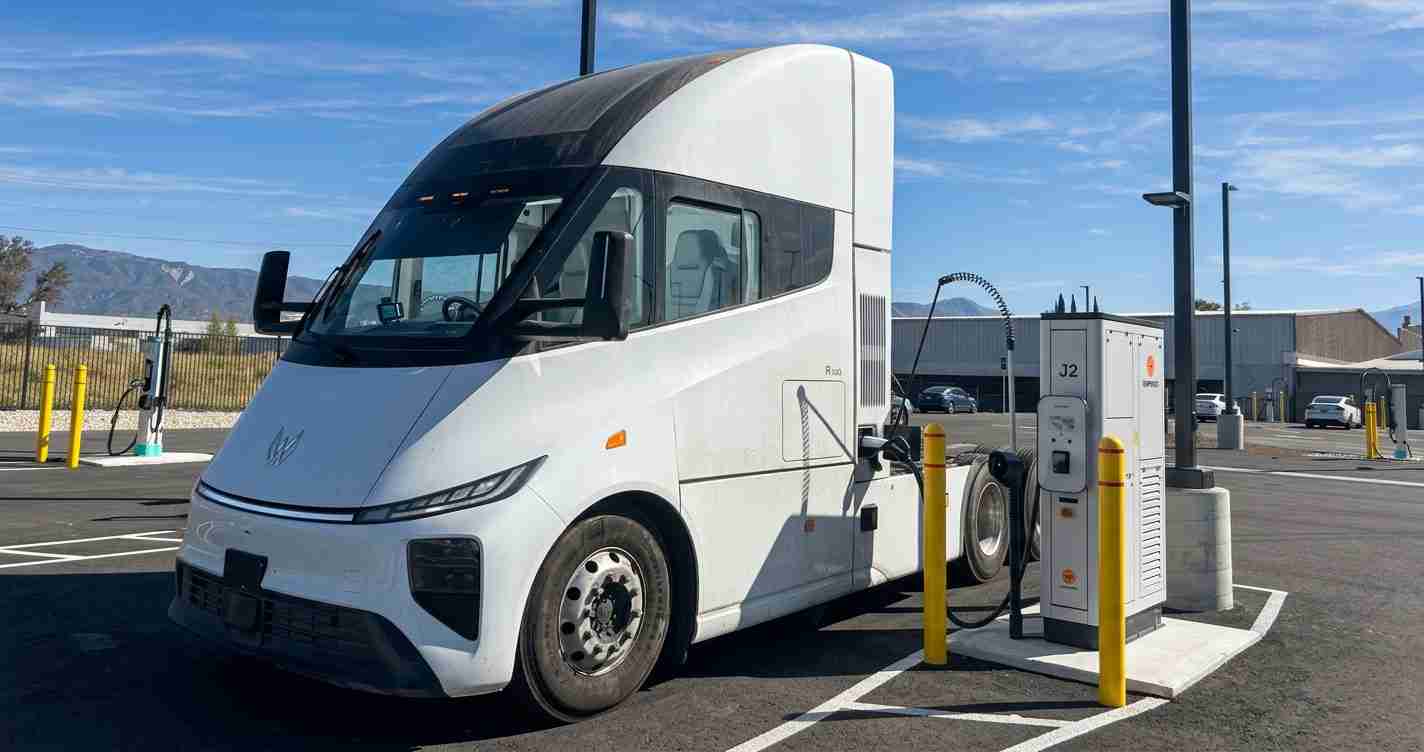
Local resilience steps include expanding municipal fuel storage, encouraging fuel-efficient trucking, investing in electrified transit and charging infrastructure, and supporting local food hubs to shorten supply routes. Over time, EV adoption in fleets and reduced gasoline dependence would lower exposure.
Local policy and political balance
For many Fresno voters this is a trade-off: environmental benefits vs. short-term market and supply risks. Local officials could press the state for phased deadlines, financial incentives for refining investment, or targeted relief for critical fuels during global disruptions.
Sources and further reading
- Energy News Beat: Chevron warns California risks fuel crisis unless Iran war eases
- BIC Magazine: Chevron threatening to leave California
- MarketScreener: Chevron warns of California fuel crisis, threatens refining exit
Parent publication: Times Media Service