
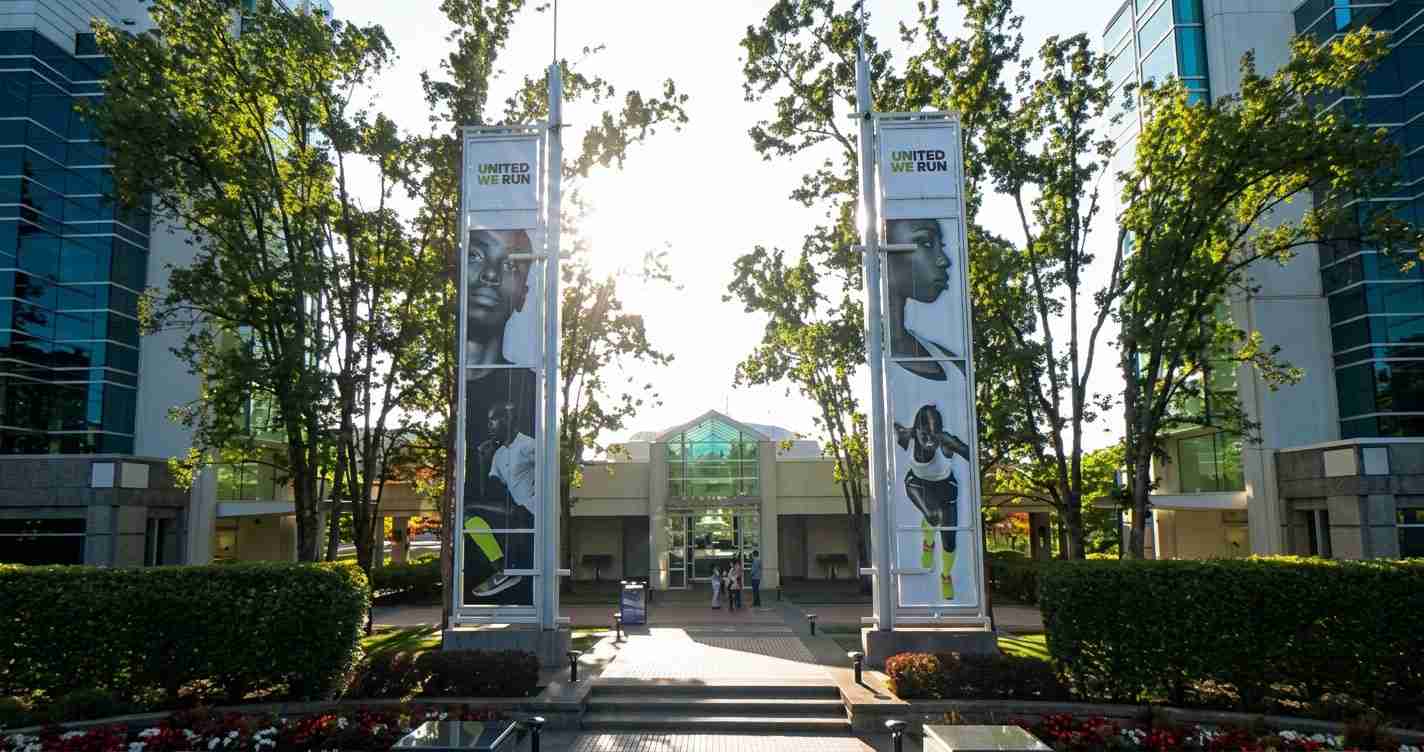
Nike hit with class action in Portland, accused of keeping tariff refunds instead of returning savings to consumers
LEDE: Nike is facing a proposed class action in federal court in Portland alleging it kept tariff refunds after raising consumer prices to cover roughly $1 billion in disputed tariffs, potentially resulting in a “double recovery” at shoppers’ expense.
Key takeaways
- Plaintiffs: Say Nike raised prices by about $5–$10 on some footwear and $2–$10 on apparel to offset tariffs and now seeks refunds from the government without returning overcharges to consumers.
- Legal theory: Complaint alleges Nike would obtain a “double recovery” — once from consumers via higher prices and again from government tariff refunds — and asks courts to block that result.
- Broad context: The suit follows a Supreme Court ruling that the presidential tariff action exceeded authority under the IEEPA and is part of a wave of claims by more than 2,000 companies.
- Local impact: Fresno consumers and retailers could be affected if refunds or credits are ordered; shoppers should keep receipts and watch for class notices.
Key information
Plaintiffs filed a proposed class action in U.S. District Court in Portland, Oregon, alleging Nike raised prices during the tariff period and may receive government refunds without returning those overcharges to shoppers. Reporting and complaint coverage appear in Fox Business, the Dealroom news feed, and Business Today.
The complaint alleges Nike paid about $1 billion in tariffs on imported goods tied to presidential actions later held beyond authority under the International Emergency Economic Powers Act (IEEPA). Plaintiffs identify specific price adjustments — roughly $5–$10 on some footwear and $2–$10 on some apparel — as examples of tariff pass‑throughs to consumers.
What the complaint says
The proposed class action contends Nike raised consumer prices to cover tariffs that the company later claimed and may recover from the federal government. Plaintiffs allege Nike has made “no legally binding commitment to return tariff-related overcharges to the consumers who actually paid them,” and that if refunds from the government are retained without consumer relief, Nike would realize a double recovery.
“Nike stands to recover the same tariff payments twice,” the complaint says, and plaintiffs ask the court to require remedies that would make consumers whole.
The filing seeks class certification to represent purchasers of affected Nike products during the tariff period and requests injunctive relief to prevent Nike from keeping any refund windfalls traceable to consumer overcharges.
Nike’s position and related corporate context
Nike has acknowledged paying roughly $1 billion in tariffs tied to the presidential action later struck down by the Supreme Court. According to the complaint, the company has not made a legally binding promise to return tariff-related overcharges to consumers.
On a March conference call, Nike said its fiscal quarter ending in August 2026 would likely be the final period in which tariffs materially affect gross margins — a disclosure indicating the company expects the tariff issue to stop meaningfully affecting reported results.
Separately, Nike recently announced planned layoffs of about 1,400 employees, primarily in its technology arm. Reporting tied those workforce reductions to broader cost-management measures; the tariff lawsuit and the layoffs are distinct developments but both reflect corporate responses to margin pressures.
Broader legal and market context
The Portland suit is one of several filed after the Supreme Court’s February 2026 ruling that the president exceeded IEEPA authority in imposing certain tariffs. That decision spurred more than 2,000 companies to lodge claims in the U.S. Court of International Trade seeking tariff recoveries.
Some retailers and manufacturers that raised prices during the tariff period have been named in consumer lawsuits alleging they failed to pass refunds back to customers; similar class actions have targeted large chains such as Costco. Legal outcomes will hinge on evidence tying specific price increases to tariff costs and whether courts find an obligation to return amounts consumers paid.
What this could mean financially
If courts require restitution, affected companies could face material refund obligations. Plaintiffs point to the $1 billion in tariffs Nike paid and to alleged price hikes across product lines as the basis for consumer claims; relief could include refunds, credits, or other restitution to class members.
Companies counter that price changes reflect multiple cost and market factors, and not every increase can be traced to tariffs. Proving a direct pass-through for each item will be a central legal and economic question in the litigation.
Implications for Fresno, California
Economic impact:
- Local consumers who purchased Nike goods during the tariff period could be eligible for refunds or credits if the court orders restitution.
- Area retailers and shoe stores may face increased inquiries and administrative tasks related to claims or credits.
- Small business buyers, school teams, and community programs that purchased Nike items could see relief if refunds are distributed at wholesale or through retailer channels.
Political and social effects:
- The lawsuit may heighten scrutiny by consumer advocates and local officials on corporate pass-throughs of federal costs.
- Community trust in brands and local market dynamics could be affected depending on whether consumers are made whole.
Practical advice for residents: Keep receipts and purchase records; monitor mail and email for class notices if certification occurs; and check with local retailers about any policies on returns, credits or price adjustments related to tariffs.
Next steps in the case
The Portland federal court will review the complaint and any responsive motions from Nike, including anticipated challenges to class certification and the legal theory. Courts will examine evidence about which price increases were attributable to tariffs and whether restitution or injunctive relief is appropriate. Media and legal updates will track filings, company statements and any settlement talks that could affect consumers and retailers.
Sources and further reading
Coverage and sources cited throughout this article include reporting by Fox Business, the Dealroom news feed, and Business Today.



